Harcha Moroccan Semolina Flatbread Made Easy
How to make it at home: the right semolina, the butter and milk ratio, resting, shaping and cooking on a skillet, plus fixes, variations, serving ideas and storage.
Harcha is a round Moroccan flatbread made from fine semolina, butter, milk and baking powder, cooked slowly on a griddle until golden outside and soft and crumbly inside. Rub the butter into the semolina, add milk until the dough holds together, rest it for 15 minutes, then shape ½-inch disks, coat them in semolina and cook over medium-low heat for 5 to 7 minutes per side. Serve warm with honey, butter, jam or cheese and a glass of mint tea.
Your Complete Harcha Guide
If you have ever had breakfast in a Moroccan home, you have probably met harcha. It is the golden, sandy-edged bread that sits next to the honey pot and the teapot, broken open while still warm. Some people call it the Moroccan English muffin, others compare it to cornbread, but it is really its own thing.
The best part is how easy it is. There is no yeast, no kneading and no stretching. This guide walks you through a reliable home recipe, why each ingredient matters, how to fix crumbly or greasy results, and the honey, jams and teas from our tea time collection that make it a real Moroccan breakfast.
Harcha at a Glance
What Is Harcha and Where Does It Come From?
Harcha is a pan-cooked semolina bread from Morocco. The Harcha entry on Wikipedia traces it to the Middle Atlas region, and it is also made in Algeria, where some families know similar breads by other local names.
The name is usually linked to the Arabic word for rough, a nod to its sandy, slightly coarse surface. It is sometimes called a galette in French, because it sits halfway between a bread and a tender cake.
When it is eaten
Harcha is a breakfast staple, sold by street vendors and bakeries across Moroccan cities, and served again with afternoon tea. It is also a favorite on the table during Ramadan, when families break the fast with dates, soup and a basket of breads.
A mountain bread
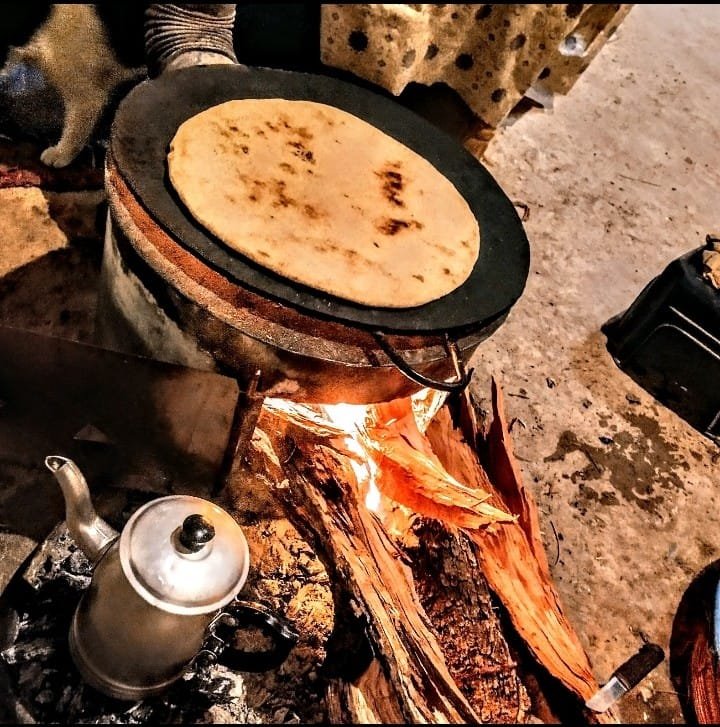
In the villages of the Middle Atlas, wheat, butter and milk were everyday staples, and breads cooked on a clay or metal griddle over a wood fire were part of daily life. A quick semolina round that needed no oven and no rising time fit that kitchen perfectly, and it traveled to the cities with families who moved there.
Small or large
Home cooks make small rounds the size of an English muffin, while bakeries often cook one large disk and cut it into wedges. In the Rif, buttermilk or thinned yogurt may replace the milk.
Harcha Ingredients and Why They Matter
You need only six pantry ingredients. Each one plays a clear role in the final texture.
Fine semolina
Fine durum wheat semolina is the heart of the recipe. It gives the bread its golden color, nutty taste and tender crumb. Coarse semolina is used only for coating. Our store does not sell semolina, so look for “fine semolina” in Middle Eastern, Italian or Indian grocery stores, or the baking aisle of large supermarkets.
Butter
Melted or very soft butter coats the grains so the bread stays crumbly rather than chewy. Some cooks use part neutral oil, and in Morocco smen, an aged butter, is a traditional option.
Milk
Whole milk binds the dough and adds richness. Buttermilk or yogurt thinned with water gives a slightly tangy version.
Baking powder, sugar and salt
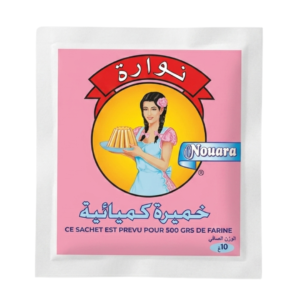
Baking powder gives lift without yeast. A sachet of Nouara baking powder is sized for about 500 g of flour, which is just right for one batch. A spoonful of sugar helps browning, and salt balances the honey you will add at the table.

How to Make Harcha Step by Step
This recipe makes about 10 rounds of 3 inches. Plan 10 minutes of mixing, 15 minutes of resting and about 20 minutes at the stove, cooking in two batches.
Dough
- 2 cups (330 g) fine semolina
- 1 to 2 tablespoons sugar
- 2 teaspoons baking powder
- ½ teaspoon salt
- ½ cup (115 g) unsalted butter, melted and slightly cooled
- About ½ to ⅔ cup (120 to 160 ml) whole milk, at room temperature
For coating and cooking
- 3 tablespoons coarse or fine semolina
- A little butter or oil for the pan (optional)
You will need
- A heavy skillet, cast-iron pan or flat griddle
- A large mixing bowl
- A 3-inch round cutter or a glass (optional)
Method
- Mix the dry ingredients. In a large bowl, combine the semolina, sugar, baking powder and salt.
- Rub in the butter. Pour in the melted butter and rub the mixture between your palms for 1 to 2 minutes until every grain is coated and it looks like damp sand.
- Add the milk. Add the milk a little at a time, mixing with your hand, until the dough just holds together when squeezed. It should feel soft and wet, not dry and not sticky.
- Rest. Cover the bowl and leave it for 15 to 20 minutes. The semolina absorbs the liquid and the dough becomes easier to shape.
- Shape and coat. Divide into 10 balls, press each one into a disk about ½ inch thick and dip both sides in semolina. Patch any cracks on the edges with your fingers.
- Cook low and slow. Heat the skillet over medium-low heat. Cook the rounds for 5 to 7 minutes per side, until deep golden and firm when pressed at the edge.
- Rest and serve. Let the bread cool for 3 to 5 minutes on a rack so the center sets, then split and serve warm.
Mixing by feel
Semolina brands absorb liquid differently, so treat the milk as a range. After resting, the dough should feel like soft, moist sand that you can press into a disk without big cracks. If it crumbles apart, add a tablespoon of milk. If it sticks to your hands, add a spoonful of semolina.
Warm honey butter
While the last batch cooks, melt 3 tablespoons of butter with 4 tablespoons of honey in a small pan over low heat, stirring until smooth. Take it off the heat and add a few drops of flower water if you like. Spoon it over the split rounds or serve it in a small bowl for dipping.
One large round
For a bakery-style loaf, press all the dough into a 9-inch round about ¾ inch thick. Cook it in a covered skillet over low heat for 10 to 12 minutes per side, flipping it with the help of a plate, then cut into wedges.

8 Fixes for Better Harcha
Most problems come down to the amount of liquid, the type of semolina or the heat of the pan. These quick fixes cover the common ones.
Falls apart when shaping
The dough needs more liquid or more rest. Add milk a tablespoon at a time and let it sit 5 more minutes.
Sticky and hard to handle
Too much milk. Work in a spoonful of semolina and wet your hands lightly rather than adding lots of flour.
Burnt outside, raw inside
The pan is too hot. Lower the heat and cover the pan for a few minutes on each side.
Pale and soft
The pan is too cool or the rounds were flipped too early. Wait for a golden crust before turning.
Dense and heavy
Check that your baking powder is fresh and that you used fine semolina, not coarse, in the dough.
Too greasy
Use a dry pan. The butter in the dough is enough to brown the crust.
Dry and sandy
Add a little more butter or milk next time, and do not overcook. The edges should be firm, not hard.
Cracked edges
Press each disk between your palms and smooth the rim with a fingertip before coating. Small cracks are part of the charm.
Sweet and Savory Harcha Variations
Once you are happy with the plain version, try these twists. They all use the same basic dough.
Herb and olive
Leave out the sugar, add a teaspoon of salt, 3 tablespoons of za’atar or dried thyme and 2 tablespoons of chopped black olives.
Cheese-filled
Press a cube of soft cheese into the center of each ball before flattening. It melts as the bread cooks.
Buttermilk version
Swap the milk for buttermilk or yogurt thinned with water, as cooks in northern Morocco do. The crumb is softer and slightly tart.
Anise and sesame
Add a teaspoon of ground anise and a tablespoon of toasted sesame seeds to the dry mix for a cookie-like aroma.
Bite-size rounds
Cut 1½-inch disks for a party platter. Cook for 3 to 4 minutes per side and serve with dips of honey and jam.
Oven-baked
Bake the coated rounds on a parchment-lined tray at 375°F (190°C) for about 15 to 20 minutes, turning once, until golden.
Harcha in Algeria
Algerian families make similar semolina griddle breads and cakes for breakfast and coffee time. Terms vary by region, and some names overlap with sweet semolina cakes, so do not be surprised if a recipe from Algiers looks slightly different from one from Fez.
Not to be confused with
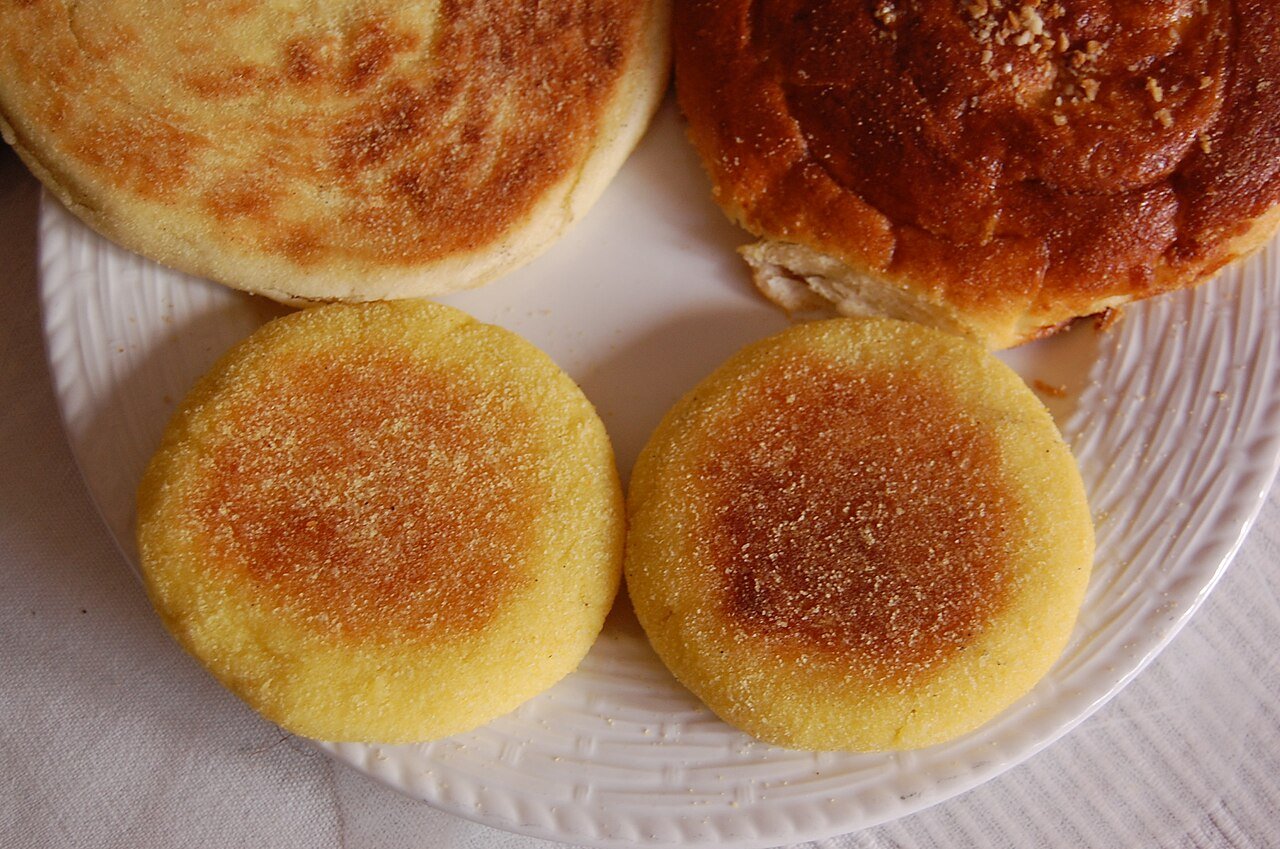
Moroccan harcha dyal ferran are small oven-baked semolina cookies, not griddle bread. And Algerian khobz el harcha is an older bakery loaf topped with semolina, a different product altogether.
For more pantry ideas from across the region, browse our Algerian products collection.
Harcha vs Msemen vs Baghrir vs Batbout
Moroccan breakfast tables often hold three or four breads at once. Here is how this semolina round compares with its neighbors.
| Bread | Made from | Leavening | Texture | Effort |
|---|---|---|---|---|
| Harcha | Fine semolina, butter, milk | Baking powder | Crumbly, cake-like, crisp crust | Easy, no kneading |
| Msemen | Flour plus semolina | None or a pinch of yeast | Flaky, layered | Medium, stretching and folding |
| Baghrir | Semolina and flour batter | Yeast and baking powder | Spongy, full of holes | Easy, but needs a good pan |
| Batbout | Flour, sometimes semolina | Yeast | Soft pita-like pocket | Medium, needs rising time |
The weekday bread
Because it needs no rising, this is the bread Moroccan families make when time is short. Mix, rest and cook in under an hour.
The iftar basket
During Ramadan, the rounds often share the table with dates, harira and sweets. Small rounds are easy to make ahead and reheat at sunset.
The tea-time treat
In the late afternoon, warm rounds are served with mint tea and spreads. They are sturdy enough to pack in a lunch box, too.
How to Serve Harcha
Split each round in half while it is warm, like an English muffin, and let the butter melt into the crumb.
Honey and butter
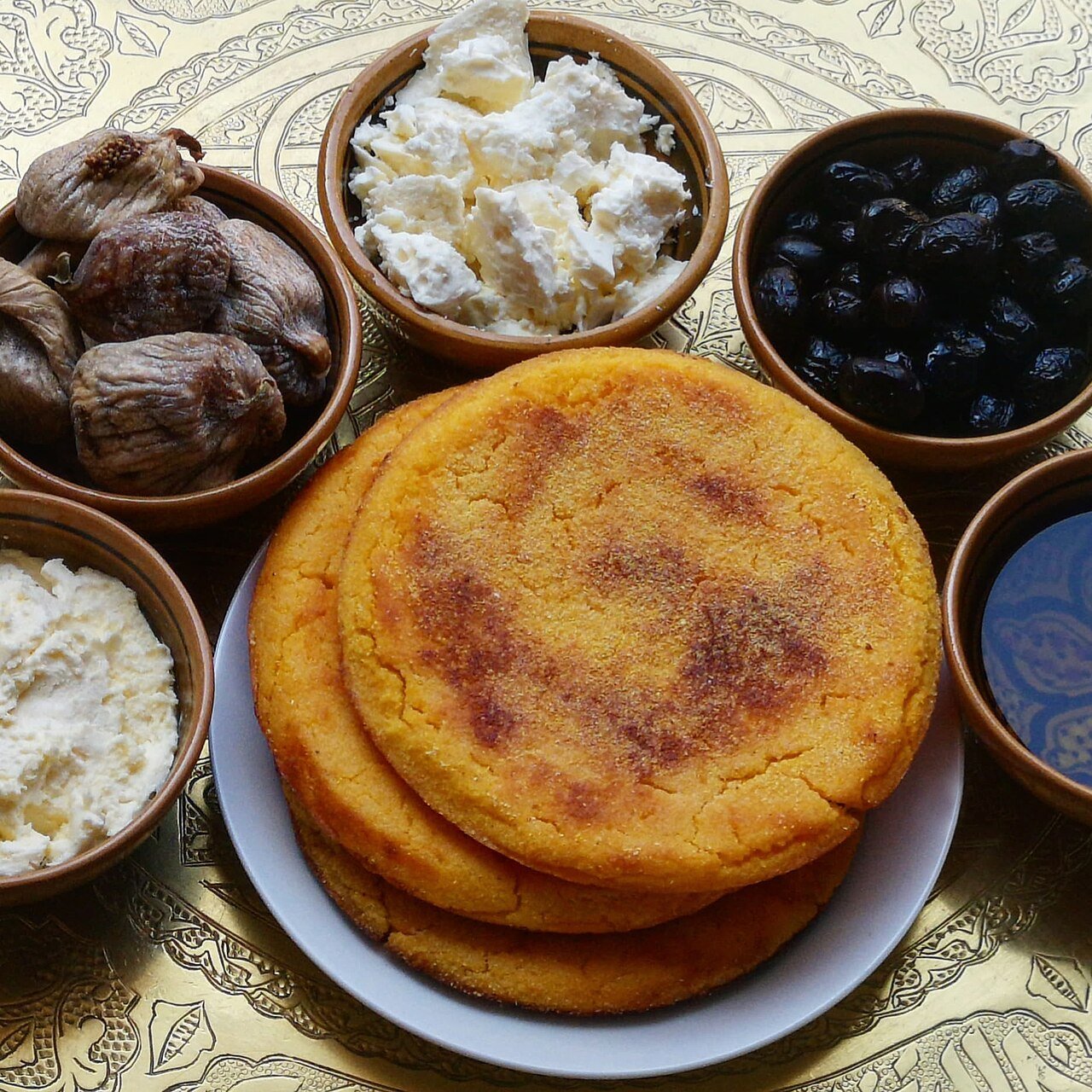
The classic way is a warm drizzle of honey melted with butter. A thick honey such as Tayeb eucalyptus honey works well. For a festive touch, add a few drops of Samra orange blossom water to the warm honey butter.
Jams and spreads
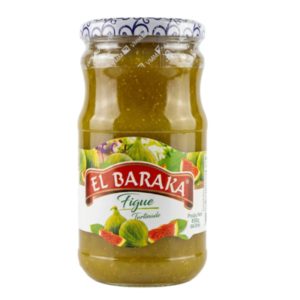
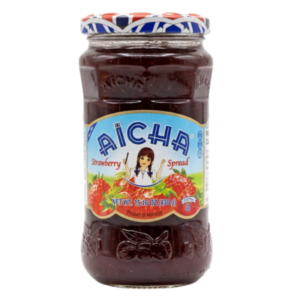
Fruit spreads are favorites with children. Try El Baraka fig jam, Aïcha strawberry spread or the bittersweet Aïcha orange marmalade.
Savory plates
Serve the rounds with soft white cheese, olives, eggs and a drizzle of Mina extra virgin olive oil. Wikipedia notes it can also be filled with cheese or meat confit, or crumbled as a base for stew.
For lunch boxes
Because the rounds are sturdy and do not go soggy quickly, they travel well. Split and fill them with cheese or jam in the morning, wrap them in foil and they will still be good at lunchtime.
The drink
Mint tea is the natural partner. Brew a pot with Sultan Grain Ambar green tea, fresh mint and sugar, or serve with coffee and hot milk.
Storing and Reheating Harcha
The bread tastes best on the day it is made, but it keeps well. Let the rounds cool completely before you wrap them, or steam will make the crust soft.
For longer storage, freeze the cooked rounds in a single layer, then move them to a freezer bag. The USDA explains in its freezing and food safety guide that food kept at 0°F stays safe, though quality slowly declines. For the best texture, eat frozen rounds within about 2 to 3 months.
| Storage | How long | How to reheat |
|---|---|---|
| Room temperature, wrapped | 1 to 2 days | Dry skillet, 2 minutes per side |
| Refrigerator | Up to 4 days | Skillet over low heat or toaster |
| Freezer, cooked | Best within 2 to 3 months | Thaw 20 minutes, then skillet or 350°F oven for 8 to 10 minutes |
| Raw shaped disks | Refrigerate overnight, covered | Cook straight from the fridge, a little longer |
For another take on the technique, the Milk Street story on this bread explains why the semolina is hydrated before the butter goes in, and how yogurt changes the crumb.
A make-ahead plan
For a relaxed weekend breakfast, mix and shape the dough the evening before, stack the coated disks between sheets of parchment and refrigerate them covered. In the morning, heat the pan while the kettle boils and cook them straight from the fridge, adding a minute or two per side.
Best Harcha Pantry Picks to Buy in the USA
Pick up semolina, butter and milk at your local store. These North African staples complete the dough and the breakfast table around it.



Planning a weekend brunch or stocking up for Ramadan? Check our shipping policy for delivery times to your state.
Harcha FAQs
What is harcha made of?
Harcha is made of fine semolina, butter, milk, baking powder, a little sugar and salt. The rounds are coated in more semolina before cooking for a crisp, sandy crust.
What does harcha taste like?
It tastes buttery and slightly nutty, with a crisp crust and a soft, crumbly inside. Many people compare the texture to cornbread or a cross between cornbread and an English muffin.
Can I make harcha with coarse semolina?
It is best to use fine semolina in the dough, because coarse semolina makes a gritty, dense bread. Coarse semolina works well for coating the outside.
Why is my harcha falling apart?
The dough is usually too dry or was not rested long enough. Add milk a tablespoon at a time until it holds together when squeezed, rest it for 15 to 20 minutes and shape gently.
Can I make harcha without milk?
Yes. Water works for a lighter, dairy-free version if you also use oil instead of butter. Buttermilk or yogurt thinned with water gives a tangier, softer crumb.
Is harcha gluten free?
No. Semolina is made from durum wheat, so it contains gluten and is not suitable for people with celiac disease or a wheat allergy.
How do you eat harcha?
Split it warm and spread it with honey and butter, jam or soft cheese, or serve it with olives, eggs and olive oil. It is traditionally eaten at breakfast or tea time with mint tea.
Further reading: Harcha (Wikipedia) · Milk Street: Harcha, the Moroccan English Muffin · USDA: Freezing and Food Safety
Make Your Moroccan Breakfast This Weekend
Honey, jams, olive oil, tea and baking staples from North Africa, delivered anywhere in the USA.
Shop Baking Essentials Shop All Products