Halal Snacks How to Choose, Check and Enjoy Them
Learn what makes a snack halal, which hidden ingredients to look for on a label, how certification logos work in the USA, and the North African treats families reach for every day.
Halal snacks are snacks made without pork, alcohol or other ingredients that Islamic dietary law forbids, and without animal-derived additives from non-halal sources. The easiest way to find them is to look for a halal certification logo and then scan the ingredient list for gelatin, carmine, animal enzymes, alcohol-based flavorings and similar items. Plain nuts, seeds, dates and many simple biscuits are naturally easy choices.
Your Complete Halal Snack Guide
Finding halal snacks in an American supermarket can feel like detective work. A bag of gummies, a cheese cracker or a frosted cookie may look harmless, yet one line on the label can change the answer. At the same time, plenty of great halal snacks are hiding in plain sight, from roasted seeds to tea biscuits.
This guide explains the rules in plain English, shows the ingredients that trip people up, and shares the snacking traditions of Morocco, Algeria and Tunisia. You will also find practical ideas for lunchboxes, Ramadan and guests, plus picks from our cookies and biscuits collection and our sunflower seeds.
This article is general information only. It is not religious or medical advice. For questions about specific rulings, ask a scholar or certifier you trust.
Halal Snacks at a Glance
What Makes Halal Snacks Halal?
Halal is an Arabic word that means permissible. Its opposite is haram, or forbidden. Between the two sits a category many certifiers call mashbooh, meaning doubtful, for ingredients whose source or processing is unclear.
For food, the core rules are well known. Pork and its by-products are forbidden, as are blood, carrion and intoxicants such as alcohol. Meat and poultry must come from permitted animals slaughtered according to Islamic law. Plant foods, water and most seafood are generally considered halal. The Wikipedia overview of halal gives a helpful summary of these principles.
Why halal snacks need a second look
Most chips, cookies and candies contain no meat at all, so it is easy to assume they are fine. The challenge is processing. Modern snack foods often use small amounts of animal-derived additives as gelling agents, emulsifiers, colors, glazes or flavor carriers. Those tiny ingredients are what decide whether many halal snacks really qualify.
Cross-contact matters too. A certifier will usually check that production lines, cleaning agents and shared equipment do not bring forbidden ingredients into contact with a product. That level of checking is hard to do from a shelf, which is why a reliable logo is so useful.
Hidden Ingredients to Check
These are the ingredients that most often decide whether supermarket treats count as halal snacks. None is automatically haram; the source and processing are what matter.
| Ingredient | Where you see it | Why it matters | Safer sign |
|---|---|---|---|
| Gelatin | Gummies, marshmallows, fruit snacks, some yogurts and frostings | Commonly made from pig skin or from cattle bones and hides; the source is rarely named | Halal logo, “beef gelatin (halal)”, fish gelatin or pectin |
| Carmine / cochineal extract (E120) | Red and pink candies, yogurt snacks, drinks | A red color made from insects; opinions differ | Beet, paprika or other plant colors |
| L-cysteine (E920) | Some breads, crackers and baked snacks | Can be made from feathers or hair, or by fermentation | Certified product or plant/synthetic source stated |
| Rennet and enzymes | Cheese crackers, cheese puffs, whey powder | Enzymes for cheese can come from animal stomachs | “Microbial enzymes” or a halal logo |
| Mono- and diglycerides (E471) | Cakes, cream fillings, wafers | Can be made from plant or animal fats | “Vegetable” stated or certified product |
| Vanilla extract and flavors | Cookies, cakes, ice cream, candy | Pure vanilla extract is made with alcohol | Vanillin, vanilla powder or alcohol-free flavoring |
| Shellac / confectioner’s glaze (E904) | Shiny candies and chocolate coatings | An insect resin; some certifiers avoid it | Unglazed product or certifier approval |
| Lard, animal shortening, bacon flavor | Pastries, pie crusts, some chips | Pork-derived fats and flavors are clearly not allowed | Vegetable oil only |
Two label facts that help US shoppers
Under US rules, pure vanilla extract must contain at least 35 percent ethyl alcohol, as set out in the federal standard of identity for vanilla extract (21 CFR 169.175 at Cornell Law). That is why many halal bakers switch to vanilla powder or vanillin.
The FDA also requires carmine and cochineal extract to be named on food labels rather than hidden under “artificial color.” The final rule in the Federal Register took effect in 2011, so you can now spot it in the ingredient list.
Logos, Labels and Certifiers
In the United States, halal certification for packaged food is run by private organizations, not by a federal agency. Each certifier inspects ingredients, suppliers and factories, then licenses its own symbol for approved products.
One of the best-known is IFANCA, whose Crescent M symbol appears on many products in North America. Other names you may see include ISNA Halal, Halal Monitoring Services and the Halal Food Standards Alliance of America. Standards differ slightly between them, especially on machine slaughter and some additives.
Imported halal snacks
Many imported halal snacks come from countries where most shoppers are Muslim. Brands there usually design recipes for that home market, and many packs carry a national or private halal mark. Packaging and recipes can change, though, so always check the specific pack in your hand.
Kosher and vegan are not the same
A kosher symbol tells you about Jewish dietary law, not Islamic law. The two overlap on pork, but kosher rules allow alcohol and use different slaughter rules. A vegan label rules out animal ingredients, yet it may still allow alcohol-based flavorings. Both can be helpful clues, but neither replaces a halal logo.

A 6-Step Checklist for Halal Snacks
Use this quick routine in the aisle. After a few trips it takes less than a minute per product, and your list of trusted halal snacks grows fast.
Look for a halal symbol
A recognized certifier’s logo is the strongest single sign. Note which certifier it is so you can compare standards later.
Read the “contains” line
Milk, egg and wheat are fine, but the allergen box points you to dairy-based ingredients that may involve enzymes.
Scan for gelatin
If gelatin is listed without a halal source, treat the product as doubtful and put it back.
Check red and pink colors
Look for carmine or cochineal extract in bright candies and yogurt snacks if your certifier avoids it.
Question vague flavors
“Natural flavors” can include alcohol carriers. A certified product has already been checked for this.
Contact the brand
Most brands answer ingredient questions by email. Ask for the source of gelatin, enzymes and emulsifiers.
North African Snack Traditions
In Morocco, Algeria and Tunisia, snacking is social. Treats are shared with a glass of tea, offered to visitors and passed around during long evenings. Many of the region’s favorite halal snacks are wonderfully simple.
Seeds, nuts and tea biscuits
Roasted sunflower seeds, known as zriaa, are cracked open on park benches and at football matches. Afternoon tea brings plates of biscuits, almonds and dried fruit.
Dates and cream biscuits
Algeria is famous for Deglet Nour dates, eaten plain or stuffed with nuts. Cream-filled biscuits and wafers are lunchbox staples, and peanuts, called kawkaw, are a classic street snack.
Glibet and nut-topped tea
Tunisians love glibet, a mix of roasted seeds sold by weight. Dates from the southern oases and tea served with pine nuts or almonds round out the table.

Why these halal snacks travel so well
Roasted seeds, nuts and dates contain only one or two ingredients, so there is little to check. They keep for weeks in a sealed jar and suit any time of day.
Packaged North African biscuits are built for tea time: crisp, not too sweet and sturdy enough to dip. For many families in the US, a bag of in-shell Salma sunflower seeds or a roll of tea biscuits tastes like home.
Sweet Halal Snacks for Tea and Lunchboxes
Biscuits, wafers and small cakes are some of the most popular halal snacks in North African homes. Here is how the main styles compare, with a reminder to read each pack.
Crisp layered wafers
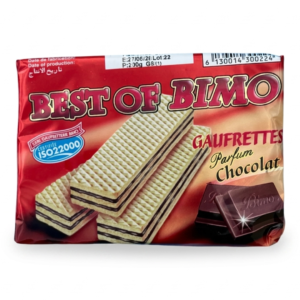
Light layers with chocolate or vanilla cream. Bimo chocolate wafers are a favorite with kids. Check the emulsifier line.
Petit beurre style
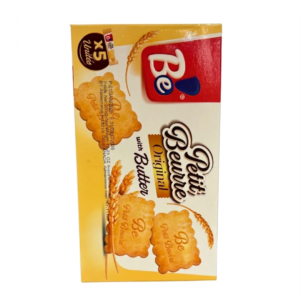
Plain, crunchy and made for dipping in tea or milk. Be Petit Beurre is a classic.
Sandwich biscuits
Two biscuits with a sweet filling. Moon vanilla cream biscuits come in a handy roll.
Madeleines and snack cakes
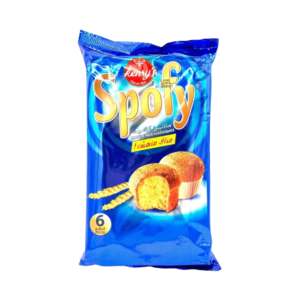
Soft, individually wrapped cakes such as Spofy madeleines fit neatly into a lunchbox.
Bars with nuts
A square of Maruja milk and almond chocolate with tea is a simple after-dinner treat.
Cookies you bake
Ghriba, almond crescents and sesame cookies let you control every ingredient. Use vanilla powder instead of extract.
What to watch in sweet snacks
Sweet halal snacks are usually simple, but three ingredients deserve a glance: gelatin in marshmallow-style fillings, alcohol-based vanilla or rum flavors, and animal-based emulsifiers in cream fillings.
Plain biscuits and wafers with vegetable fats, sugar, flour and cocoa are generally easy choices. If a filling contains a “glycerides” ingredient with no source, check for a halal logo or ask the brand.

Savory Halal Snacks and Whole Foods
Some of the easiest halal snacks need no label reading at all. Plain nuts, seeds, dates, olives and fresh fruit are halal by nature, as long as nothing has been added during processing.
Nuts and seeds
Choose plain roasted or raw nuts. Flavored versions may use cheese powders or flavorings, so check those as you would any other packaged snack. Unsalted sunflower seeds are a good low-salt option.
Dates and olives
Dates are naturally sweet and pair well with nuts or a glass of milk. Briny oil-cured Moroccan olives make a savory bite with bread.
General information only, not medical advice. Nuts and seeds are high in calories and a common allergen, so portion sizes and allergies matter.
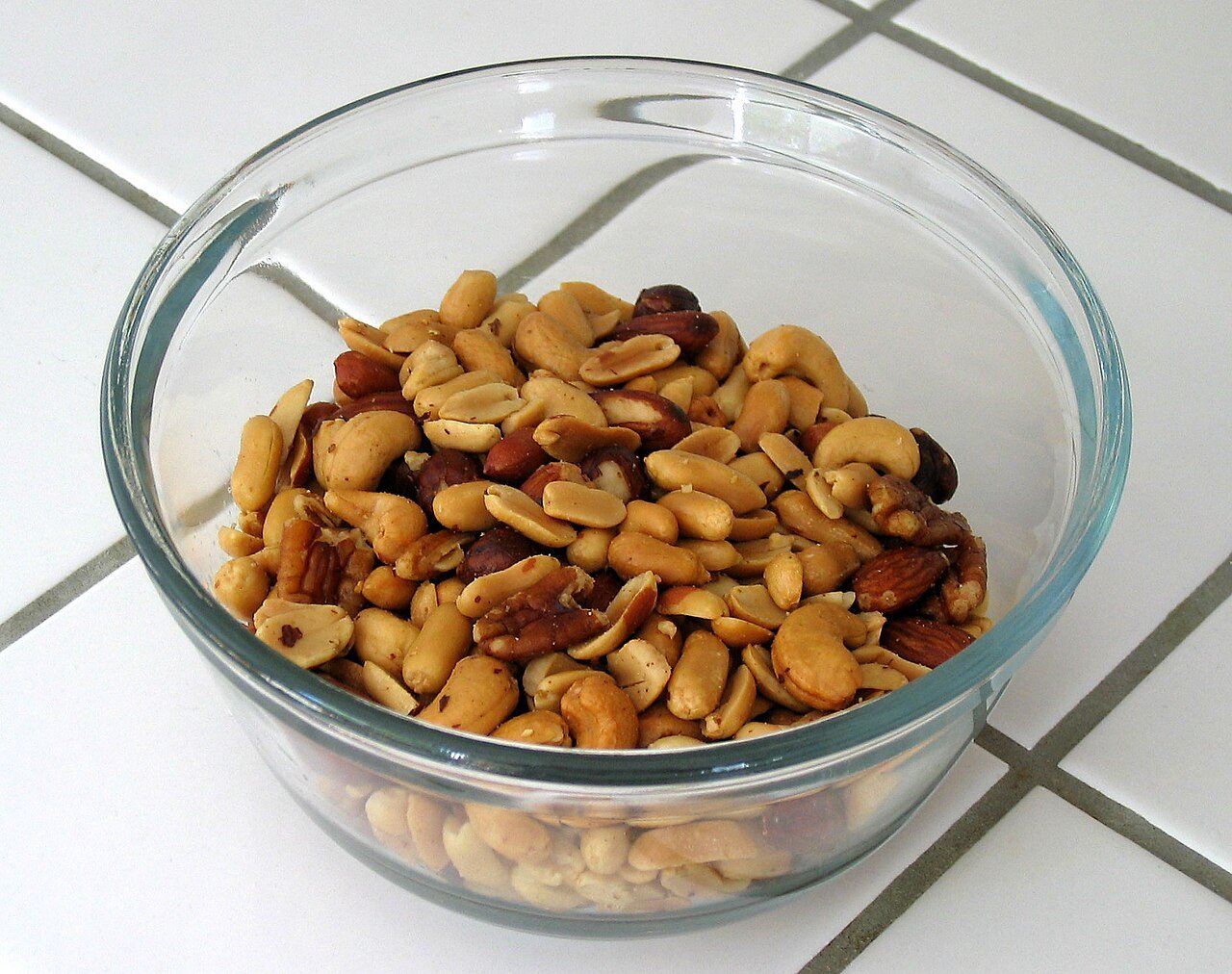
Recipe: Spiced roasted nut and seed mix
This easy mix uses warm North African spices and takes about 25 minutes. It makes roughly 3 cups of homemade halal snacks.
Ingredients
- 1 cup raw almonds
- 1 cup raw cashews or peanuts
- 1/2 cup shelled sunflower seeds
- 2 tablespoons sesame seeds
- 1 1/2 tablespoons olive oil
- 1 teaspoon ground cumin (from whole cumin seeds)
- 1 teaspoon sweet paprika
- 1/2 teaspoon salt, or to taste
- 1 tablespoon honey (optional)
Method
- Heat the oven. Preheat to 325°F and line a baking sheet with parchment.
- Toast the cumin. Warm whole cumin seeds in a dry pan for 1 minute, cool, then grind.
- Coat the nuts. Toss the almonds and cashews with oil, cumin, paprika and salt.
- Roast. Spread on the sheet and bake for 10 minutes.
- Add seeds. Stir in the sunflower seeds and sesame seeds, drizzle with honey if using, and bake 6 to 8 minutes more.
- Cool and store. Let cool completely so the mix turns crunchy, then keep in a sealed jar for up to 2 weeks.
Halal Snacks for Ramadan, School and Guests
Different moments call for different halal snacks. These ideas come from the way North African families eat, adapted for busy American schedules.
Break the fast with dates
Many Muslims start iftar with dates and water, following the example of the Prophet. Browse our Algerian dates category for the next restock.
Slow, filling bites
Nuts, a few dates and a plain biscuit with milk help many people feel full before dawn.
Pack-and-go lunchbox
Individually wrapped cakes or wafers travel well. Check your school’s nut policy before packing nuts.
The tea tray
Serve mint tea with biscuits, dates and almonds. Our tea time collection has the green tea and sugar.
A mixed cookie platter
Combine homemade cookies with store-bought biscuits so guests have plenty of choice.
Seeds in the shell
Cracking sunflower seeds slows you down and makes a bag last a whole film.
No-mess snacks
Wafers, biscuits and dried fruit handle heat and bumps better than chocolate.
Add a North African soda
Pair snacks with a bottle from our drinks and beverages selection for a fun treat.

Storing halal snacks at home
Keep biscuits and wafers in an airtight tin so they stay crisp. Store nuts and seeds in sealed jars in a cool cupboard, or in the fridge for longer life, because their oils can turn rancid.
Dates last for months in the fridge in a closed container. Label homemade mixes with the date you made them, and keep a short list of trusted halal snacks on your phone for faster shopping.
Best North African Snacks to Buy in the USA
Popular biscuits, wafers, chocolate and seeds from North Africa, shipped to all 50 states. As with all halal snacks, please check the pack for the ingredient list and any halal mark that matters to your family.

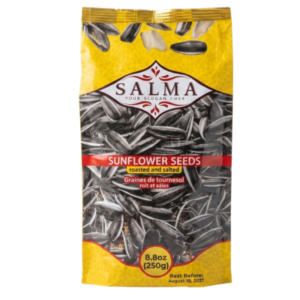 Best savorySalma Sunflower Seeds
Roasted seeds in the shell for snacking the North African way.
Shop now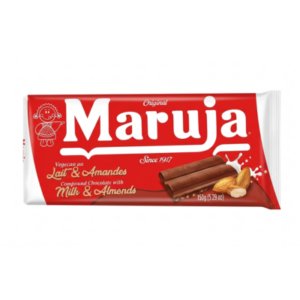
Want more variety? Try Bimo Tagger wafer bars, explore the rest of our biscuit range, and see our shipping policy for delivery times.
Halal Snacks FAQs
What are halal snacks?
Halal snacks are snack foods that contain no pork, alcohol or other ingredients forbidden in Islamic dietary law, and no animal-derived additives from non-halal sources. Many are certified by a halal organization, while simple foods such as plain nuts, seeds and dates are halal by nature.
Are all vegetarian snacks halal?
Not always. Vegetarian snacks avoid meat, but they can still contain alcohol-based flavorings, and some vegetarian products use dairy ingredients made with animal enzymes. A halal logo or a careful ingredient check is still the safest approach.
Is gelatin halal?
It depends on the source. Gelatin made from pork is not halal. Gelatin from cattle slaughtered according to Islamic law, or from fish, is generally accepted. Because most labels do not name the source, many families avoid gelatin unless the product is halal certified.
Is a kosher symbol the same as halal?
No. Kosher and halal rules both forbid pork, but kosher rules allow alcohol and use different slaughter requirements. A kosher symbol can be a helpful clue, but it does not guarantee that a snack is halal.
Are halal snacks healthier?
Halal describes how food is sourced and prepared under Islamic law, not its nutrition. A halal cookie can be just as sweet as any other cookie. For healthy snacking, look at sugar, salt and portion size as well.
How can I tell if imported halal snacks are certified?
Look for a halal logo printed on the pack and note the certifying body. Many brands from Muslim-majority countries carry a national or private halal mark. If none is shown, read the ingredient list and contact the brand for details.
Which snacks are halal without a label?
Plain raw or roasted nuts, seeds, dates, fresh fruit and plain dried fruit are halal by nature, as long as nothing has been added. Flavored or coated versions should be checked like any other packaged snack.
Further reading: Halal (Wikipedia) · IFANCA · 21 CFR 169.175, Vanilla extract
Stock Your Snack Shelf the North African Way
Biscuits, wafers, seeds and tea-time treats from Morocco and Algeria, delivered anywhere in the USA.
Shop Cookies and Biscuits Shop All Products