Ghassoul Clay (Rhassoul) Benefits and How to Use It for Skin and Hair
Where Morocco’s washing clay comes from, what science actually says about it, seven benefits people value, and simple recipes for face, hair and body masks.
Ghassoul clay, also spelled rhassoul, is a brown, magnesium-rich clay mined in Morocco’s Moulouya valley and used for centuries to wash the skin and hair. Mixed with water or rose water into a smooth paste, it gently absorbs oil and dirt without the harsh feel of soap, which is why it is a hammam staple. Most of its benefits come from tradition and small studies, so treat it as a gentle cleanser and mask, not a cure, and patch test first.
Your Complete Rhassoul Guide
Ghassoul clay is one of the oldest beauty products in North Africa. Its name comes from the Arabic verb meaning “to wash,” and that is exactly what it does: it cleans skin and hair while leaving them soft. Moroccan women have passed it from mother to daughter for generations, and a lump of it still sits in many bathroom cabinets next to black soap.
This guide explains what ghassoul is made of, which benefits are backed by research and which are tradition, how it compares to other clays, and how to mix it for your face, hair and body. It pairs naturally with the soaps and oils in our Moroccan cosmetics collection.
Ghassoul Clay at a Glance
What Is Ghassoul Clay?
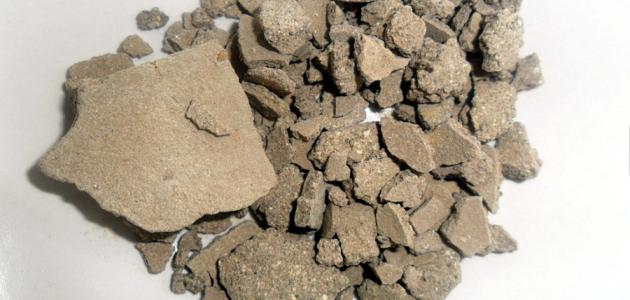
Ghassoul clay is a natural mineral clay that is mined, dried and sold either as small rock-like pieces or as a fine powder. In water it softens into a silky paste that feels almost soapy, which is why it was used to wash hair and skin long before bottled shampoo.
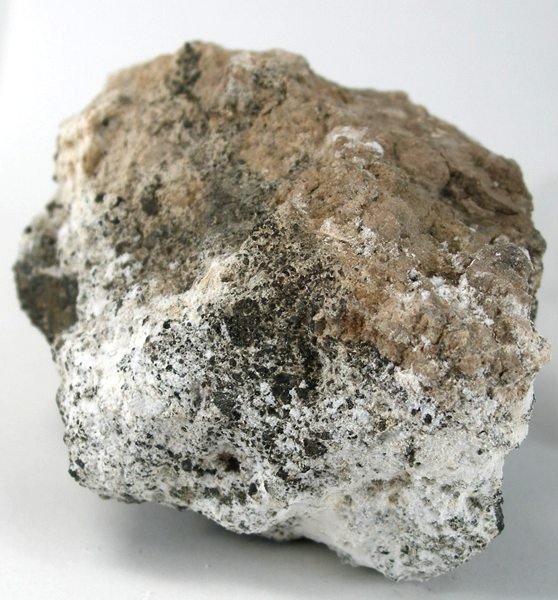
The commercial deposits lie in the upper Moulouya valley, along the edge of the Middle Atlas Mountains, roughly 200 km from Fes. Geologists know the main site as Jbel Ghassoul. Moroccan ghassoul is often described as the only deposit of its kind in the world, but that claim is hard to verify, so we treat it as part of the clay’s legend.
The clay is sometimes called “Moroccan lava clay” in Western shops. That is a marketing name; geologists describe the deposits as sedimentary clay layers, not volcanic lava.
What Ghassoul Clay Is Made Of
A 2009 study in the journal Clays and Clay Minerals analyzed clay from Jbel Ghassoul. The researchers found it is mainly stevensite, a magnesium-rich smectite, mixed with some quartz and dolomite.
Smectites are the clay family that swells in water. Their layered structure gives a very large surface area, about 133 square meters per gram in that study, and the ability to hold and swap charged particles (ions). That is the physical reason ghassoul clay feels slippery and can bind oil and grime.
Minerals in ghassoul clay
Sources list silica, magnesium, potassium, sodium, iron, calcium and traces of lithium. Brochures often claim your skin “absorbs” these minerals. There is no good evidence for that, so the realistic benefit is cleansing and texture, not mineral nutrition.
| Property | What it means for you |
|---|---|
| Swells in water | Turns into a smooth, spreadable paste with no lumps |
| Large surface area | Absorbs excess sebum and dirt from skin and scalp |
| Ion exchange | Binds some impurities that rinse away with the clay |
| Fine, soft particles | Very mild physical exfoliation, gentler than scrubs |
| Low lather | Cleans without stripping as much as foaming soap |
7 Benefits of Ghassoul Clay
These are the reasons people keep coming back to ghassoul clay. We note where the evidence is traditional or anecdotal. This is general information only, not medical advice; see a dermatologist for acne, eczema or other skin conditions.
Washes without harsh foam
Ghassoul lifts dirt and oil through absorption rather than strong detergents, so many people find their skin feels less tight after washing.
Absorbs excess oil
Its swelling clay structure soaks up sebum, which can leave oily and combination skin looking more matte for a while. Results vary from person to person.
A smoother look
By clearing surface oil and debris, a clay mask can make pores look less visible. It does not shrink pores permanently.
Gentle exfoliation
The fine particles polish the skin lightly as you rinse, a softer option than gritty scrubs or a rough kessa session.
Fresh, clean scalp
Used as a hair wash, it can clear oil and product buildup from the scalp. Many users say hair feels lighter with more volume; this is mostly anecdotal.
Soft, defined hair
People with curly and coily hair often use rhassoul as a low-foam wash that cleans without leaving hair rough. Follow with conditioner or oil if your hair is dry.
A calming self-care habit
Mixing clay with rose water and resting while the mask works is part of the pleasure. The ritual itself is a reason ghassoul has lasted for centuries.
Ghassoul Clay vs Other Popular Clays
Ghassoul clay is often compared with bentonite, kaolin and French green clay. They overlap, but they feel different on the skin. This table gives a practical, non-scientific comparison.
| Clay | Main mineral | Feel and strength | Often chosen for |
|---|---|---|---|
| Ghassoul (rhassoul) | Stevensite (magnesium smectite) | Silky, soapy, medium absorption | Face and hair washing, hammam masks |
| Bentonite | Montmorillonite (smectite) | Swells a lot, strong absorption | Very oily skin, spot treatments |
| Kaolin (white clay) | Kaolinite | Very mild, low absorption | Dry and sensitive skin |
| French green clay | Mixed smectites and illite | Strong, can feel drying | Oily skin, body wraps |
If kaolin feels too weak and bentonite too drying, ghassoul sits nicely in the middle. Its slippery texture also makes it easier to work through long hair than most other clays.
How to Mix and Use Ghassoul Clay
The clay is easy to prepare, but a few habits make the paste smoother and the result kinder to your skin.
The basic ratio
Start with about 2 parts liquid to 1 part clay powder, for example 2 tbsp water to 1 tbsp clay, then adjust until it looks like thick yogurt. Pieces of clay need to soak for 5 to 10 minutes before you stir them smooth.
Bowl and spoon
Use a glass, ceramic or wooden bowl and a wooden or plastic spoon. Many guides advise against metal, which is a common tradition even if the effect is debated.
Liquids to use
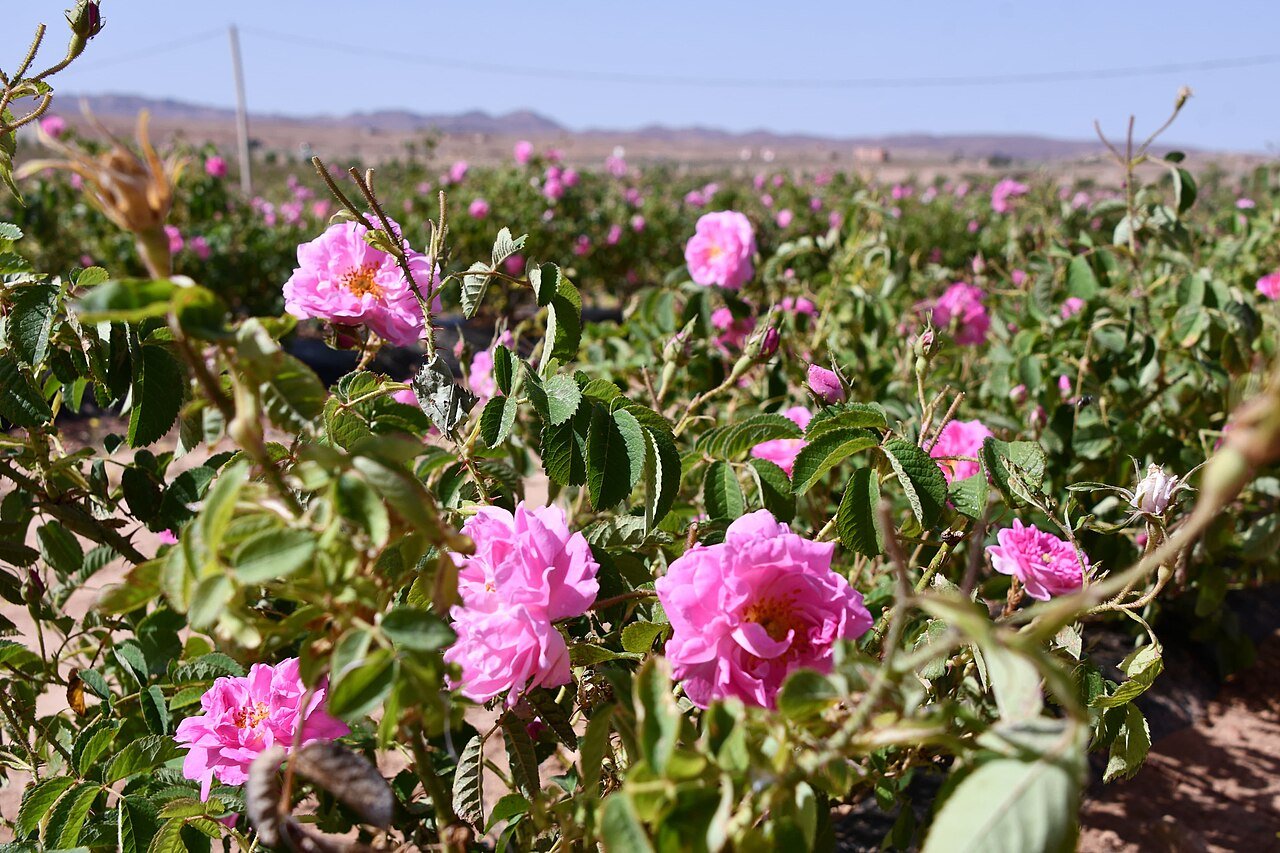
Plain warm water works. Moroccan families often use rose water for a softer scent, or orange blossom water for a fresh floral note. A few drops of argan oil make the mask less drying.

Patch test first
Apply a little paste on your inner arm for 10 minutes and watch for redness or itching over the next day.
Start with clean skin
Wash off makeup. Warm, slightly damp skin takes the clay best, ideally after a shower.
Spread a thin layer
Use fingers or a brush. Avoid the eyes and lips. A thin, even layer works better than a thick one.
Do not let it bake
Rinse after 5 to 10 minutes, before it cracks hard. Mist with rose water if it dries too fast.
Rinse with warm water
Massage gently in small circles as you rinse for a light exfoliating effect, then pat dry.
Moisturize
Follow with your usual moisturizer or a few drops of argan oil, since any clay can leave skin a little dry.
Ghassoul Clay Mask Recipes
Three easy ghassoul clay recipes for face, hair and body. Make each one fresh and use it right away.
Rose face mask (1 use)
- 1 tbsp ghassoul clay powder
- 2 tbsp rose water, plus more if needed
- 2 to 3 drops argan oil (optional, for dry or normal skin)
- Mix to a yogurt texture, apply thinly, rinse after 5 to 10 minutes
- Use once or twice a week
Hair and scalp wash (shoulder-length hair)
- Mix. Stir 4 tbsp clay with about 1/2 cup warm water or rose water into a loose, pourable paste.
- Wet your hair. Work on damp hair, in sections, starting at the scalp.
- Massage. Rub the paste gently into the scalp, then smooth it down the lengths.
- Wait. Leave for 15 to 20 minutes under a shower cap so it stays moist.
- Rinse well. Rinse with plenty of warm water until it runs clear. Follow with conditioner or a little argan oil on the ends.
Body mask after the hammam
In a hammam, ghassoul clay usually comes after black soap and the kessa scrub. Mix 4 to 5 tbsp clay with enough warm water or rose water to make a smooth paste. Spread it over damp skin, relax for 5 to 10 minutes in the warmth and rinse.
The classic order is black soap, then scrub, then clay, then oil. Our traditional Savon Noir is a good first step.
Recipe variations
- Oily skin: mix with plain water or orange blossom water and skip the oil.
- Dry skin: add 1/2 tsp honey or a few extra drops of argan oil and keep the mask on for only 5 minutes.
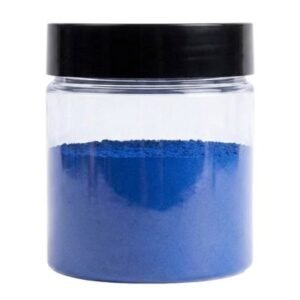
- Bright finish: some women add a pinch of nila powder to the body mask, a traditional Moroccan touch.
Ghassoul Clay in Moroccan Tradition
Ghassoul is central to the Moroccan hammam, where it follows the black soap and the kessa scrub. Older sources suggest its use goes back many centuries, possibly to medieval times, and the Rhassoul entry on Wikipedia summarizes its long role in hammam culture.
In some families the raw clay is soaked with herbs and flowers such as orange blossom, rose, lavender or chamomile, then dried again in the sun into small pieces. This scented ghassoul keeps for months and is ready to soak whenever it is needed.
Ghassoul also appears in wedding traditions. A bride’s beauty preparations before the wedding often include a hammam visit with black soap, ghassoul and henna, and many accounts mention clay among the traditional beauty gifts exchanged between families.

The source
Ghassoul is mined in Morocco and is part of every traditional hammam visit, alongside savon noir.
A shared habit
Algerian hammam rituals also pair washing clays with black soap, henna and floral waters.
Tfal for the hair
In Tunisia, a washing clay called tfal is a traditional hair and body cleanser in the hammam.
Ghassoul Clay Safety and Buying Tips
Ghassoul is gentle for most people, but it is still a natural mineral product. This is general information only, not medical advice.
Who should be careful
- Dry or sensitive skin: limit masks to 5 minutes, add oil to the paste and use it only once a week.
- Eczema, psoriasis or rosacea: ask your dermatologist first, and stop if your skin becomes red, itchy or drier.
- Broken skin: do not apply clay to cuts, burns or active infections.
- Never eat it: ghassoul clay is for external use only.
How to buy good ghassoul clay
- Look for “100% ghassoul” or “100% rhassoul” with Morocco as the origin and no added fragrance if your skin is sensitive.
- Pure ghassoul is brown to gray-brown. Bright red or pink powders are usually other clays or blends.
- Choose sellers that state the product is for cosmetic use and give a batch number or best-by date.
- Store it dry in a closed jar. Dry clay keeps for years, but mixed paste should be used the same day.
Best Products to Pair With Ghassoul Clay
The soaps, floral waters and oil that go with a ghassoul ritual, shipped anywhere in the USA.


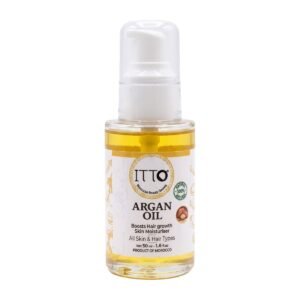
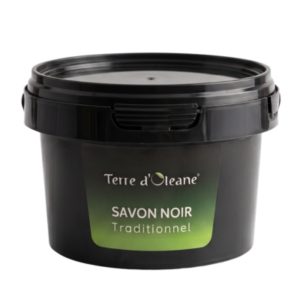
Explore all argan oils or browse the full cosmetics range.
Ghassoul Clay FAQs
What is ghassoul clay used for?
Ghassoul clay is used as a gentle cleanser and mask for the face, hair and body. It absorbs excess oil and dirt, leaves skin feeling soft and is a traditional step in the Moroccan hammam.
Is ghassoul clay the same as rhassoul clay?
Yes. Ghassoul, rhassoul and rassoul are different spellings of the same Moroccan clay. The name comes from an Arabic word meaning to wash.
How often can I use ghassoul clay on my face?
Once or twice a week is enough for most people. Oily skin may tolerate two masks a week, while dry or sensitive skin is usually happier with one short 5 minute mask.
Can I use ghassoul clay on my hair instead of shampoo?
Yes, many people use it as a low-foam hair wash. Mix 3 to 4 tablespoons with warm water, massage into damp hair and scalp, leave 15 to 20 minutes and rinse well. Follow with conditioner if your hair feels dry.
Does ghassoul clay really detox the skin?
There is no strong scientific evidence that it removes toxins. It does absorb oil and surface dirt, so it is best thought of as a gentle cleanser rather than a detox treatment.
Is ghassoul clay good for acne?
It may help oily, acne-prone skin look less shiny, but it is not a proven acne treatment. Patch test first, avoid broken skin and see a dermatologist for persistent or painful acne. This is general information only, not medical advice.
Why should I not use a metal bowl for clay?
Many traditional guides recommend glass, ceramic or wooden bowls and spoons. Evidence that metal harms the clay is weak, but non-metal tools are easy to use and avoid any reaction with acidic additions.
Where does ghassoul clay come from?
It is mined in the upper Moulouya valley along the Middle Atlas Mountains of Morocco, at a site known as Jbel Ghassoul, roughly 200 km from Fes.
Further reading: Clays and Clay Minerals: Mg-smectite from Jbel Ghassoul · Healthline: Rhassoul clay · Rhassoul (Wikipedia)
Bring the Hammam Home
Black soap with ghassoul, floral waters and pure argan oil, delivered anywhere in the USA.
Shop Cosmetics Shop All Products