North African Eid Desserts Cookies and Sweets to Share
Discover the cookies, pastries and honey-soaked sweets families in Morocco, Algeria and Tunisia bake for Eid, plus an easy almond ghriba recipe, a baking timeline and the pantry staples to buy in the USA.
The best-loved North African Eid desserts are almond, semolina and date cookies such as kaab el ghazal, ghriba, makroud, baklawa, ka’ak and fekkas, scented with orange blossom water and honey. Families usually bake them during the last week of Ramadan, keep them for Eid al-Fitr morning and serve them on trays with mint tea or coffee. They are also packed into boxes and plates to share with neighbors and relatives.
Your Complete Eid Desserts Guide
In North Africa, the smell of Eid desserts often arrives days before the holiday itself. In the final week of Ramadan, kitchens fill with trays of cookies, bowls of almond paste and pots of warm honey. Grandmothers, aunts and children work side by side, and the results are hidden away until Eid morning.
This guide walks through the classic sweets of Morocco, Algeria and Tunisia, explains what makes each one special and shows you how to plan a festive tray at home. Most recipes rely on a handful of pantry staples, many of which you will find in our Moroccan baking essentials collection.
Eid Desserts at a Glance
Why Eid Desserts Matter in North Africa
Eid al-Fitr marks the end of the month of fasting, and sweet food is one of the clearest ways families celebrate it. In Morocco the holiday is often called Eid es-Seghir, the “small Eid,” to distinguish it from Eid al-Adha. Because the Islamic calendar is lunar, the date moves about 11 days earlier each year; the Eid al-Fitr overview on Wikipedia lists March 9 to 11, 2027 as the expected window, depending on the moon sighting.
Eid desserts are less about one big cake and more about variety. A good tray holds a dozen kinds of small cookies, each bite-size, so guests can try several with a glass of tea. Homemade sweets are a point of pride, and many families still keep handwritten recipes passed down for generations.
The rhythm of the holiday
- The last week of Ramadan: baking sessions, often in the evenings after the fast is broken.
- Eid morning: a light breakfast of cookies, ka’ak or msemen with tea or coffee, often before or after the Eid prayer.
- Visits: families go from house to house, and every host offers a plate of sweets.
- Gifts: boxes of cookies go to neighbors, teachers and relatives who live alone.
In Tunisia, Eid lasts three days, and people make or buy baklava, several kinds of ka’ak, marzipan and cookies to give to friends and family. In Algeria, many families bake makroud and sablés together and keep them hidden until the holiday arrives.
Moroccan Eid Desserts
Moroccan Eid desserts lean on almonds, orange blossom water, cinnamon and sesame. The most elegant of them all is kaab el ghazal, which you will see on almost every festive tray.
Kaab el ghazal (gazelle horns)
Crescent-shaped pastries made from a very thin dough wrapped around almond paste scented with orange blossom water and a little cinnamon. They are baked just until pale, so they stay soft inside. The name translates as “gazelle’s ankle,” though the French “cornes de gazelle” is more widely used.
Ghriba
Crackled, crumbly cookies with many versions: almond ghriba, semolina ghriba, coconut ghriba and ghriba bahla, which is made with flour and butter. They are easy to make in large batches, which is why they appear at every celebration.

More Moroccan favorites
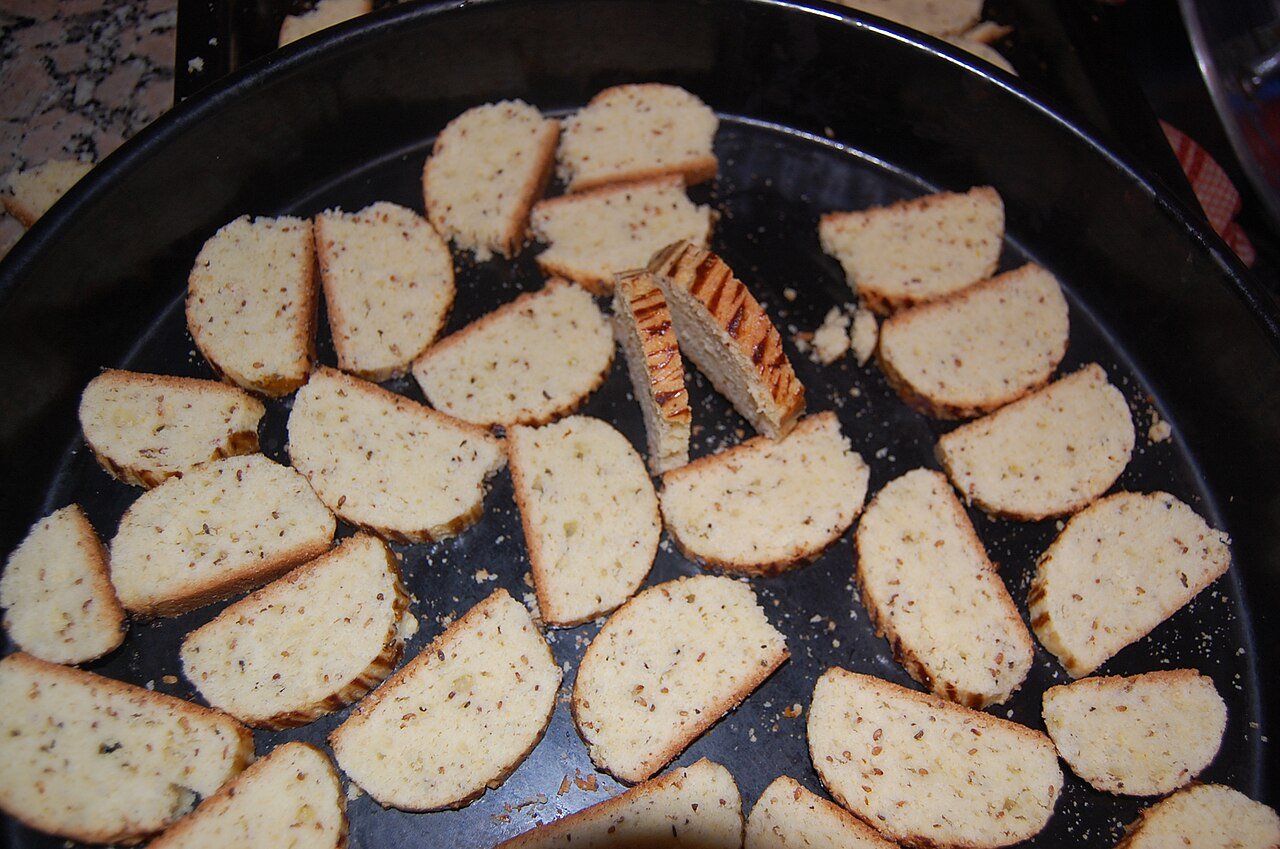
Fekkas
Crunchy biscotti-style slices studded with almonds, raisins or sesame and flavored with anise. Perfect for dunking in tea.
Almond briouats
Small triangles of thin pastry filled with almond paste, fried or baked, then dipped in warm honey.
Sellou
A rich mix of toasted flour, ground almonds, sesame, anise and cinnamon, bound with butter and honey. Also known as sfouf.
Chebakia
Flower-shaped sesame cookies fried and soaked in honey. Mostly a Ramadan sweet, but leftovers often reach the Eid table.
Algerian Eid Desserts
Algeria is famous for its elaborate Eid desserts. A typical tray mixes old classics with modern iced cookies, and some families bake ten or more varieties for the holiday.
Makrout (makroud)
The star of Algerian Eid desserts. A semolina dough is filled with date paste, shaped into a log, cut into diamonds, then fried or baked and soaked in honey. Some versions are filled with almond paste instead of dates.
Baklawa
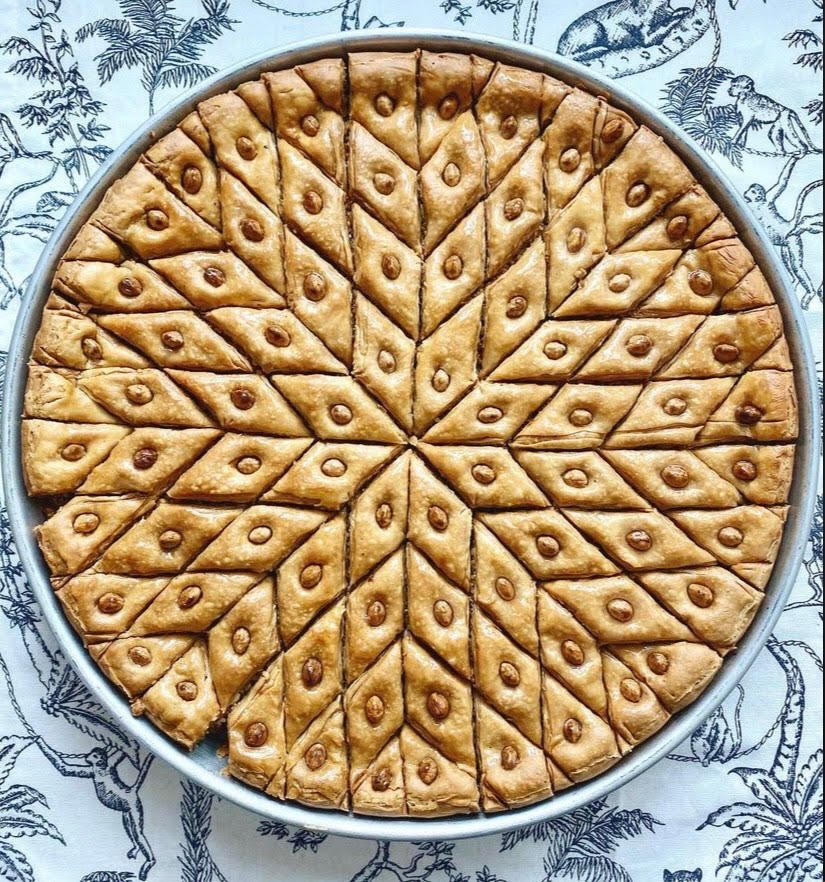
Algerian baklawa is baked in a large round tray, with many thin layers of dough and a filling of ground almonds or walnuts. It is cut into diamonds, often topped with a single almond, and drenched in honey or syrup.
Tcharek
Crescent cookies with an almond filling, related to Moroccan gazelle horns. Tcharek el aryan is left plain, while tcharek msaker is coated in powdered sugar.

Dziriettes
Small flower-shaped cups of thin dough filled with almond paste, glazed with honey and decorated with pistachio or a sugar flower.
Griwech
Twisted ribbons of dough fried until crisp, dipped in honey and sprinkled with sesame seeds. Called mkharek in some regions.
Sablés and ka’ak
Jam-filled sablés are a family favorite, and ka’ak, an orange blossom bread or ring cookie, is often eaten on Eid morning with coffee.
If you like the flavor of dates in Eid desserts, look for soft Deglet Nour dates from Algeria; our Algerian dates page lists what is in stock. For ready-made treats, our Algerian biscuits are a handy addition to a busy holiday tray.

Tunisian Eid Desserts
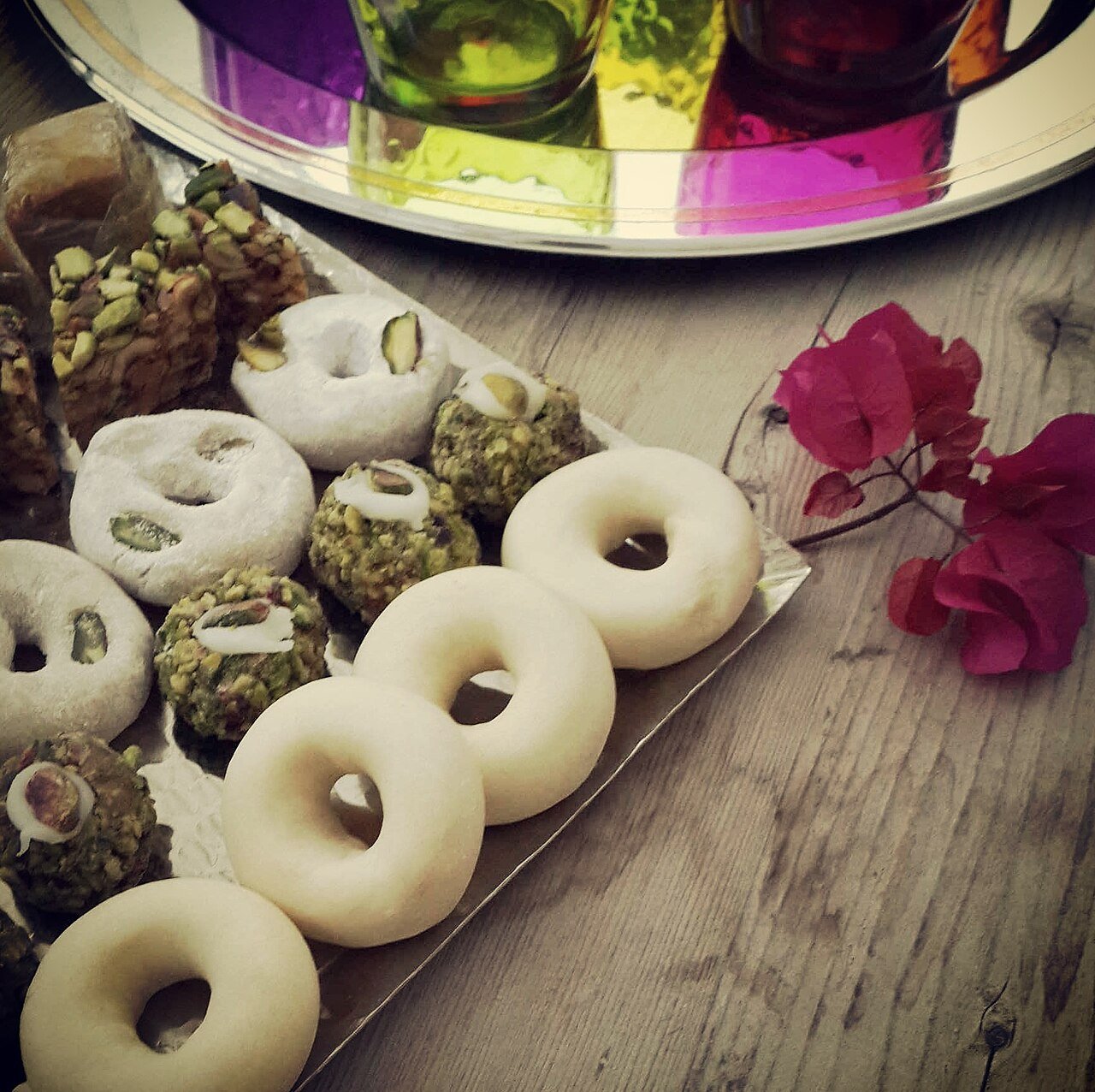
Tunisian Eid desserts are known for their delicate floral notes. Rose water and geranium water are used as often as orange blossom, and almonds and pistachios feature in many recipes.
Ka’ak warka
Rings of fine dough wrapped around a soft almond paste perfumed with rose or geranium water. They are closely linked to the town of Zaghouan.
Makroudh
Tunisia’s version of the date-filled semolina diamond is famous in the city of Kairouan. It is usually fried, soaked in syrup or honey and sometimes rolled in sesame seeds.
Kaber ellouz
Marble-size balls of almond marzipan scented with rose water and rolled in sugar, often tinted in pastel colors.
Ghraiba
Tunisian ghraiba is often made with chickpea flour or sorghum flour, giving it a sandy, delicate texture.
Baklawa
Tunisian baklawa is typically filled with almonds or pistachios and finished with a light syrup flavored with rose or geranium water.
Samsa
Triangles of thin pastry filled with almonds and sesame, fried and soaked in a fragrant syrup.
For a deeper look at these sweets, Saveur’s feature on North African holiday desserts shares recipes from Algerian and Tunisian pastry chefs, including makroud and kaber ellouz.
The Pantry Behind Eid Desserts
You do not need special equipment to bake Eid desserts at home, but a few ingredients make them taste right. Most of these keep for months, so you can stock up well before Ramadan.
| Ingredient | Used in | Tip |
|---|---|---|
| Orange blossom water | Gazelle horns, makroud syrup, ghriba | Strong; start with 1 tablespoon per batch |
| Rose water | Kaber ellouz, ka’ak warka, baklawa syrup | Add at the end of cooking to keep the aroma |
| Blanched almonds | Almond paste, briouats, dziriettes | Grind with sugar to prevent oiliness |
| Medium semolina | Makroud, semolina ghriba | Rest the dough so the grains hydrate |
| Dates | Makroud filling | Soft Deglet Nour dates mash easily |
| Sesame seeds | Chebakia, griwech, fekkas | Toast lightly for a nutty flavor |
| Honey | Dipping and glazing | Warm it gently so it coats evenly |
| Cinnamon and anise | Almond paste, fekkas, sellou | Buy small jars and keep them fresh |
Helpful extras
Vanilla sugar is a common shortcut in North African baking. A sachet of Alsa vanilla sugar flavors a whole batch of sablés, and Nouara baking powder comes in sachets measured for about 500 g of flour, the same way many family recipes are written. Browse all baking essentials for more.
Easy Almond Ghriba for Your Eid Desserts Tray
If you bake only one of these Eid desserts this year, make it almond ghriba. The dough comes together in one bowl, needs no rolling and is naturally free of wheat flour. Makes about 24 cookies.
Ingredients
- 2 cups (200 g) almond flour or finely ground blanched almonds
- 1/2 cup (100 g) granulated sugar
- 1 large egg
- 1 tablespoon melted butter or neutral oil
- 1 teaspoon baking powder (check the label if you need it gluten free)
- Finely grated zest of 1 lemon
- 1 tablespoon orange blossom water
- Pinch of salt
- About 1 cup powdered sugar, for rolling
You will need
- A large bowl and a baking sheet
- Parchment paper
- A small bowl for the powdered sugar
Method
- Heat the oven. Preheat to 350°F and line a baking sheet with parchment paper.
- Mix the dry ingredients. Stir together the almond flour, sugar, baking powder, salt and lemon zest.
- Add the wet ingredients. Add the egg, butter and orange blossom water and mix with a spatula or your hands until you have a soft, slightly sticky dough.
- Rest. Cover and chill the dough for 20 to 30 minutes so it is easier to shape.
- Shape. Roll walnut-size balls (about 1 tablespoon each), then roll each one generously in powdered sugar.
- Flatten slightly. Place on the sheet 2 inches apart and press the tops gently with two fingers. The sugar coating will crack as they bake.
- Bake. Bake for 12 to 15 minutes, until cracked on top and just golden underneath. Cool on the sheet for 10 minutes; they firm up as they cool.
Baking Timeline and Storage
Making several Eid desserts in one week is easier with a plan. Start with the sturdiest cookies and leave the most delicate ones for last.
Plan and shop
Choose four to six recipes and check your pantry for nuts, semolina, honey and flower waters. Order specialty items early.
Make almond paste
Grind almonds with sugar and spices, wrap in portions and freeze. Thaw in the fridge the day before you shape your pastries.
Bake fekkas and sellou
Dry, sturdy treats like fekkas and sellou keep well in airtight tins, so make them first.
Fry and dip
Makroud, griwech and chebakia can be made a week ahead. Store them in a single layer between sheets of parchment.
Bake ghriba and sablés
These cookies are quick and keep their texture well for one to two weeks.
Shape gazelle horns
Kaab el ghazal and tcharek taste best fresh, so bake them close to the holiday.
Decorate and arrange
Glaze, dust with sugar, place in paper cases and fill your trays and gift boxes.
Brew and serve
Make a big pot of mint tea and set out the trays before guests arrive.
How long do Eid desserts keep?
| Type | Examples | Storage | Keeps about |
|---|---|---|---|
| Dry cookies | Fekkas, ghriba, sablés | Airtight tin, room temperature | 1 to 3 weeks |
| Honey-soaked | Makroud, griwech, chebakia | Airtight box, cool place | 1 to 2 weeks |
| Almond paste pastries | Gazelle horns, dziriettes | Airtight box, cool place | About 1 week |
| Layered pastries | Baklawa | Covered tray, cool place | About 1 week |
These are general guidelines. In a warm kitchen, keep honey-soaked sweets in the fridge and bring them to room temperature before serving.
Serving and Gifting Eid Desserts
Presentation is a big part of the fun. Eid desserts are usually arranged in neat rows or circles on a large tray, each cookie in its own paper case, with colors and shapes alternating.
Build a beautiful tray
- Pick 5 to 8 varieties with different shapes and colors.
- Place the largest pieces in the center and the smallest around the edge.
- Add a few dates, a bowl of toasted almonds and some dried fruit.
- Keep honey-soaked pieces in paper cases so they do not stick.
Pair with tea
Sweet mint tea is the classic match. A strong gunpowder tea such as Sultan Grain Ambar No.16 stands up to honey and almonds, and our tea time collection has everything else for the pot.
Gift boxes
Line a box with parchment, fill it with an assortment and tie it with ribbon. A short handwritten note with the names of the cookies is a thoughtful touch for friends who are new to Eid desserts.
Sugar, Nuts and Allergy Notes
General information only, not medical advice. Most Eid desserts are rich in sugar, honey, nuts and butter, which is part of their festive appeal. They are meant to be enjoyed in small pieces, which is why North African cookies are traditionally bite-size.
After a month of fasting, some people find very sweet food hard to digest in large amounts. Spreading treats through the day and drinking plenty of water can help. Anyone managing diabetes or another health condition should follow the advice of their own health care provider.
Allergies and dietary needs
- Tree nuts: almonds, walnuts and pistachios appear in most recipes. Label your trays and boxes clearly.
- Sesame: common in chebakia, griwech and makroud.
- Gluten: almond ghriba and kaber ellouz can be made without wheat; most others use semolina or flour.
- Eggs and dairy: many cookies use butter or eggs; check each recipe if you are hosting vegan guests.
Best Ingredients for Eid Desserts to Buy in the USA
Authentic North African baking staples for your holiday cookies, shipped to all 50 states. Order a few weeks before Eid so everything arrives in time.


 Best for dippingTayeb Eucalyptus Honey
A large jar for glazing makroud, griwech and briouats.
Shop now
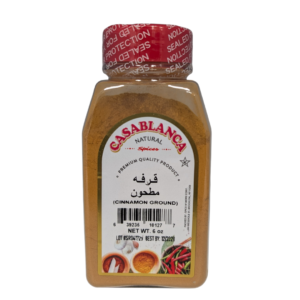 Warm spiceCasablanca Ground Cinnamon
A pinch in almond paste and sellou makes all the difference.
Shop now
Need a bigger bottle? Try Samra rose water 500ml, and check our shipping policy for delivery times before the holiday.
Eid Desserts FAQs
What are the most popular Eid desserts in North Africa?
Favorites include kaab el ghazal (gazelle horns), ghriba, fekkas and sellou in Morocco; makrout, baklawa, tcharek and dziriettes in Algeria; and ka’ak warka, makroudh, baklawa and almond marzipan in Tunisia.
When do families bake Eid desserts?
Most families bake during the last week of Ramadan, often in the evenings after breaking the fast. Sturdy cookies are made first and delicate almond pastries closer to the holiday.
Which Eid desserts are easiest for beginners?
Almond ghriba, fekkas and sellou are the easiest. They need no rolling pin or deep frying and use simple ingredients like almonds, sugar, eggs and spices.
How far ahead can I make Eid desserts?
Dry cookies such as fekkas and ghriba keep about 1 to 3 weeks in airtight tins. Honey-soaked sweets keep 1 to 2 weeks, while almond paste pastries are best within about a week.
What is the difference between makroud and makroudh?
They are the same family of date-filled semolina cookies with different spellings. Algerian makrout is often baked or fried and glazed with honey, while the Tunisian version from Kairouan is usually fried and soaked in syrup.
Can Eid desserts be made gluten free?
Some can. Almond ghriba and almond marzipan sweets can be made without wheat flour if you use certified gluten-free baking powder. Most other cookies rely on semolina or flour.
What do you serve with Eid desserts?
Sweet mint tea is the classic pairing, along with coffee and milk for children. Many families also add dates, nuts and dried fruit to the tray.
Further reading: Eid al-Fitr (Wikipedia) · Saveur: North African holiday desserts · Makroudh (Wikipedia)
Start Your Eid Baking Early
Orange blossom water, honey, spices and North African baking staples for your Eid desserts, delivered anywhere in the USA.
Shop Baking Essentials Shop All Products