Deglet Nour Dates The Queen of North African Dates
Where the “date of light” comes from, how it tastes next to Medjool, what it offers nutritionally, how to buy and store it, and the best ways to cook and snack with it at home.
Deglet Nour dates are a semi-dry date variety that originated in the Tolga oasis of Algeria and are prized for their amber, slightly translucent flesh and mild honey flavor. They are firmer and less sticky than Medjool, which makes them ideal for snacking, chopping and baking. Today they grow mainly in Algeria, Tunisia and the American Southwest, and they lead all dates in export value worldwide.
Your Complete Date Lover’s Guide
If you grew up in Algeria or Tunisia, Deglet Nour dates probably need no introduction. They sit in a bowl on the table during Ramadan, they are pressed into pastries for Eid, and they travel in suitcases to relatives abroad. If you are new to them, think of a slim, golden date with a gentle sweetness that never tastes cloying.
This guide covers the story behind Deglet Nour dates, how they compare with other popular varieties, the nutrition basics, and practical tips for buying, storing and cooking them. You will also find a simple date paste recipe and ideas for pairing dates with the teas, spices and couscous in our Algerian products range.
Deglet Nour Dates at a Glance
What Are Deglet Nour Dates and Where Do They Come From?
Deglet Nour dates are the fruit of one cultivar of the date palm, Phoenix dactylifera. The Arabic name is usually translated as “date of light” or “heavenly date,” a nod to the way the ripe fruit glows when you hold it up to the sun.
The variety is traced to the oasis of Tolga in Algeria, in the Ziban area around Biskra. French botanist Pierre Munier recorded that it spread to Biskra and the Oued Righ valley between the late 13th and early 14th centuries.
From Algeria the palm moved east. Tunisian tradition credits a grower from Tozeur, Sidi Touati, with bringing it to the Jerid at the end of the 17th century. Offshoots later went to Libya and, in the early 1900s, to the United States.
Algeria is proud of this heritage. Its Ministry of Agriculture reserves the commercial “Deglet Nour” label for Algerian dates, as noted in the Deglet Nour entry on Wikipedia.

How Do Deglet Nour Dates Taste Compared With Medjool?
The first bite of a good Deglet Nour date is firm but tender. The flesh is lightly chewy, never mushy, and the flavor is a clean honey sweetness with hints of caramel and nuts. The skin is thin and usually smooth or gently wrinkled.
Botanists group dates into soft, semi-dry and dry types. Medjool is the classic soft date, while Deglet Nour dates sit in the semi-dry group. That middle position is their great strength: they are moist enough to eat out of hand yet firm enough to slice neatly.
Both varieties are unusual in one way. According to the Medjool article on Wikipedia, only two of more than 3,000 known cultivars contain notable sucrose: Medjool and Deglet Nour. That helps explain their rich, rounded sweetness.
Deglet Nour vs Medjool vs common dates
| Feature | Deglet Nour | Medjool | Dry dates (e.g. Thoory) |
|---|---|---|---|
| Type | Semi-dry | Soft | Dry |
| Origin | Tolga, Algeria | Tafilalt, Morocco | Several Saharan oases |
| Size | Medium, slender | Large, plump | Small to medium |
| Color | Amber, translucent | Dark brown | Pale to tan |
| Texture | Firm, lightly chewy | Very soft, sticky | Hard, dry |
| Best for | Snacking, baking, chopping | Eating whole, stuffing | Grinding, long storage |
Where Deglet Nour Dates Grow Today
Three regions dominate the world’s supply of Deglet Nour dates. Each has its own story, but all share hot, dry summers and reliable water from wells or rivers.
Tolga and Oued Righ
The original home. Oasis towns around Biskra, especially Tolga, and the Oued Righ valley remain the heart of Algerian production. Branched bunches packed straight from the palm are a classic gift box.
Jerid and Nefzaoua
Around Tozeur, Nefta and Kebili, Deglet Nour is the chief export variety. Palm groves here also shade fruit trees and vegetables in a layered oasis system.
California and Arizona
The Coachella Valley grows nearly all US dates, and Deglet Noor is a major variety there. Smaller plantings exist in Arizona and Texas.
How Deglet Nour dates reached California
The American date industry began as a government experiment. In 1890 the USDA imported palm shoots from Iraq and Egypt, but most were male seedlings with poor fruit. In September 1903, USDA horticulturist Bernard Johnson planted offshoots he had brought from Algeria near present-day Mecca, California.
Johnson later imported more Algerian shoots in 1908 and 1912, and he is credited with introducing the first commercial Deglet Noor palms to the region. Today the valley produces nearly 95 percent of the US date crop, according to the Coachella Valley article.
During World War II sugar rationing, Deglet Nour dates became popular in the US as a natural candy substitute. Indio still celebrates the crop each February at the Riverside County Fair and National Date Festival.

From Green Fruit to Harvest Day
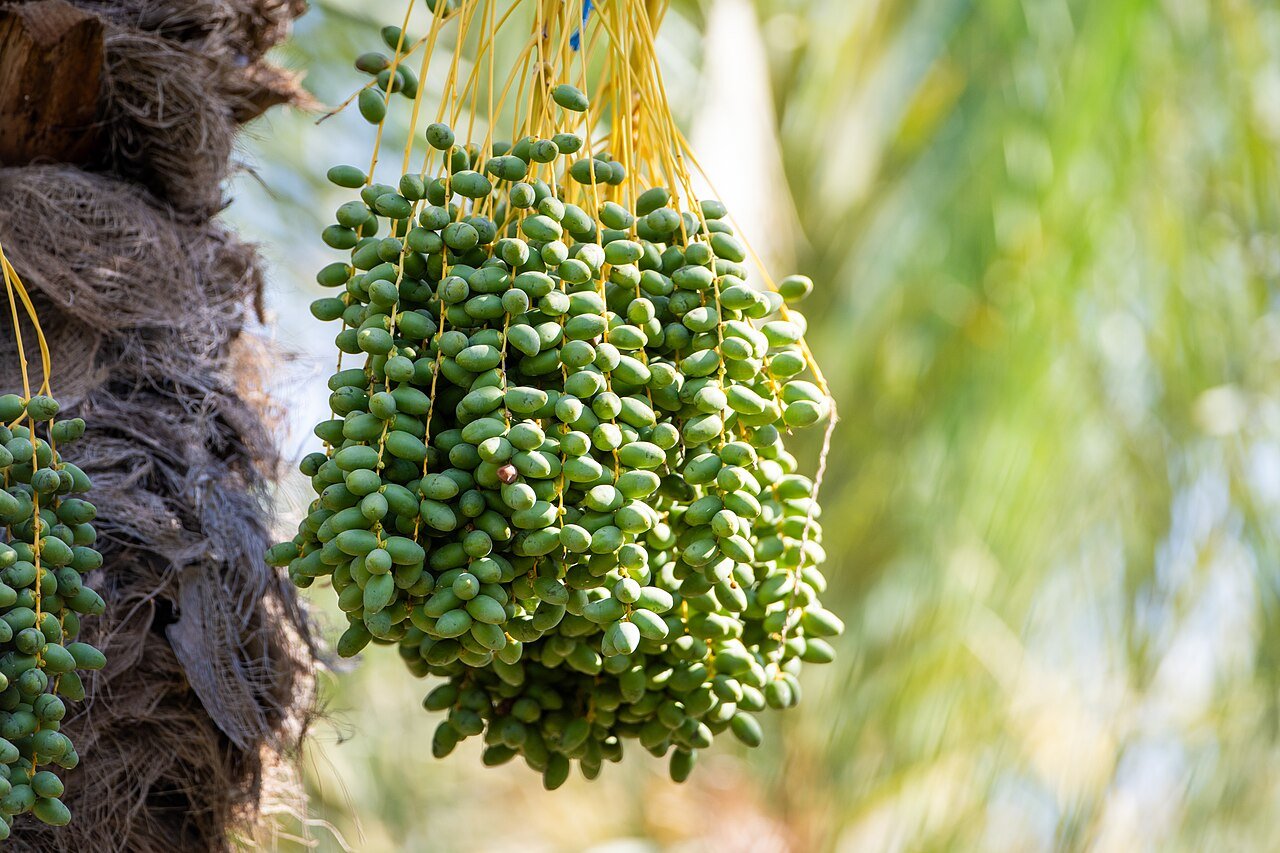
Date palms are either male or female, and only females bear fruit. Growers in North Africa have long helped nature along by hand, tying sprigs of male flowers into the female clusters in spring so the fruit sets well.
Over the summer the fruit swells and changes color. Growers often describe the main stages with Arabic names: khalal for the firm, crunchy green-to-yellow stage, rutab for the soft, partly ripe stage, and tamar for the fully ripe, cured fruit you usually buy.
Deglet Nour dates are normally sold at the tamar stage, when they have lost much of their water and gained their amber color. In the Northern Hemisphere the harvest generally runs through autumn, which is why fresh-crop boxes often appear in stores from late fall onward.
Why some dates come on the branch
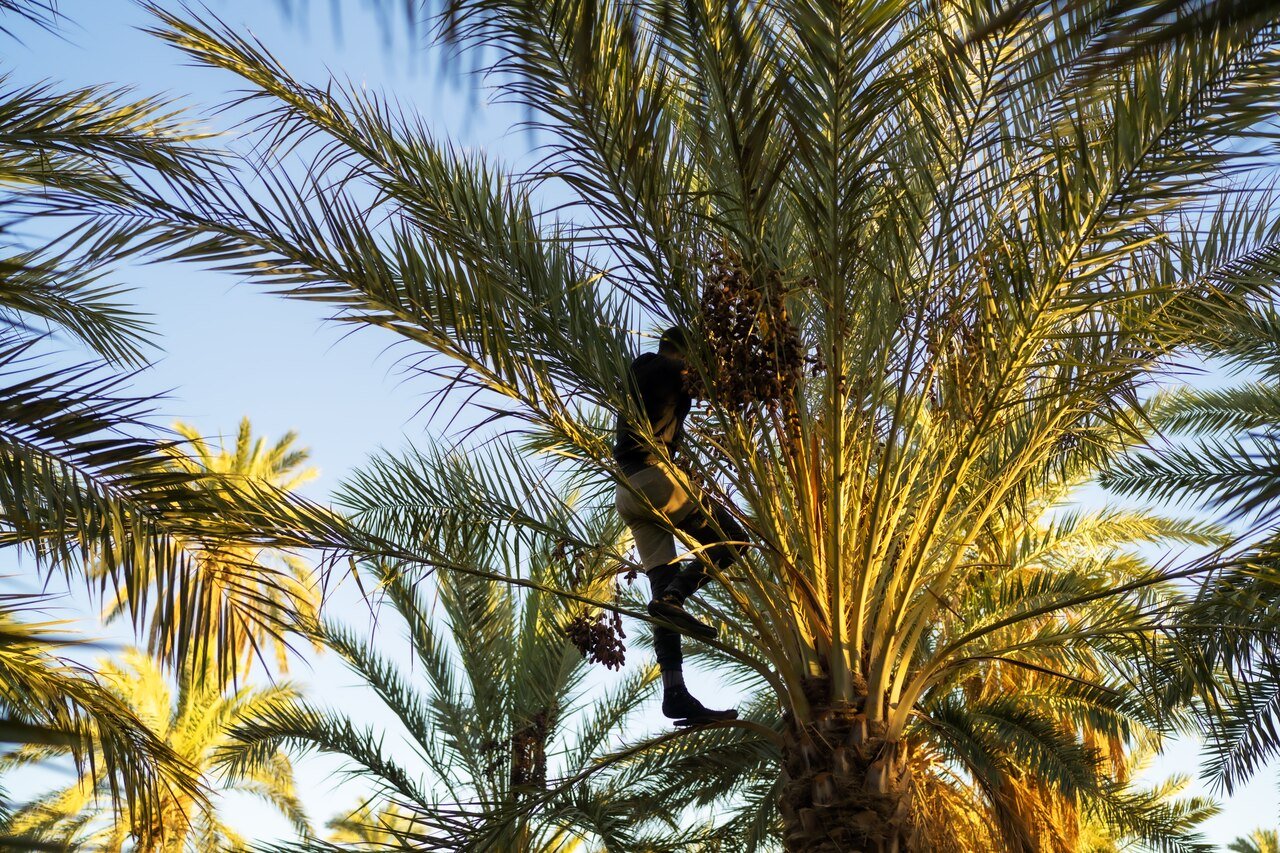
Workers climb the palms or use lifts to cut whole bunches. Some producers keep the fruit on its strands, sold as “branched” Deglet Nour dates. They look beautiful on the table and are a sign of minimal handling.
Deglet Nour Dates Nutrition and Health Notes
General information only, not medical advice. Dates are a concentrated fruit. Most of their water evaporates as they ripen on the palm, so the natural sugars, fiber and minerals are packed into a small, sweet bite.
Standard nutrition data for Deglet Nour dates, summarized from USDA figures on the date palm article, look like this for a 100 g portion, which is roughly 12 to 14 dates depending on size.
| Per 100 g | Amount | What it means |
|---|---|---|
| Energy | About 280 kcal | Energy-dense; a few dates go a long way |
| Carbohydrates | About 75 g | Mostly natural sugars |
| Sugars | About 63 g | Glucose, fructose and some sucrose |
| Dietary fiber | About 8 g | A useful share of daily fiber |
| Protein | About 2 g | Small amount |
| Fat | Less than 1 g | Practically fat free |
| Potassium | About 22% of the Daily Value | A good source of this mineral |
| Water | About 21% | Why they keep so well |
Are Deglet Nour dates healthy?
They can be part of a balanced diet. The fiber and potassium are pluses, and dates contain no added sugar when sold plain. Still, they are high in natural sugar and calories, so portion size matters, especially for people managing blood sugar or weight.
A serving of three to five dates is a common snack size. People with diabetes, kidney conditions that limit potassium, or other health concerns should ask a doctor or dietitian how dates fit their plan.
How to Buy and Store Deglet Nour Dates
Good Deglet Nour dates should look plump, glossy and evenly colored. These tips help you pick the best box and keep it tasting fresh.
Check the color
Aim for amber to golden brown with a slight glow. Very dark, dull fruit may be old or overly dried.
Squeeze gently
The date should give a little without collapsing. Rock-hard fruit is dry; very sticky fruit may be past its best.
Read the origin
Look for Algeria, Tunisia or California on the box, and the crop year if listed. Fresh-crop dates taste brightest.
Branched or loose
Branched dates are handled less and look festive. Loose or pitted dates are more practical for cooking.
Don’t fear white spots
Fine white crystals on the skin are often natural sugar rising to the surface, not mold. Fuzzy or wet spots are a different story; discard those.
Store airtight
Keep dates in a sealed container in a cool, dark cupboard. They usually stay good for several weeks this way.
Refrigerate for months
In the refrigerator, sealed dates often keep for several months and stay softer for longer.
Freeze the extras
Dates freeze well for longer storage. Thaw at room temperature for 20 to 30 minutes before eating.
Soften dry dates
Soak dried-out dates in warm water for 10 minutes, or steam them briefly, before using them in baking.
8 Delicious Ways to Eat Deglet Nour Dates
Deglet Nour dates are wonderfully versatile. Here are eight ways families across the Maghreb, and date fans in the US, enjoy them.
With milk or laban
A few dates with a glass of cold milk or buttermilk is the traditional way to break the fast and a simple afternoon snack.
With mint tea or coffee
Dates and a hot drink welcome guests across North Africa. Try them with a pot of Sultan gunpowder green tea from our tea time collection.
Almond-stuffed dates
Slit, pit and fill each date with a toasted almond or a little almond paste scented with orange blossom water.
Sweet seffa
Steamed fine couscous with butter, cinnamon, powdered sugar and chopped dates makes a festive dish. Start with Kenz fine couscous.
Makroud and date cookies
Algerian and Tunisian makroud wrap a spiced date paste in semolina dough before frying or baking and dipping in honey.
In tagines and stews
A handful of chopped dates adds sweetness to lamb or chicken tagines with cinnamon, ginger and onions.
Oatmeal and smoothies
Chop two or three Deglet Nour dates into oatmeal or blend them into a banana smoothie instead of added sugar.
Salads and cheese boards
Sliced dates pair beautifully with goat cheese, walnuts, oranges and greens dressed with olive oil.

Homemade Date Paste With Deglet Nour Dates
This spiced date paste is the base of makroud, date-filled cookies and many Eid pastries. It also makes a lovely spread for toast. Makes about 1 1/2 cups.
Ingredients
- 1 lb (450 g) Deglet Nour dates, pitted
- 2 to 4 tablespoons hot water
- 1 tablespoon butter or neutral oil
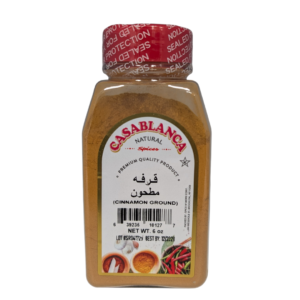
- 1/2 teaspoon ground cinnamon
- 1 pinch ground cloves (optional)
- 1 to 2 teaspoons orange blossom water
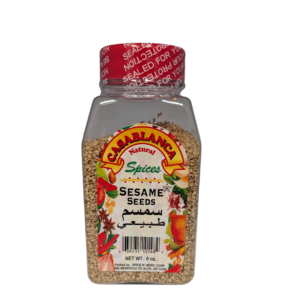
- 1 tablespoon toasted sesame seeds (optional)
You will need
- A food processor or a sturdy fork
- A small saucepan
- An airtight jar
Method
- Soften. If the dates feel firm, soak them in hot water for 10 minutes, then drain well.
- Chop. Pulse the dates in a food processor until they form a coarse paste. Add hot water a spoon at a time only if needed.
- Warm. Melt the butter in a pan over low heat, add the paste and stir for 3 to 4 minutes until smooth and glossy.
- Spice. Stir in the cinnamon, cloves and orange blossom water. Taste and adjust.
- Knead. Let the paste cool until warm, then knead it with your hands, adding sesame seeds if you like.
- Store. Pack into a jar and refrigerate for up to 2 weeks, or freeze in portions.
Best Partners for Deglet Nour Dates to Buy in the USA
Teas, spices and pantry staples that bring out the best in your dates, shipped to all 50 states. Check our Algerian dates page for the latest date stock.
 Dates and teaSultan Grain Ambar No.16
Classic gunpowder green tea to serve with a bowl of dates.
Shop now


Making pastries? Browse our baking essentials and drizzle finished makroud with Tayeb eucalyptus honey.
Deglet Nour Dates FAQs
What does Deglet Nour mean?
The Arabic name is usually translated as date of light or heavenly date. It refers to the amber, slightly translucent flesh that seems to glow when the ripe fruit is held up to the light.
Are Deglet Nour dates better than Medjool?
Neither is better; they are different. Medjool is a large, soft, very sticky date, while Deglet Nour dates are semi-dry, firmer and milder. Many cooks prefer Deglet Nour for baking and chopping and Medjool for eating whole or stuffing.
Where do Deglet Nour dates come from?
The variety originated in the Tolga oasis near Biskra in Algeria. It is now grown mainly in Algeria, in the Jerid and Nefzaoua oases of Tunisia, and in California, Arizona and Texas in the United States.
How many Deglet Nour dates should I eat a day?
A common snack portion is three to five dates. They are rich in natural sugar and calories, so people managing blood sugar, weight or a medical condition should ask a doctor or dietitian what portion suits them.
Do Deglet Nour dates need to be refrigerated?
Not necessarily. They keep for several weeks in an airtight container in a cool, dark cupboard. The refrigerator extends that to several months, and the freezer keeps them even longer.
Why are there white spots on my dates?
Fine, dry white crystals are usually natural sugar that has moved to the surface during storage. They are harmless. Fuzzy, wet or bad-smelling spots suggest spoilage, so throw those dates away.
Can I use Deglet Nour dates in baking?
Yes. Their firm texture makes them easy to chop for cookies, breads and granola, and they blend into a smooth paste for makroud and other filled pastries. Soak very dry dates in warm water first.
Further reading: Deglet Nour (Wikipedia) · Date palm (Wikipedia) · Coachella Valley (Wikipedia)
Bring the Oasis to Your Kitchen
Algerian dates, North African teas, spices and couscous, delivered to your door anywhere in the USA.
Shop Algerian Dates Shop All Products