Cinnamon Tea North African Style, Brewed at Home
How to brew cinnamon tea with sticks or ground spice, six warming North African variations, Ceylon vs cassia, honest health notes and the pantry staples that make it easy.
To make cinnamon tea, simmer one 3-inch cinnamon stick in about 1 1/2 cups of water for 10 to 15 minutes, then sweeten it with honey or sugar. In North Africa, cinnamon (qarfa) also goes into mint green tea, hot milk and winter infusions with ginger and cloves. Plain cinnamon tea is caffeine free. Enjoy it in normal food amounts, and choose Ceylon cinnamon if you drink a lot, because cassia contains more coumarin.
Your Complete Qarfa Guide
Cinnamon tea is one of the simplest warm drinks you can make: bark, water, heat and a little sweetness. Yet across North Africa the same spice shows up in many cups, from a stick dropped into the mint tea pot to sweet cinnamon milk on a cold night.
This guide shows you how to brew a clean, fragrant cinnamon tea, how to tell Ceylon from cassia, and how to make six regional variations with spices from our Moroccan spices collection and teas from our tea time shelf. You will also find an honest look at what science says, and does not say, about cinnamon and health.
Cinnamon Tea at a Glance
What Is Cinnamon Tea in North Africa?
Cinnamon tea is an infusion made by steeping cinnamon bark in hot water. The bark comes from evergreen trees in the genus Cinnamomum, grown mainly in South and Southeast Asia. It has traveled to North Africa for centuries along trade routes, and today it is a staple in almost every Maghrebi kitchen.
In Morocco, cinnamon is called qarfa. It flavors pastilla, sweet couscous (seffa), harira soup and many tagines. It also finds its way into drinks, especially in winter.
How the spice reaches the cup
Some Moroccan families drop a cinnamon stick into the pot of mint green tea on cold days. Others simmer cinnamon with ginger and cloves for a sweet, caffeine-free evening drink. In Algeria, a pinch of cinnamon is a familiar way to perfume coffee, and in Egypt a cinnamon infusion called irfa is a well-known winter drink, often served with milk.
So North African cinnamon tea is less a single recipe and more a family of warm drinks built around the same fragrant bark.
Why cinnamon feels so warming
Much of the aroma comes from cinnamaldehyde, the natural compound that gives the bark its sweet, spicy smell. In a hot drink it reads as warm and comforting, which is why the spice is a winter favorite from Fez to Cairo.


Ceylon vs Cassia for Cinnamon Tea
Two main kinds of cinnamon are sold in stores, and they brew different cups. According to the US National Center for Complementary and Integrative Health, Ceylon cinnamon (Cinnamomum verum) grows mainly in Sri Lanka, while cassia is the type most commonly sold in North America.
Ceylon, or “true” cinnamon
Ceylon sticks are pale tan and made of many thin, papery layers rolled together. They crumble easily and give a delicate, sweet, slightly citrusy cup of cinnamon tea.
Cassia
Cassia sticks are darker, thicker and hard, usually a single curled layer. The flavor is bolder and spicier, the classic “cinnamon roll” taste many Americans know.
| Feature | Ceylon cinnamon | Cassia cinnamon |
|---|---|---|
| Look | Light tan, many thin layers | Reddish brown, one thick layer |
| Texture | Brittle, easy to break | Hard, woody |
| Flavor in tea | Mild, sweet, floral | Strong, spicy, warming |
| Coumarin | Traces only | Much higher |
| Best for | Daily cups, delicate blends | Occasional cups, milk drinks, bold spice blends |
| Price | Usually higher | Usually lower |
How to Make Cinnamon Tea Step by Step
This basic cinnamon tea makes 2 mugs. It is the base for every variation below, so it is worth getting right once.
Ingredients
- 2 cinnamon sticks, about 3 inches each
- 3 cups (720 ml) cold, fresh water
- 1 to 2 teaspoons honey or sugar, to taste
- Optional: a thin slice of fresh ginger or 2 whole cloves
- Optional: a strip of orange peel
You will need
- A small saucepan with a lid
- A fine strainer
- 2 mugs or 4 small tea glasses
Method
- Break the sticks. Snap each stick into 2 or 3 pieces. More surface area means more flavor in less time.
- Start cold. Put the cinnamon and cold water in the pan. Starting cold lets the bark release its aroma gradually.
- Bring to a simmer. Heat over medium until small bubbles form, then lower the heat.
- Simmer covered. Cover and simmer gently for 10 to 15 minutes. The lid keeps the fragrant oils in the pot.
- Rest. Turn off the heat and let it stand 5 minutes more. For a stronger cup, rest it up to 20 minutes.
- Strain and sweeten. Strain into mugs and stir in honey or sugar while hot.
- Reuse the bark. Cassia sticks can usually give a second, lighter pot the same day.
6 North African Cinnamon Tea Variations
Once you have the basic recipe down, try these warming twists inspired by Maghrebi and Egyptian kitchens. Each serves 2.
Cinnamon mint atay
Brew classic Moroccan green tea with mint and sugar, and add one cinnamon stick to the pot with the leaves. The mint stays bright while the bark adds a warm finish.
Cinnamon and orange blossom
Make the basic brew, then add 1/2 teaspoon orange blossom water per mug just before serving, the same pairing many Algerian cooks use to perfume coffee and sweets.
Irfa with milk
Simmer the cinnamon infusion until slightly concentrated, then add an equal amount of hot milk and sugar. Some versions add chopped nuts on top.
Cinnamon, ginger and clove
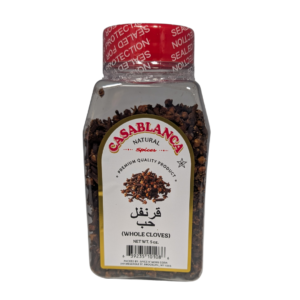
Add 1/2 teaspoon ground ginger or 3 slices fresh ginger and 3 whole cloves to the pot. Strain well. A favorite caffeine-free drink for cold nights.
Cinnamon and lemon verbena
Steep a few leaves of louiza in the hot infusion for 4 minutes off the heat for a soft, lemony cup. Try Safeya Louiza.
Iced cinnamon tea
Brew double strength, sweeten while hot, chill, then pour over ice with mint leaves and a squeeze of orange or lemon.
Sticks vs Ground Cinnamon for Tea
Both forms work, but they behave differently in water. Whole sticks release flavor slowly and give a clear, clean cup of cinnamon tea. Ground cinnamon infuses fast but does not dissolve, so it leaves a fine, slightly gritty sediment.
Using ground cinnamon
Use about 1/4 teaspoon per cup. Stir it into just-boiled water, steep 5 minutes, then pour through a paper coffee filter or very fine strainer. It is handy when you have no sticks, but the cup is cloudier.
Using sticks
Sticks need simmering, not just steeping. Pouring boiling water over a whole stick in a mug gives only a faint flavor even after 10 minutes. Breaking the stick and simmering it is the secret to a full-bodied cinnamon tea.

Brewing guide
| Form | Amount per cup | Method | Time |
|---|---|---|---|
| Cassia stick | 1/2 to 1 stick, broken | Simmer covered | 10 to 15 minutes |
| Ceylon stick | 1 stick, crumbled | Simmer gently | 8 to 10 minutes |
| Ground cinnamon | 1/4 teaspoon | Steep, then filter | 5 minutes |
| With green tea | 1/2 stick plus tea leaves | Simmer bark first, then add tea | Bark 8 minutes, tea 3 minutes |
8 tips for better cinnamon tea
Use fresh, cold water
Water that has been boiled several times tastes flat. Filtered water helps if your tap water is hard.
Break or crush the bark
Small pieces infuse much faster than whole sticks.
Simmer gently
A hard boil can turn the cup slightly bitter and drives off aroma. Small bubbles are enough.
Keep it covered
The fragrant oils evaporate easily. A lid keeps them in your cup.
Add tea leaves last
Green or black tea turns bitter if simmered for 15 minutes. Add it only for the final 3 minutes.
Sweeten to taste
Cinnamon already tastes slightly sweet, so start with less sugar than you think.
Make a concentrate
Simmer 4 sticks in 4 cups of water for 20 minutes. Keep it in the fridge for up to 3 days and dilute with hot water or milk.
Strain well
Fine bark splinters and clove buds are unpleasant to swallow. Use a fine sieve.
Is Cinnamon Tea Healthy? Honest Notes
General information only, not medical advice. Cinnamon tea is a pleasant, caffeine-free, low-calorie drink when you skip or limit the sugar. That alone makes it a nice swap for sweet sodas or a late-evening coffee.
Many websites make bold claims about cinnamon and blood sugar or weight loss. The NCCIH states that research does not clearly support cinnamon for any health condition, partly because studies often do not specify which species or plant part was used. If you have diabetes or another condition, keep following your doctor’s treatment plan.
The coumarin question
Cassia cinnamon contains coumarin, a natural compound linked to liver problems in sensitive people at high intakes. Germany’s Federal Institute for Risk Assessment (BfR) cites a tolerable daily intake of 0.1 mg of coumarin per kilogram of body weight, and measured cassia powders at roughly 2 to 4 grams of coumarin per kilogram of spice. Ceylon cinnamon contains only traces.
The same report notes that water-based extracts contain less coumarin than the powder itself. Still, if you drink several cups of cinnamon tea every day, Ceylon is the more cautious choice, and children need much smaller amounts.
| Question | Short answer |
|---|---|
| Does it contain caffeine? | No, unless you brew it with green or black tea. |
| Is it safe every day? | Food amounts are generally considered safe. For daily cups, choose Ceylon. |
| Pregnancy? | Food amounts appear safe, but ask your provider before drinking large amounts. |
| Medications? | Ask a health care provider if you take medicines or have liver disease. |
What to Serve With Cinnamon Tea
In North African homes, a hot drink almost always comes with something to nibble. It pairs naturally with foods that already use the spice.
Sweets and biscuits
Sellou, ghriba and almond cookies are classic matches. On a busy day, a packet of Henry’s cinnamon sablé biscuits or a box from our cookies and biscuits section does the job.
Dates and nuts
A few dates with a mug of cinnamon tea make an easy afternoon snack, and toasted almonds or walnuts echo the woody flavor of the bark.
Breakfast
Cinnamon milk is lovely with msemen, baghrir drizzled with honey, or bread with butter and jam.
After a rich meal
A small glass after couscous or a tagine feels light and settling. Many hosts like to offer it to guests who prefer to skip caffeine in the evening, alongside a plate of fresh orange slices dusted with a little ground cinnamon, a simple Moroccan dessert.


Buying and Storing Cinnamon
A good cup starts with fresh bark. In Moroccan souks, spice sellers keep cinnamon whole and grind it to order, because the aroma fades quickly once ground.
What to look for
- Sticks that smell strongly sweet and spicy when you snap one.
- Even color without dull gray patches or dampness.
- A sealed jar or pouch, not an open bag.
- The species on the label if you want Ceylon.
How to store it
Keep cinnamon in an airtight jar away from heat, light and the steam of the stove. Whole sticks hold their aroma much longer than ground cinnamon, which is best used within several months. A quick sniff tells you when it is time to restock.
Our Casablanca cinnamon sticks come in a sealed jar, and Casablanca ground cinnamon is ready for baking and quick cups.
Best Cinnamon Tea Essentials to Buy in the USA
Everything you need for cinnamon tea and its North African variations, shipped to all 50 states.
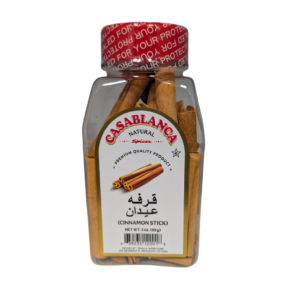 Best for brewingCasablanca Cinnamon Sticks
Whole bark in a sealed jar for clear, fragrant cups.
Shop now


Like a fresh herbal note? Add Tayeb dried mint, and check our shipping policy for delivery times.
Cinnamon Tea FAQs
How do you make cinnamon tea with sticks?
Break one 3-inch stick into pieces and put it in a small pan with about 1 1/2 cups of cold water. Bring it to a gentle simmer, cover and simmer for 10 to 15 minutes, rest 5 minutes, then strain and sweeten with honey or sugar.
Does cinnamon tea have caffeine?
No. Cinnamon bark is naturally caffeine free. Your cup will contain caffeine only if you brew the cinnamon with green or black tea, as in cinnamon mint atay.
Is Ceylon or cassia better for cinnamon tea?
Ceylon gives a mild, sweet, delicate cup and contains only traces of coumarin, so it suits daily drinking. Cassia is bolder and spicier and works well for occasional cups and milk drinks.
Can I make cinnamon tea with ground cinnamon?
Yes. Use about 1/4 teaspoon per cup, steep it in just-boiled water for 5 minutes and pour it through a paper coffee filter or very fine strainer, because ground cinnamon does not dissolve.
Is it safe to drink cinnamon tea every day?
Cinnamon in normal food amounts is generally considered safe. Cassia contains coumarin, which can affect the liver at high intakes, so daily drinkers may prefer Ceylon. Ask a health care provider if you are pregnant, have liver disease or take medication.
How do North Africans drink cinnamon?
In Morocco a cinnamon stick may go into the mint tea pot in winter, and cinnamon is simmered with ginger and cloves for warm evening drinks. Algerians often perfume coffee with cinnamon, and in Egypt a cinnamon drink called irfa is popular, often with milk.
Can I reuse cinnamon sticks?
Yes. Thick cassia sticks can usually flavor a second, lighter pot the same day. Rinse and dry them if you want to keep them for a day or two, but expect less flavor each time.
How long does cinnamon tea keep?
Brewed cinnamon tea or concentrate keeps in a covered jar in the fridge for up to 3 days. Reheat it gently or serve it over ice.
Further reading: NCCIH: Cinnamon · BfR: Coumarin in cinnamon
Brew Something Warm Tonight
Cinnamon, ginger, cloves, green tea and honey for every North African cup, delivered anywhere in the USA.
Shop Moroccan Spices Shop All Products