Chamomile Tea Benefits and How to Brew It Right
What chamomile tea is, what research really says about it, the best water temperature and steep time, gentle North African blends and the safety notes every tea drinker should know.
Chamomile tea is a caffeine-free herbal infusion made from the dried flower heads of the chamomile plant, prized for its soft, apple-like flavor and its long use as a calming evening drink. To brew it, pour about 8 oz of water just off the boil over 1 to 2 teaspoons of dried flowers, cover the cup and steep for 5 minutes, then strain. Research on its health effects is still limited, so enjoy it as a soothing ritual rather than a cure.
Your Complete Chamomile Guide
Chamomile tea is one of the most popular herbal teas in the world, and for good reason. It tastes gently sweet and floral, it contains no caffeine, and a warm cup at the end of the day feels like a small reset. In North Africa it is known as babounj, and dried chamomile flowers are a staple of every herb seller’s shelf.
This guide explains where chamomile comes from, what scientists have and have not confirmed, and how to brew a cup that tastes bright instead of dull. You will also find easy blends with herbs from our Moroccan herbs collection and pairing ideas from the wider tea time range.
Chamomile Tea at a Glance
What Is Chamomile Tea?
Chamomile tea is an infusion, sometimes called a tisane, made by steeping chamomile flowers in hot water. Because it contains no leaves from the tea plant, Camellia sinensis, it is naturally caffeine free.
The word chamomile covers several daisy-like plants in the Asteraceae family. According to Encyclopaedia Britannica, two species are used for tea and herbal remedies: German chamomile and Roman, or English, chamomile.
German vs Roman chamomile
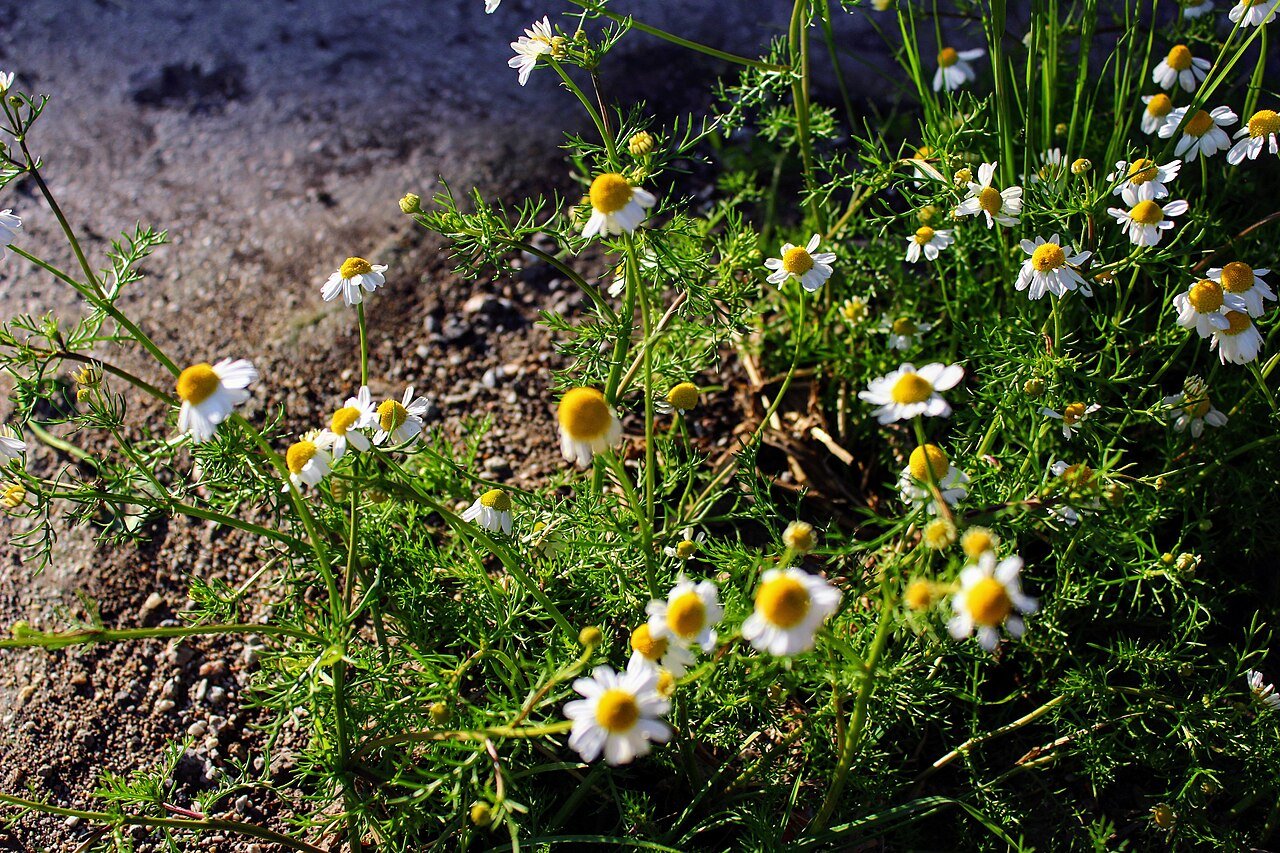
German chamomile (Matricaria chamomilla, also listed as Matricaria recutita) is an annual that grows 6 to 24 inches tall, with white petals around a domed yellow center. It is the type found in most tea bags and jars of dried flowers.
Roman chamomile (Chamaemelum nobile) is a low, creeping perennial, famous in Europe for fragrant lawns. Its flowers taste more bitter, so it is used less often for everyday tea.

Chamomile tea in North Africa
Across Morocco, Algeria and Tunisia, dried chamomile is sold by herbalists in souks alongside mint, verbena and wormwood. Many families keep a jar at home and brew babounj after a heavy meal, for an unsettled stomach or simply as a gentle evening drink when mint tea would be too strong.
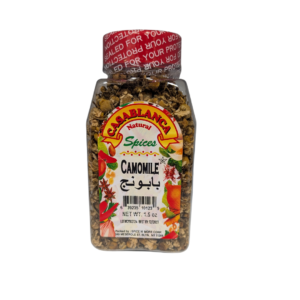
That everyday, homey role is what makes babounj special. It is not a ceremony like atay, but it is a comfort drink that grandmothers reach for first. Our Casablanca Camomile jar is packed in this tradition, with whole dried flowers rather than dust.
Chamomile Tea Benefits: What Research Says
General information only, not medical advice. Chamomile tea has been used for centuries for sleep, digestion and calm. Modern science is interested, but the evidence is thinner than many wellness sites suggest.
The US National Center for Complementary and Integrative Health (NCCIH) says there is not enough reliable research to judge whether chamomile helps most of the conditions it is promoted for. Here is an honest summary of the main claims.
Relaxation and anxiety
Preliminary studies suggest a chamomile supplement may help people with generalized anxiety disorder. Those studies used capsules, not tea, so a cup may feel relaxing without delivering the same dose.
Is chamomile tea good for sleep?
It is a classic bedtime drink, yet a 2019 review cited by NCCIH found one study on insomnia and it showed no benefit. The warm, caffeine-free ritual itself may still help you wind down.
After-meal comfort
Chamomile is traditionally used for indigestion. Research on chamomile alone is limited, though herbal combinations that include it have shown some promise for infant colic and childhood diarrhea.
Mouth irritation
Small studies suggest chamomile mouthwashes may ease mouth soreness caused by some cancer treatments. Talk to the care team before trying this.
What is inside the flowers
Chamomile contains flavonoids such as apigenin and luteolin, plus aromatic oils like bisabolol. These compounds are studied in the lab, which is not the same as proven effects in people.
A caffeine-free swap
The simplest benefit is practical: chamomile tea gives you a warm, flavorful drink in the evening without the caffeine of coffee, black tea or green tea.
How to Brew Chamomile Tea Step by Step
This method makes one generous mug. Scale it up by keeping the same ratio of flowers to water, and use a teapot with a lid for a larger batch.
Ingredients
- 1 to 2 teaspoons dried chamomile flowers (about 2 to 3 g), or 1 tea bag
- 8 oz (1 cup) fresh, filtered water
- Optional: 1 teaspoon honey, a slice of lemon or a sprig of mint
You will need
- A kettle or small saucepan
- A mug with a saucer or lid to cover it
- A fine strainer or tea infuser
Method
- Heat the water. Bring fresh water to a boil, then let it rest for about 30 seconds so it sits at roughly 200 to 212°F.
- Warm the mug. Swirl a splash of hot water in the mug and pour it out. A warm mug keeps the infusion hot while it steeps.
- Add the flowers. Put the chamomile in an infuser or straight into the mug. Whole flower heads give the cleanest flavor.
- Pour and cover. Pour the water over the flowers and cover the mug right away. The lid traps the fragrant oils that would otherwise float off with the steam.
- Steep for 5 minutes. Five minutes gives a full, sweet cup. Go to 7 or 8 minutes for a stronger bedtime brew.
- Strain and press. Remove the infuser or strain the tea, pressing the flowers gently with a spoon to release the last of the liquid.
- Finish to taste. Let the cup cool slightly, then stir in honey or lemon if you like. Sip while warm.
Making chamomile tea with fresh flowers
If you grow chamomile, pick flower heads on a dry morning once the petals are fully open. Use about twice the volume of fresh flowers, roughly 1 to 2 tablespoons per cup, and rinse them first to remove dust and tiny insects. The flavor is lighter and greener than dried flowers.
Iced and cold-brew versions
For iced tea, brew a double-strength cup with twice the flowers, cool it, and pour over ice. For cold brew, combine 2 tablespoons of flowers with 2 cups of cold water, refrigerate for 8 to 12 hours, then strain. Cold brewing gives a smooth, extra-sweet result with no bitterness.
Strength, Loose Flowers and Tea Bags
Most brewing mistakes come from two things: using too few flowers and pouring water that is not hot enough. Herbal teas need fuller heat than green tea to release their flavor.
Loose flowers vs tea bags
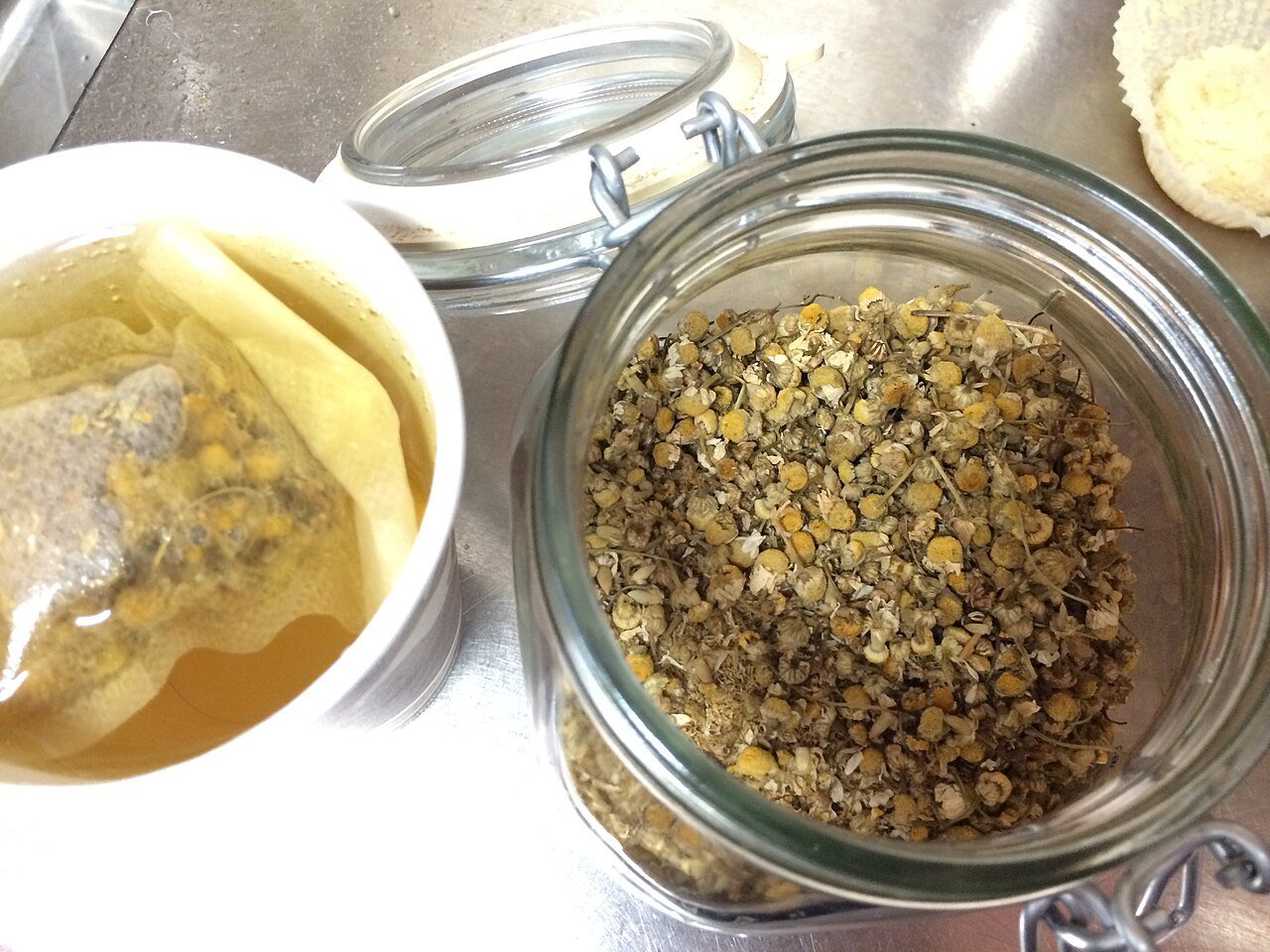
Tea bags are convenient, but many are filled with finely broken flowers and dust that lose aroma quickly. Whole dried flower heads usually smell sweeter and give a rounder cup. You can see the quality, too: look for yellow centers and pale petals, not brown crumbs.
If you prefer the convenience of bags, fill your own empty paper tea bags or a reusable infuser with loose flowers. You get the tidy cleanup and keep the fuller flavor.
Chamomile tea strength chart
| Style | Dried flowers per 8 oz | Steep time | Best for |
|---|---|---|---|
| Light | 1 teaspoon | 3 to 4 minutes | Afternoons, kids’ cups (diluted and cooled) |
| Classic | 1 to 2 teaspoons | 5 minutes | Everyday drinking |
| Strong | 1 tablespoon | 7 to 10 minutes | A deep bedtime cup |
| Iced | 2 teaspoons to 1 tablespoon | 5 to 7 minutes, then chill | Summer, poured over ice |
| Cold brew | 1 tablespoon | 8 to 12 hours in the fridge | Smooth, very mellow tea |
A longer steep makes the infusion stronger and slightly more herbal, but it rarely turns harsh the way black tea does. If your cup ever tastes bitter, the flowers may be old or the blend may contain stems and leaves.
North African Chamomile Tea Blends
In Maghrebi homes, herbs are often mixed. These pairings keep the gentle character of the flowers while adding a local twist.
Babounj with louiza
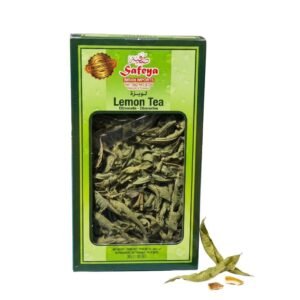
Lemon verbena (louiza) adds a bright citrus scent. Use equal parts chamomile and verbena for a calm, fragrant evening cup.
Chamomile and mint
A few dried mint leaves freshen the honeyed flavor without caffeine. Many Algerian families brew this after a rich dinner.
Floral orange blossom
Two or three drops of orange blossom water stirred into the cup make it taste like a Tunisian pastry shop.
More ways to vary your chamomile tea
Chamomile and lavender
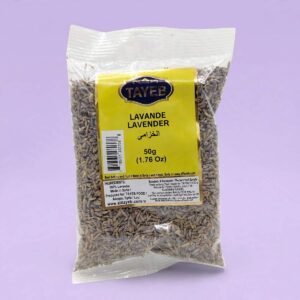
Add only a pinch of dried lavender, as it is strong and can taste soapy. Try Tayeb dried lavender.
Honey and lemon
A spoonful of Tayeb eucalyptus honey and a squeeze of lemon is the classic sore-day cup.
Cinnamon stick
Steep a small piece of cinnamon with the flowers for a cozy winter flavor. Find it among our Moroccan spices.
Chamomile tea latte
Brew a strong cup with half the water, then top with hot frothed milk and a little honey.
Herbal blend
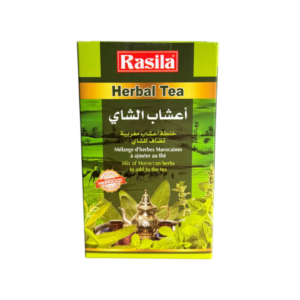
Mix chamomile into a pre-made bundle like Rasila herbal tea for a fuller, layered infusion.
Apple slices
A few thin slices of apple in the pot echo the natural apple notes in the flowers.
When to Drink Chamomile Tea
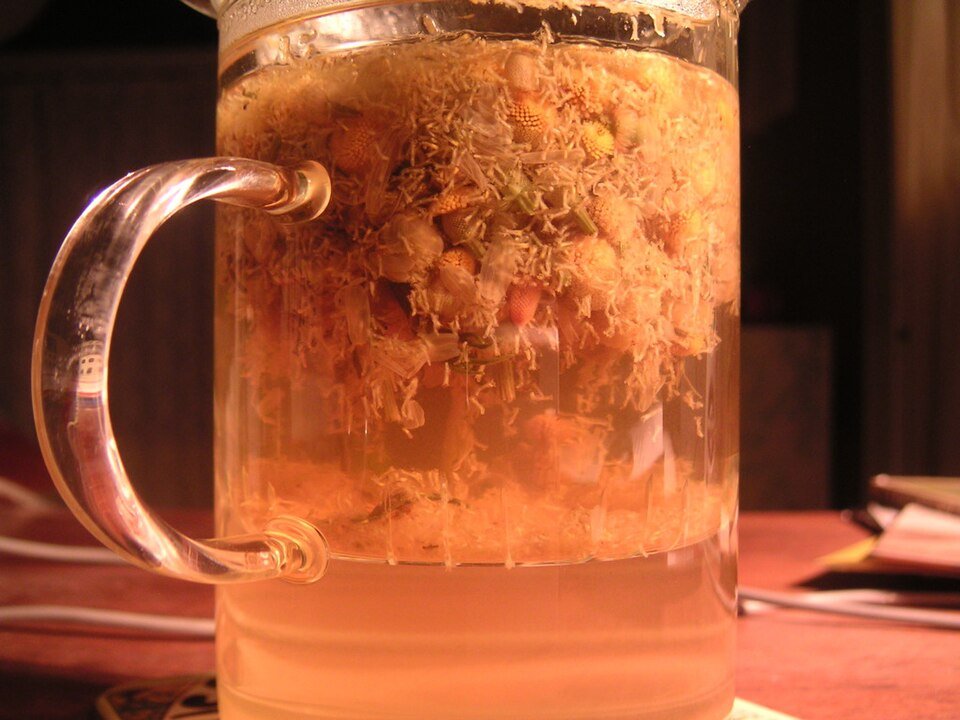
Because it has no caffeine, babounj fits almost any time of day. Still, most people reach for it in three moments.
After dinner
A warm cup after a big meal of couscous or tagine is a North African habit. It feels lighter than mint tea and will not keep you awake.
One hour before bed
Make a cup part of a wind-down routine: dim the lights, put the phone away and sip slowly. Drinking it about an hour before sleep also gives you time for a last bathroom trip.
With guests in the afternoon
Serve it with soft cookies for friends who avoid caffeine. Spofy madeleines and other Moroccan biscuits pair well with its mild sweetness.
How many cups of chamomile tea a day?
Many adults enjoy one to three cups a day. NCCIH describes chamomile as likely safe in the amounts usually found in teas, but there is no official daily limit, and people taking medicines should check with a pharmacist first.
Chamomile Tea Side Effects and Safety
General information only, not medical advice. For most people, this is a gentle drink. The US Food and Drug Administration lists chamomile as generally recognized as safe for use in food, and side effects are uncommon. A few groups should still take care.
Allergies
Chamomile belongs to the daisy family. People allergic to ragweed, chrysanthemums, marigolds or daisies are more likely to react to it. Reactions can include skin rashes, eye irritation and, rarely, severe allergic reactions.
Medicines
NCCIH notes reported interactions with warfarin and some drugs processed by the liver, and possible effects with sedatives. Chamomile may also have mild estrogen-like effects. Ask a health care provider if you take regular medication or birth control pills.
Pregnancy, breastfeeding and babies
Little is known about chamomile safety during pregnancy and breastfeeding, so ask your doctor or midwife first. The NIH LactMed database also notes that some loose chamomile sold in health food stores has been found to contain botulism spores, so never give homemade herbal tea to infants without medical advice, and never give honey to babies under 12 months.
| Question | Short answer |
|---|---|
| Does chamomile tea have caffeine? | No. Pure chamomile contains none. |
| Can it cause allergies? | Yes, especially if you react to ragweed or daisies. |
| Is it safe with medication? | Not always. Check with a pharmacist, especially for blood thinners. |
| Is it safe in pregnancy? | Evidence is limited. Ask your provider first. |
Buying and Storing Dried Chamomile
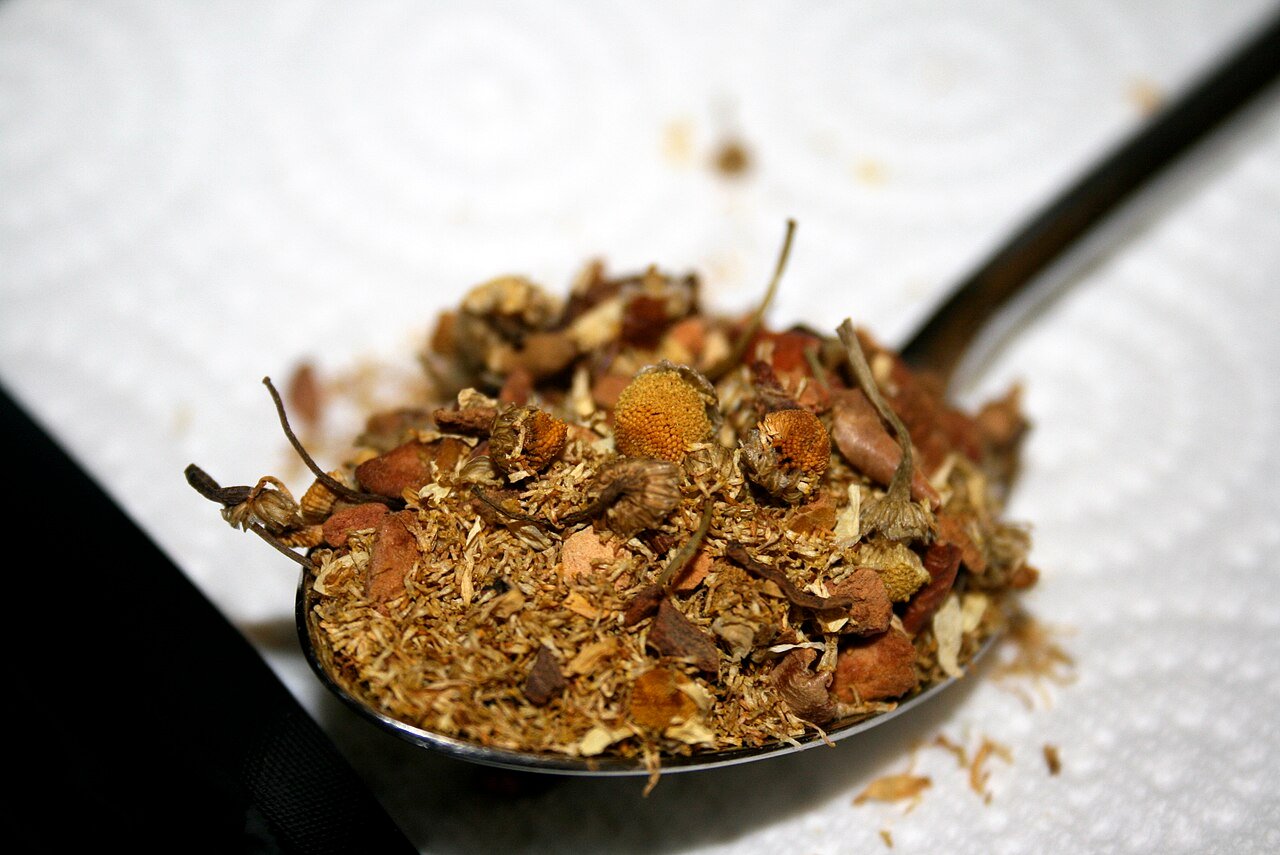
A good cup starts with good flowers. When you open a jar, it should smell sweet and a little like hay or apple. Dull, dusty or musty flowers will never make a bright cup.
What to look for
- Whole or mostly whole flower heads with visible yellow centers
- Few stems, leaves or powder at the bottom of the pack
- A sealed jar or bag that protects the flowers from light and moisture
- A clear label naming chamomile, so you know it is a single herb, not a blend
How to store it
Keep dried chamomile in an airtight jar in a cool, dark cupboard, away from the stove and from strong spices. Light and air fade the aroma first. For the best flavor, use opened flowers within several months, and always use a dry spoon.
Growing your own
German chamomile is easy to grow from seed in a sunny spot and often reseeds itself. Pick the flowers often, as frequent picking encourages new blooms. Dry them on a screen in a warm, airy, shaded place for one to two weeks, until they crumble easily, then store them like store-bought flowers.
Best Chamomile Tea Essentials to Buy in the USA
Dried chamomile and the North African herbs that blend beautifully with it, shipped to all 50 states.


Browse more dried herbs and see our shipping policy for delivery times.
Chamomile Tea FAQs
What does chamomile tea taste like?
It tastes mild, floral and naturally sweet, with notes many people compare to honey or apple. A longer steep gives a fuller, slightly more herbal flavor.
Does chamomile tea have caffeine?
No. Chamomile is an herbal infusion made from flowers, not from the tea plant, so pure chamomile contains no caffeine. Blends that add green or black tea do contain caffeine.
How long should I steep chamomile tea?
Steep it for about 5 minutes in water just off the boil, with the cup covered. Go up to 7 to 10 minutes for a stronger cup. Chamomile rarely turns bitter, so a longer steep is forgiving.
Is chamomile tea good for sleep?
It is a popular bedtime drink, but research is limited and one study on insomnia showed no benefit. Many people still find the warm, caffeine-free ritual relaxing before bed.
Can I drink chamomile tea every day?
Many healthy adults drink one to three cups a day, and chamomile is considered likely safe in the amounts found in tea. If you take medication, are pregnant or have allergies to daisy-family plants, ask a health care provider first.
Who should avoid chamomile tea?
People allergic to ragweed, daisies, marigolds or chrysanthemums should be cautious. Anyone taking warfarin, sedatives or hormone medicines, and anyone pregnant or breastfeeding, should check with a provider before drinking it regularly.
Is loose chamomile better than tea bags?
Whole dried flower heads usually keep more aroma than the finely broken flowers in many tea bags, so they often taste sweeter and fuller. Bags are fine when convenience matters more.
What is chamomile called in Morocco?
In Morocco and across North Africa, chamomile is usually called babounj, from the Arabic name. It is sold dried by herbalists and brewed as a gentle home remedy and evening drink.
Further reading: NCCIH: Chamomile · NIH LactMed: Chamomile · Britannica: Chamomile
Brew a Calming Cup Tonight
Dried chamomile, verbena, mint and honey for a cozy chamomile tea ritual, delivered anywhere in the USA.
Shop Moroccan Herbs Shop All Products