Baghrir Moroccan 1000-Hole Pancakes Made Easy
How to make baghrir with a blender batter, why the holes form, how to fix flat or gummy pancakes, and the honey butter syrup that makes them irresistible.
Baghrir is a soft, spongy Moroccan pancake made from a thin semolina batter leavened with yeast and baking powder, cooked on one side only until the top is covered in hundreds of tiny holes. That is why it is called the thousand-hole pancake. The batter is blended in a minute, rested for about 30 minutes, then ladled into a medium-hot pan for 1 to 2 minutes. Serve baghrir warm, soaked in melted butter and honey, with a glass of mint tea.
Your Complete Baghrir Guide
Few breakfast foods are as fun to watch as these pancakes. You pour a pale, thin batter into a pan, and within seconds the surface begins to bubble, pop and open into a honeycomb of little craters. No flipping, no folding, no special skill. Just patience and the right heat.
These pancakes are a favorite across Morocco, Algeria and Tunisia, especially at breakfast, with afternoon tea and at iftar during Ramadan. Below you will find a reliable home recipe, the simple science behind the holes, fixes for the most common problems and serving ideas, along with useful staples from our Moroccan baking essentials and baking essentials collections.
Baghrir at a Glance
What Is Baghrir and What Is It Called?
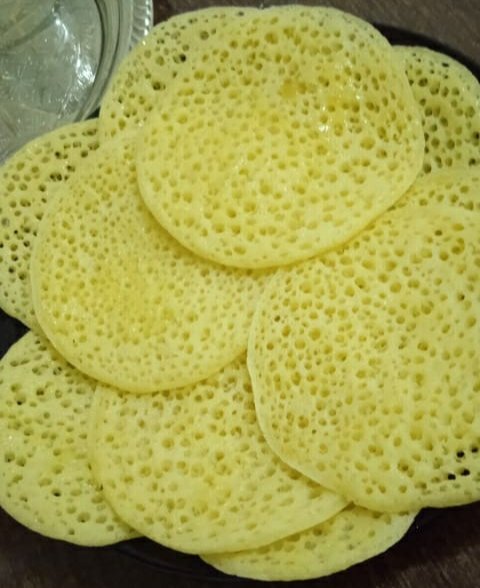
Baghrir is a small, round, yeasted pancake from the Maghreb. It is cooked on a hot griddle without being turned, so the underside stays smooth and lightly golden while the top dries into a pale sponge riddled with holes. Those holes are not decoration. They soak up syrup like a sponge, which is the whole point.
The name changes as you travel. Moroccans usually say baghrir or beghrir, while in Tunisia and eastern Algeria you may hear ghrayef. The Wikipedia entry on the pancake lists several regional names and notes that in Algeria and Morocco the pancakes are usually dipped in a honey and butter mixture.
In Moroccan homes the pancakes appear at weekend breakfasts, at the afternoon tea table and almost every evening during Ramadan, next to harira soup, dates and boiled eggs. Because the batter needs no kneading, it is often the first pancake children learn to make.
A tradition of sharing
The dish is closely tied to hospitality. A plate of warm pancakes is a common way to welcome guests, and many families make a big batch for neighbors during Ramadan.
In Algeria, the Mozabite community of the M’zab valley is known for exchanging these pancakes and giving them to people in need on the ninth day of Ramadan.
Baghrir Ingredients Explained
The ingredient list is short. What matters most is the balance between semolina, liquid and leavening.
Fine semolina
Fine durum wheat semolina gives the pale yellow color and the tender, slightly grainy crumb. Use fine, not coarse, semolina. Our store does not sell semolina or flour, so look for “fine semolina” in the baking or international aisle of your supermarket.
A little flour
A few spoonfuls of all-purpose flour help the batter hold together so the pancakes are easier to lift.
Yeast and baking powder
Yeast produces gas slowly while the batter rests, and baking powder gives a second burst of bubbles in the hot pan. Together they create the holes. Sboula instant dry yeast and Nouara baking powder are both pantry favorites in North African kitchens.
Warm water, salt and a pinch of sugar
Warm water, around 100 to 110°F, wakes up the yeast. A pinch of sugar feeds it, and salt brings out the flavor.
How to Make Baghrir Step by Step
This recipe makes 16 to 20 pancakes of about 5 to 6 inches. Allow 5 minutes to blend, 30 minutes of rest and about 25 minutes at the stove.
Batter
- 2 cups (330 g) fine semolina
- ¼ cup (35 g) all-purpose flour
- 2¼ teaspoons (1 packet, 7 g) instant dry yeast
- 1 teaspoon baking powder
- 1 teaspoon sugar
- ½ teaspoon salt
- About 2¾ cups (650 ml) warm water
Honey butter syrup
- 4 tablespoons (55 g) unsalted butter
- 4 tablespoons honey
- Optional: 1 teaspoon orange blossom water
You will need
- A blender
- A nonstick pan or well-seasoned cast-iron skillet
- A small ladle and a clean kitchen towel
Method
- Blend the batter. Put the semolina, flour, yeast, sugar, salt and warm water in a blender. Blend for 1 to 2 minutes until completely smooth and slightly frothy.
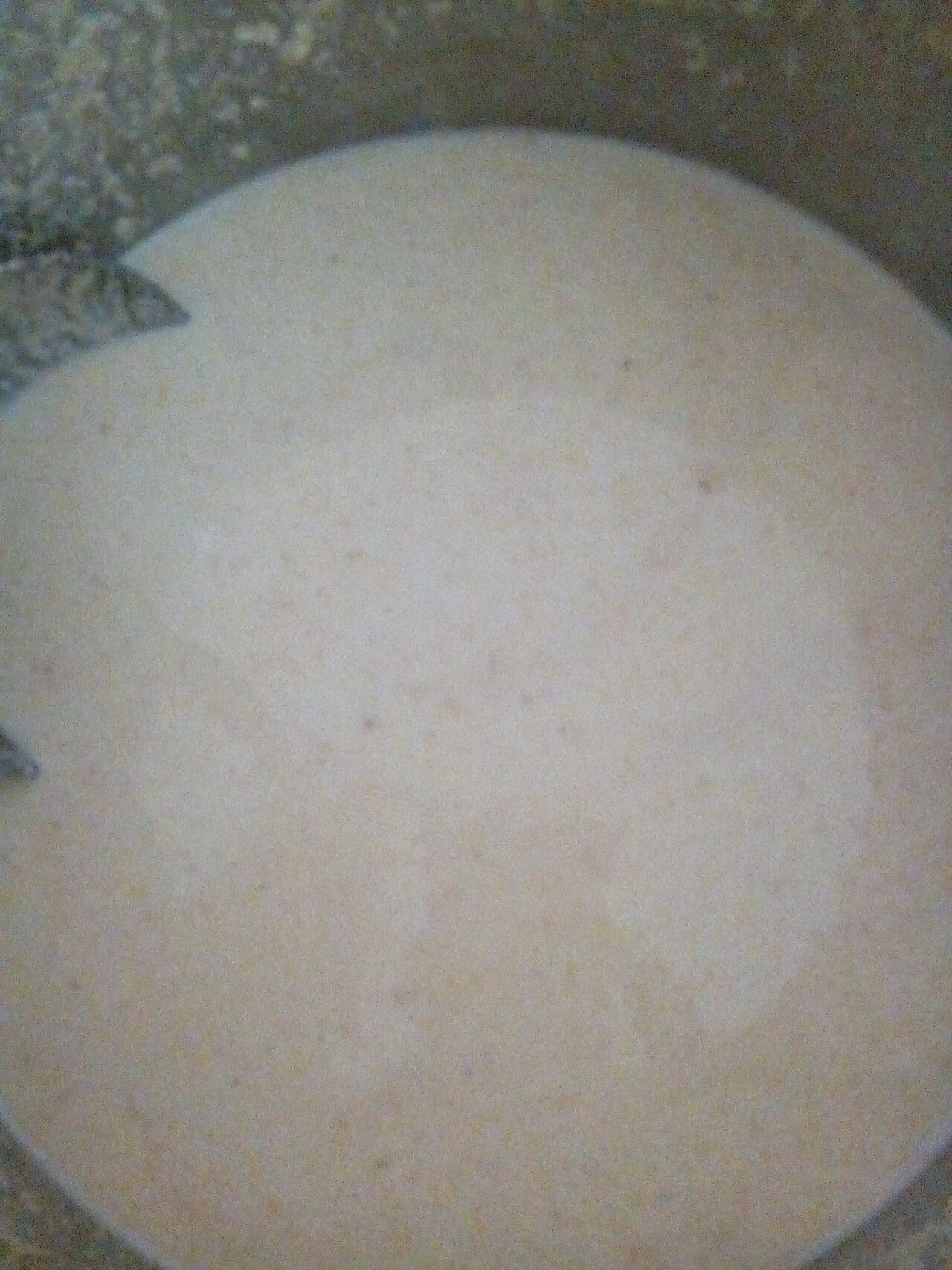
- Add baking powder. Add the baking powder and blend for 10 more seconds. The batter should be thin and pourable, like drinkable yogurt.
- Rest. Pour into a large bowl, cover loosely and leave in a warm spot for 20 to 30 minutes, until the surface is dotted with small bubbles.
- Heat the pan. Warm a dry pan over medium heat for a few minutes, then turn it down to medium-low. Do not add oil.
- Pour and wait. Stir the batter gently. Pour a small ladle, about ⅛ to ¼ cup, into the center and let it spread on its own. Do not swirl the pan.
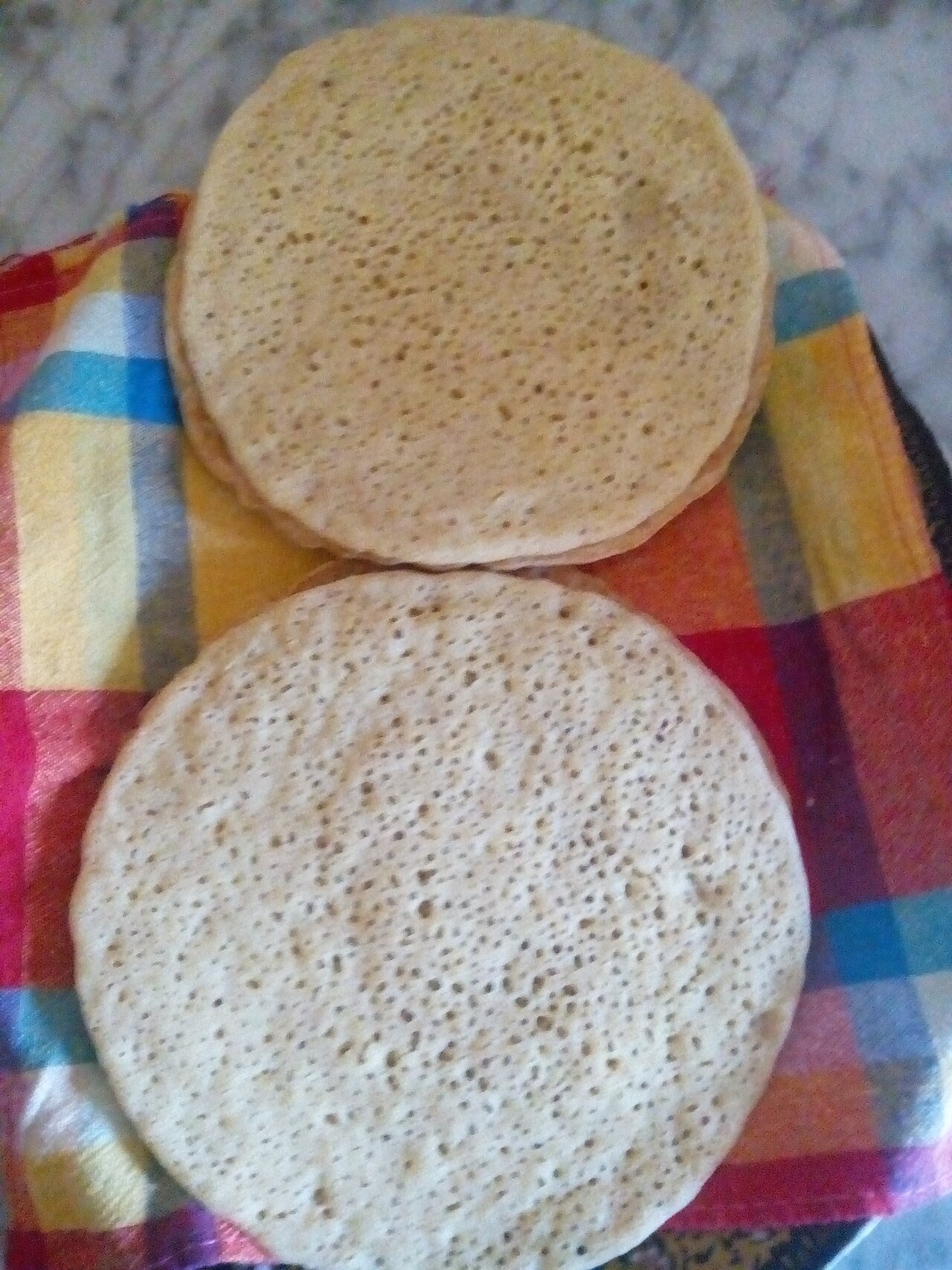
- Cook one side only. Holes appear within seconds. Cook for 1 to 2 minutes, until the top looks dry and no wet batter remains. Do not flip.
- Cool on a towel. Lift each pancake onto a clean towel in a single layer for a minute or two before stacking, so they do not stick together.
No blender? Use a whisk
You can make the batter by hand. Whisk the dry ingredients, add the water slowly and whisk hard for 3 to 4 minutes. The batter may take a little longer to become smooth, and you may get slightly fewer holes, but the pancakes will still be soft and spongy.
Choosing the right pan
A small 6 to 8-inch nonstick pan is the easiest way to start, because you can cook one perfect round at a time. Experienced cooks often use a large griddle or two pans at once.
Why Baghrir Gets a Thousand Holes
The holes are simply escaping gas. While the batter rests, yeast feeds on the sugar and starch and produces carbon dioxide. When the batter hits the hot pan, the baking powder adds more gas and the water starts turning to steam.
All of that gas rises and bursts through the surface. Because the pancake is not flipped, the top sets around each bubble as it pops, leaving an open crater behind. A thin batter lets bubbles travel freely, which is why consistency matters so much.
Three conditions for perfect holes
Active yeast that has had time to work. Thin batter that bubbles can rise through. Steady medium heat that sets the top gradually rather than scorching the bottom.
What a good one looks like
The top is pale cream with holes from the center to the edge. The bottom is smooth and only lightly golden, never dark brown. The texture is soft, bouncy and slightly moist.

8 Baghrir Problems and How to Fix Them
Nearly every issue comes down to the batter’s thickness, the yeast or the heat. Adjust one thing at a time and test with a single pancake.
No holes or very few
The batter is too thick or under-rested, or the yeast is old. Add warm water a tablespoon at a time, rest 10 more minutes and check your yeast’s date.
Holes only in the center
The pan is not evenly hot. Preheat longer and use a heavier pan, or move the pan slightly on the burner.
Huge, uneven holes
The heat is too high or the batter is too thin. Lower the heat and whisk in a spoonful of semolina.
Dark brown bottom
Lower the heat to medium-low. The pancake should be pale on the underside, not like a golden American pancake.
Wet or gummy top
Leave it in the pan a little longer, until the surface no longer looks shiny. Cooking on lower heat for longer helps.
Pancakes stick together
They were stacked too soon. Cool each one on a towel in a single layer first, then stack.
Pancake sticks to the pan
The pan surface is damaged or too cool. Use a good nonstick pan, or wipe cast iron with a drop of oil on paper towel, then wipe it off.
Batter thickens as you cook
Semolina keeps absorbing water. Stir in a splash of warm water halfway through the batch to keep it pourable.
Honey Butter Syrup and Baghrir Toppings
The classic way to eat them is drenched in warm honey butter. Melt the butter and honey together over low heat, add a few drops of orange blossom water if you like, then spoon it over a stack or dip each pancake.
Honey and butter
Use a fragrant honey such as Tayeb eucalyptus honey. Equal parts honey and butter is the traditional ratio.
Orange blossom syrup
A teaspoon of Samra orange blossom water in the syrup gives a festive, perfumed finish.
Jam and cream cheese
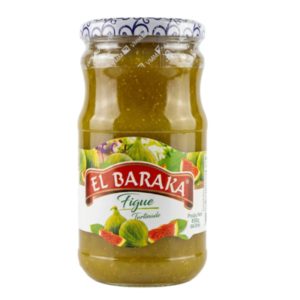
Spread with El Baraka fig jam or Aïcha strawberry jam and a little soft cheese.
Sugar and butter
Brush with melted butter and sprinkle with sugar, or try Alsa orange blossom sugar.
Olive oil and olives
Dip in good olive oil such as Mina Moroccan extra virgin olive oil and serve with olives and eggs.
Rolled pancakes
Roll a pancake around a spoonful of honey butter or jam for an easy lunchbox snack.

The perfect pot of tea
These pancakes and mint tea are a natural pair. Brew a pot with Sultan Grain Ambar green tea, fresh mint and sugar, and browse our tea time collection for more blends.
Build a Ramadan table
For iftar, serve the pancakes with dates, harira, boiled eggs, msemen and a jug of milk or juice. A bowl of honey butter in the middle lets everyone dip their own.
A hint of spice
Some cooks add a pinch of ground anise or a little orange zest to the batter. Keep it subtle so the honey still shines.
Baghrir vs Other Pancakes
This pancake is often compared to crumpets and to other Moroccan breakfast breads. Here is how they differ.
| Bread | Main grain | Cooking | Texture |
|---|---|---|---|
| Baghrir | Fine semolina and a little flour | One side, no flipping | Spongy, full of holes |
| Msemen | Flour and semolina dough | Folded, cooked both sides | Flaky, layered |
| Harcha | Semolina and butter | Griddle, both sides | Crumbly, like a scone |
| British crumpet | Wheat flour | In a ring, mostly one side | Thick, chewy, holey |
| American pancake | Wheat flour, eggs, milk | Flipped | Fluffy, closed crumb |
Beghrir
Usually made with semolina and served with honey butter at breakfast, tea time and iftar. Street stalls and cafes often sell them by the stack.
Baghrir and m’layin
Popular across the country with honey and butter. In the M’zab valley, the Ramadan pancakes are known as m’layin and are shared with neighbors.
Ghrayef
In Tunisia the same style of pancake is often called ghrayef, served warm with honey or jam at breakfast and on special mornings.
Storing and Reheating Baghrir
The pancakes are best fresh, but it keeps well. Once the pancakes are completely cool, stack them with a sheet of parchment between each one and wrap them tightly. Store the syrup separately and add it only when serving.
For longer storage, freeze them flat in a freezer bag. The USDA explains that food kept frozen at 0°F stays safe indefinitely, though quality slowly fades, in its freezing and food safety guide. For the best texture, eat frozen pancakes within about 2 to 3 months.
Leftover batter
Leftover batter can be refrigerated, covered, for up to a day. It will thicken and lose some lift, so let it warm up, whisk in a little warm water and a pinch of fresh baking powder before cooking.
| Storage | How long | How to reheat |
|---|---|---|
| Room temperature, wrapped | Same day to overnight | Dry skillet, 30 to 60 seconds, holey side up |
| Refrigerator | 2 to 3 days | Skillet over low heat, or a few seconds in the microwave |
| Freezer | Best within 2 to 3 months | Thaw at room temperature, then warm in a skillet |
| Batter, refrigerated | Up to 1 day | Thin with warm water and add fresh baking powder |
Best Baghrir Pantry Picks to Buy in the USA
You will find semolina at most supermarkets. These North African staples help with the batter and everything you pour over it.
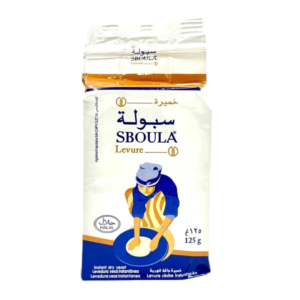 For the holesSboula Instant Dry Yeast
A Moroccan kitchen staple that works straight into the blender.
Shop now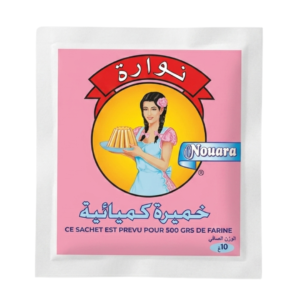


 Perfect pairingSultan Grain Ambar No.16
Gunpowder green tea for the mint tea that belongs beside every stack.
Shop nowPlanning a Ramadan or weekend brunch? Browse the full shop and check our shipping policy for delivery times to your state.
Baghrir FAQs
What is baghrir made of?
Baghrir is made from fine semolina, a little all-purpose flour, instant yeast, baking powder, warm water, salt and a pinch of sugar. The ingredients are blended into a thin batter, rested and cooked on one side only.
Why does my baghrir have no holes?
Usually the batter is too thick, it has not rested long enough or the yeast is old. Thin the batter with a little warm water, let it rest until bubbly and cook on steady medium-low heat.
Do you flip baghrir?
No. It is cooked on one side only, for about 1 to 2 minutes, until the top is dry and full of holes. Flipping would close the holes and flatten the spongy texture.
Can I make baghrir without semolina?
You can use all flour, but the texture changes. Pancakes made only with flour are softer and closer to a crumpet, and they are less pale and grainy than the traditional version.
Is baghrir the same as a crumpet?
They are similar because both are yeasted and full of holes, but they are not the same. Baghrir is thinner, made mostly with semolina and cooked freely in a pan, while a crumpet is thicker, made with wheat flour and cooked in a ring.
Can I make baghrir batter ahead of time?
Yes, up to a day ahead. Keep it covered in the refrigerator, let it warm up, then whisk in a little warm water and a pinch of fresh baking powder before cooking.
How do you eat baghrir?
The classic way is with warm melted butter and honey poured over the top or used as a dip, often with mint tea. Jam, cream cheese, sugar and olive oil are also popular toppings.
Can you freeze baghrir?
Yes. Cool the pancakes completely, stack them with parchment between each one and freeze in a sealed bag. For the best texture, eat them within about 2 to 3 months and warm them in a skillet.
Further reading: Baghrir (Wikipedia) · The Mediterranean Dish: Baghrir · USDA: Freezing and Food Safety
Make Your First Stack This Weekend
Yeast, honey, orange blossom water, jams and tea for a true Moroccan breakfast, delivered anywhere in the USA.
Shop Baking Essentials Shop All Products