Argan Oil for Skin Benefits, Uses and How to Buy Pure Oil
What Morocco’s liquid gold really does for your face and body, what the research says, how to use it for every skin type and how to tell pure oil from a fake.
Argan oil for skin is a lightweight, vitamin E-rich plant oil pressed from the kernels of the Moroccan argan tree, used mainly to moisturize, soften and protect dry or mature skin. It is about 80% unsaturated fats, mostly oleic and linoleic acid, plus natural tocopherols and sterols. Small studies suggest it can improve skin hydration and elasticity, but large trials are still missing. Use 2 to 4 drops on damp skin, patch test first and buy 100% pure, cold-pressed oil in a dark bottle.
Your Complete Argan Oil for Skin Guide
Few beauty products have a story as rich as argan oil for skin. For generations, Amazigh (Berber) women in southwest Morocco have cracked argan nuts by hand, pressed the kernels and used the golden oil on their faces, hands, hair and babies. Today the same oil sits in luxury serums around the world.
This guide separates tradition, science and marketing. You will learn what is inside the oil, what it can and cannot do, simple routines for dry, oily and sensitive skin, and how to choose a real bottle from our Moroccan argan oil collection or the wider range of Moroccan cosmetics.
Argan Oil for Skin at a Glance
What Is Argan Oil?
Argan oil comes from the argan tree, a hardy, thorny tree that grows naturally in the dry southwest of Morocco, around Agadir, Essaouira and the Souss valley. The tree produces a small fruit with a fleshy green skin. Inside is a very hard nut, and inside that nut are one to three small, almond-shaped kernels.
Those kernels are where the oil lives. It takes a lot of fruit and many hours of work to make a single liter, which is why real argan oil is never cheap.
Cosmetic vs culinary argan oil
There are two main kinds. Cosmetic argan oil is pressed from raw, unroasted kernels. It has a light golden color and a very faint, slightly nutty smell. Culinary argan oil is pressed from roasted kernels, so it is darker and smells strongly of toasted nuts. For argan oil for skin, always choose the cosmetic, unroasted kind.
Cold pressed matters
Good cosmetic oil is cold pressed, meaning it is pressed mechanically without high heat or chemical solvents. This helps protect the delicate fats and natural vitamin E.

What Is Inside Argan Oil for Skin?
The way argan oil for skin behaves comes down to its chemistry. Published analyses show that about 80% of its fats are unsaturated. The two biggest are oleic acid, which is softening and nourishing, and linoleic acid, an essential fatty acid that is part of the skin’s natural barrier.
| Component | Typical share | What it does on skin |
|---|---|---|
| Oleic acid (omega-9) | About 43 to 49% | Softens and nourishes very dry areas |
| Linoleic acid (omega-6) | About 29 to 36% | Supports the lipid barrier that holds in water |
| Palmitic acid | About 11 to 15% | Adds richness and body |
| Stearic acid | About 4 to 7% | Helps form a light protective film |
| Tocopherols (vitamin E) | Small amount, mostly gamma-tocopherol | Antioxidant; also keeps the oil stable |
| Sterols and squalene | Under 1% (unsaponifiable fraction) | Soothing, skin-conditioning compounds |
This balance of oleic and linoleic acid sits between heavy oils like olive oil and very light oils like grapeseed. That is a big reason argan oil for skin feels nourishing without being too greasy for most people.
8 Benefits of Argan Oil for Skin
These are the most common reasons people use argan oil for skin. Some are well supported, others are based mostly on tradition and small studies, so we note the evidence honestly.
Locks in moisture
As an emollient, it seals water into the skin. Small studies in postmenopausal women found less water loss through the skin after regular use.
Smooths rough patches
Oleic acid softens dry elbows, knees, heels and cuticles. Results are visible within days for most people.
Supports the skin barrier
Linoleic acid is a building block of the lipids that keep skin calm and comfortable, especially in winter.
May improve elasticity
One 60-day study in 60 postmenopausal women reported better skin elasticity with argan oil, though more research is needed.
Adds vitamin E
Tocopherols are antioxidants. They help protect the oil itself and may offer light support against everyday environmental stress.
A light option for oily skin
A small study of a cream containing argan oil found less visible shine after 4 weeks, but argan was not tested alone.
Comforts dry, tight skin
It soothes skin that feels tight after sun, wind or hot showers. It is not a sunscreen and gives no meaningful UV protection.
Face, body, hair and nails
One small bottle of argan oil for skin covers face, body, cuticles, beard and hair ends, so it is great for travel.
What the Research Says About Argan Oil for Skin
General information only, not medical advice. Interest in argan oil for skin is high, but the scientific evidence is still limited. Most studies are small, short and often use creams that mix argan oil with other ingredients.
| Area | What small studies found | Strength of evidence |
|---|---|---|
| Hydration | Less water loss and more moisture in the outer skin layer with nightly use for about 2 months | Small studies, mainly in postmenopausal women |
| Elasticity | Better elasticity after 60 days of topical and dietary argan oil | One small trial of 60 women |
| Oily skin | Less sebum after 4 weeks with a cream containing argan oil | Combination product, about 20 people |
| Acne and eczema | Early lab and anecdotal reports only | Not proven |
A 2024 review in the journal Nutrients, The Importance of Argan Oil in Medicine and Cosmetology, summarizes this research and concludes that larger, well-designed studies are needed. In other words, argan oil for skin is a good moisturizer, not a miracle cure.
Safety and allergies
Argan oil for skin is generally well tolerated, but allergic contact reactions have been reported in medical case reports. Anyone with a known allergy to argan or to tree nuts should be cautious and ask a doctor first. If you have eczema, rosacea, acne or a skin condition under treatment, talk to a dermatologist before adding new oils.
How to Use Argan Oil for Every Skin Type
The best way to use argan oil for skin depends on how your skin behaves. Here is a simple starting point for each type.
| Skin type | How much | When | Tip |
|---|---|---|---|
| Dry | 3 to 4 drops | Morning and night | Press over your moisturizer to seal it in. |
| Normal | 2 to 3 drops | Night | Use alone on damp skin after cleansing. |
| Mature | 3 to 4 drops | Night | Massage gently upward on face and neck. |
| Oily or combination | 1 to 2 drops | Night, a few times a week | Use on dry zones only and watch for breakouts. |
| Sensitive | 1 to 2 drops | Night | Choose unscented oil and patch test first. |
| Body | A small palmful | After a shower | Apply to damp skin and pat dry. |
Rich comfort
Dry and flaky skin usually loves argan oil for skin, especially in cold, heated rooms. Layer it over a water-based cream at night.
Use a light hand
Oil can still help oily skin feel balanced, but more is not better. Start with one drop mixed into your moisturizer and see how your skin responds.
Keep it simple
Fragrance is a common irritant. Pick a pure, unscented oil, introduce it alone and avoid using it with strong acids on the same night.
How to Apply Argan Oil for Skin Step by Step
This simple routine works for most people using argan oil for skin on the face. It takes about two minutes.
You will need
- A gentle cleanser or Moroccan black soap
- Rose water or plain water in a spray bottle
- 2 to 4 drops of pure cosmetic argan oil
- Your usual moisturizer (optional)
- Sunscreen for the morning
Method
- Cleanse. Wash with a mild cleanser and lukewarm water. Hot water strips natural oils.
- Leave skin damp. Pat your face lightly so it is still a little wet, or mist it with rose water. Oil spreads better and traps that water in.
- Warm the oil. Put 2 to 4 drops in your palm and rub your hands together for a few seconds.
- Press, do not rub. Press your palms onto your cheeks, forehead, chin and neck, then smooth outward in gentle strokes.
- Wait a minute. Give the oil about a minute to sink in before makeup or pillow time.
- Protect in the morning. If you use it during the day, follow with a broad-spectrum sunscreen.
Other ways to use argan oil for skin and body
After-shower oil
Smooth a few drops over damp arms and legs for soft skin without a heavy lotion.
Cuticle and nail care
Rub one drop into each cuticle at night to soften dry, ragged edges.
Heel softener
Massage into heels after a foot soak, then wear cotton socks overnight.
Beard and shave
A drop or two softens beard hair and calms skin after shaving.
Dry lips
Pat a tiny drop onto dry lips before bed for a simple overnight treatment.
Ends and frizz
Warm one drop between your palms and smooth it over dry hair ends.
Moroccan Beauty Pairings With Argan Oil
In Morocco, argan oil for skin is usually the last step of a longer ritual. The traditional hammam starts with steam, moves to cleansing and exfoliation, and ends with oil to soothe the freshly scrubbed skin.
Black soap first
Moroccan black soap, called beldi soap, is a soft paste made with olive oil. It is smoothed onto wet skin in a steamy room, left for a few minutes and rinsed. A version that already contains argan, such as Terre d’Oleane black soap with argan oil, ties the whole ritual together. Explore the full Moroccan black soap range for other scents.
Rose water as a toner
Rose water is a classic Moroccan toner, especially from the Dades valley, known for its rose harvest. Misting your face with Mazyana rose water before your oil helps the drops glide on and adds a light floral scent.
A simple weekly ritual at home
- Take a hot shower for 5 to 10 minutes to soften the skin.
- Apply black soap, wait about 5 minutes, then rinse.
- Exfoliate gently with a scrubbing glove, never on broken or irritated skin.
- Rinse, mist with rose water and finish with argan oil on damp skin.
Once a week is plenty for exfoliation. Daily scrubbing can irritate even healthy skin. For a gentle soap on other days, try a bar like Mazyana prickly pear soap.
How to Spot Pure Argan Oil
Because real argan oil is expensive to make, some products are diluted with cheaper oils or contain only a little argan. The 2024 Nutrients review also notes that adulteration is a known problem. These checks help you buy real argan oil for skin.
1. Read the ingredient list
Pure oil lists one ingredient: Argania Spinosa Kernel Oil. If you see silicones, mineral oil, other plant oils or “fragrance” first, it is a blend.
2. Check the bottle
Light breaks down the oil, so dark glass or a protective box is ideal. If your bottle is clear, keep it in its box or a dark cupboard.
3. Smell and color
Cosmetic oil is light golden and smells faintly nutty or almost of nothing. A strong toasted smell means culinary oil; a sharp, crayon-like smell means it has gone rancid.
4. Feel
Real argan oil is silky and absorbs within a few minutes. It should not feel watery or leave a sticky film.
5. Price and origin
A price that seems too good to be true usually is. Look for oil produced in Morocco, ideally with the producer named on the label.

| Sign | Likely pure | Be careful |
|---|---|---|
| Ingredients | Argania Spinosa Kernel Oil only | Long list, silicones or other oils |
| Color | Light gold | Very pale or dark brown |
| Scent | Faint, nutty | Strong toasted, perfume or rancid |
| Storage | Dark glass or boxed | Left in sun or heat |
| Price | Reflects hard labor | Suspiciously cheap |
How to store argan oil for skin
Keep the bottle tightly closed in a cool, dark cupboard, not on a sunny windowsill or next to a hot shower. Research on argan oil storage found that quality held up well at room temperature when protected from light but dropped quickly at high heat. As a simple rule, try to finish an opened bottle within about 6 to 12 months, and toss it if it smells off.

The Argan Tree and Its People
The argan tree is a survivor. Its deep roots hold soil in place at the edge of the Sahara, and it can live for a very long time in heat and drought. In 1998 UNESCO named the Arganeraie area of southwest Morocco a biosphere reserve to protect this unique forest.
In 2014 UNESCO also added the practices and know-how concerning the argan tree to its list of intangible cultural heritage. The skills are passed down mainly by rural women, who teach their daughters how to crack the nuts and extract the oil. The United Nations now marks May 10 as the International Day of Argania.
Women’s cooperatives
Many bottles of argan oil for skin today come from women’s cooperatives, which help provide income to rural families. When you buy authentic Moroccan argan oil, you support that work.
Harvest
Ripe fruit falls in summer and is gathered and dried. Goats famously climb the trees to eat the fruit, a sight many visitors photograph near Essaouira.
Cracking by hand
Women crack each hard nut between two stones to free the kernels. It is slow, skilled work and the heart of the tradition.
Pressing
Raw kernels are pressed for cosmetic oil; roasted kernels make culinary oil and the almond spread amlou.


Best Argan Oil for Skin to Buy in the USA
Authentic argan oil for skin and hammam essentials, shipped to all 50 states.
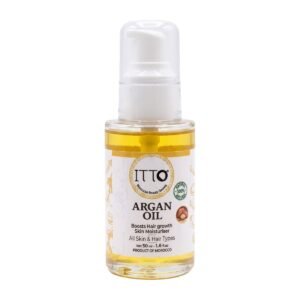

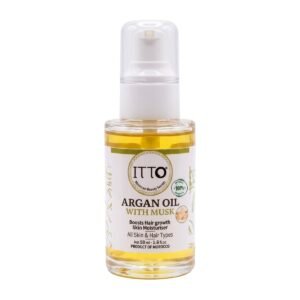
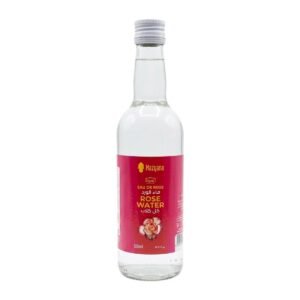
 Hammam stepTerre d’Oleane Black Soap with Argan
Traditional beldi soap enriched with argan oil.
Shop now
Scented oils are lovely for the body, but for the face and sensitive skin we suggest the pure, unscented oil. Check our shipping policy for delivery times.
Argan Oil for Skin FAQs
Is argan oil for skin good for the face?
Yes, for most people. It is light, absorbs well and helps moisturize dry or mature facial skin. Use 2 to 4 drops on damp skin at night, and patch test first if your skin is sensitive or acne-prone.
Can I use argan oil for skin every day?
Yes. Many people use it once or twice a day. Dry skin often enjoys daily use, while oily skin may do better with a drop or two a few nights a week.
Does argan oil clog pores?
It is often described as low on comedogenic scales, but those ratings are not standardized and skin varies. If you notice new clogged pores after a few weeks, use less or stop.
Can argan oil remove wrinkles or dark spots?
No oil can erase wrinkles or dark spots. Small studies suggest argan oil may improve skin hydration and elasticity, which can make skin look smoother, but sunscreen and proven treatments from a dermatologist matter far more.
What is the difference between cosmetic and culinary argan oil?
Cosmetic argan oil is pressed from raw kernels and has a light color and faint scent. Culinary argan oil is pressed from roasted kernels, so it is darker and smells strongly nutty. Use the cosmetic kind on your skin.
How do I know if my argan oil for skin is pure?
The label should list only Argania Spinosa Kernel Oil. The oil should be light golden, smell faintly nutty, come in a dark bottle and absorb within a few minutes. A very low price is a warning sign.
Is argan oil safe for everyone?
It is generally well tolerated, but allergic reactions have been reported. People with a tree nut or argan allergy, or a skin condition under treatment, should ask a doctor first. This is general information, not medical advice.
Further reading: Nutrients review on argan oil (2024) · UNESCO: Argan practices · AAD: How to test skin care products
Start Your Argan Ritual Tonight
Pure argan oil for skin, plus rose water and black soap for a real hammam routine, delivered anywhere in the USA.
Shop Argan Oil Shop All Products