Algerian Food Guide 14 Dishes, Flavors and Traditions
Discover the soups, couscous, stews, street snacks and sweets that define Algerian food, what makes each region different, and how to cook the classics in an American kitchen.
Algerian food is North African home cooking built on wheat semolina, olive oil, lamb or chicken, vegetables and warm spices such as cumin, caraway, cinnamon and paprika. Couscous is the national dish, chorba frik soup opens the Ramadan meal, and rechta, chakhchoukha, tajine zitoune and bourek are close behind. The cuisine mixes Amazigh (Berber), Arab, Ottoman, Andalusian and French influences, and it changes a lot from the coast to the Sahara.
Your Complete Algerian Food Guide
Algerian food is generous, slow-cooked and meant to be shared. Algeria is the largest country in Africa by area, so a family table in coastal Algiers looks different from one in the mountains of Kabylie or an oasis town in the Sahara. Yet the same threads run through all of it: semolina rolled by hand, a pot of soup on the stove and fresh bread on the side.
This guide walks you through the dishes worth knowing, the pantry behind them and the occasions when they appear. Many ingredients are easy to find in the US, and the rest, from Algerian groceries to North African spices, ship to all 50 states.
Algerian Food at a Glance
What Makes Algerian Food Unique?
The base of Algerian food is Amazigh, the cooking of the Indigenous peoples of North Africa. Couscous, flatbreads, olive oil and dried meat all have deep local roots. Arab cooks later added spices, dried fruit with meat and new sweets.
The Ottoman era, which lasted about three centuries, left dolma, bourek, baklawa and the habit of strong coffee. Andalusian refugees brought refined pastries and sweet and sour dishes to cities such as Tlemcen. The French period added baguettes, cafés and a few desserts.
Encyclopaedia Britannica describes the cuisine as a blend of Arab, Amazigh, Turkish and French traditions, with couscous as the traditional staple. You can read its short overview of Algerian cuisine.
How Algerian food tastes
Compared with Moroccan cooking, Algerian food often uses less sweetness in savory dishes and more tomato, paprika and chili. Caraway (karwiya) and cumin show up again and again. Many homes keep a jar of dersa, a garlicky red pepper paste, or a can of harissa nearby.
Sauces fall into two families. A red sauce (marqa hamra) gets its color from tomato and paprika. A white sauce (marqa beida) is built on onion, black pepper, cinnamon and sometimes egg or lemon.

The Algerian Food Pantry
Stock these basics and you can cook most everyday Algerian food at home. Fresh herbs, onions, tomatoes and lemons come from any US supermarket.
| Ingredient | How it is used | Where to start |
|---|---|---|
| Couscous (medium or fine) | Steamed and served under stews, or sweetened as masfouf | Couscous collection |
| Olive oil | Cooking, salads, dipping bread, finishing soups | Algerian olive oils |
| Cumin and caraway | Soups, chtitha, carrots, karantika | Cumin seeds |
| Sweet paprika | Color and gentle warmth in red sauces | Paprika |
| Cinnamon | White sauces, lham lahlou, sweets | Ground cinnamon |
| Tomato paste | The base of chorba and most red stews | Tayeb tomato paste |
| Harissa or dersa | Heat for soups, sandwiches and grilled meat | El Hara Algerian harissa |
| Orange blossom water | Pastries, syrups and some sweet stews | Samra orange blossom water |
14 Algerian Food Dishes Everyone Should Know
These are the dishes Algerians talk about when they miss home. Some are weekday meals; others are made for guests, weddings or Ramadan.
Couscous (seksu)
Steamed semolina topped with a stew of lamb or chicken, chickpeas and vegetables such as zucchini, carrots and turnips. Every region has its own version.
Chorba frik
A tomato soup with lamb, chickpeas and cracked green wheat (frik), finished with fresh coriander. It is the first thing many families eat at iftar.
Rechta
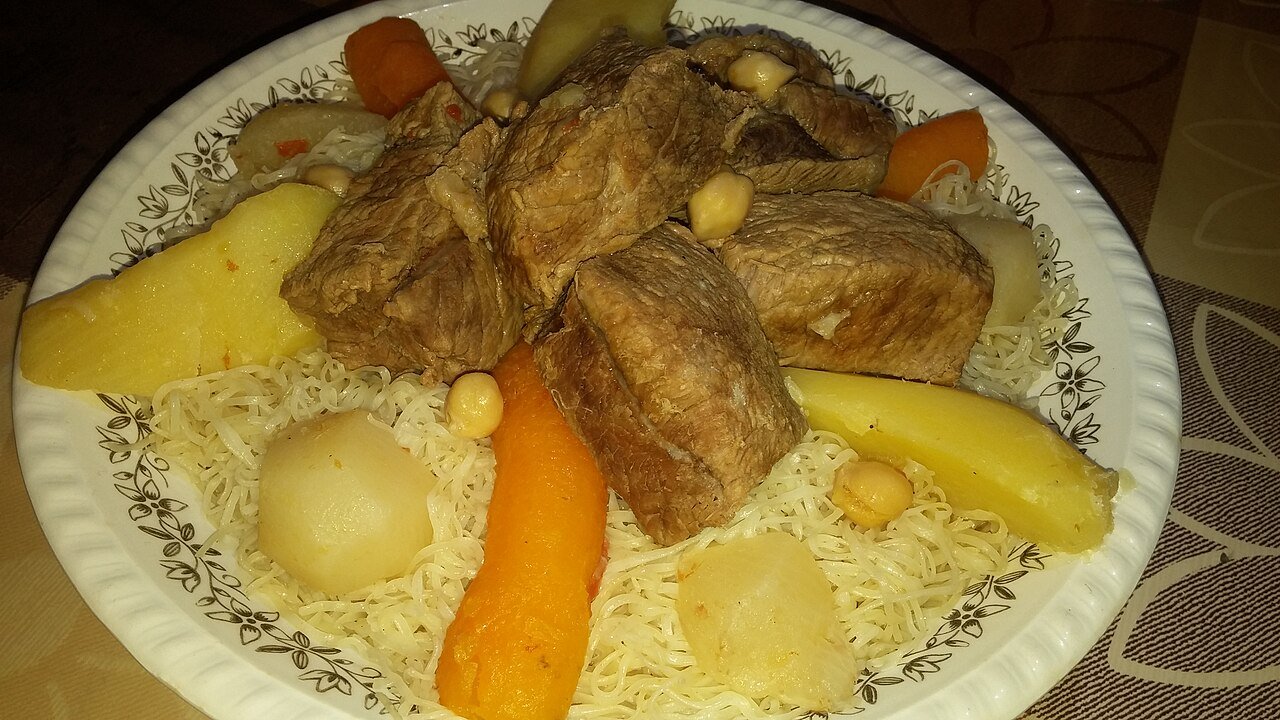
Very thin, hand-cut noodles steamed like couscous and served with chicken, turnips and chickpeas in a white sauce scented with cinnamon.
Chakhchoukha
Torn pieces of thin flatbread soaked in a spicy red stew of lamb and chickpeas, a pride of Biskra and the east.
Berkoukes
Large hand-rolled semolina pearls cooked in a soupy red stew with vegetables, perfect for cold evenings.
Tajine zitoune
Chicken simmered with green olives and carrots, sometimes with mushrooms, in a light lemony sauce. A favorite in Algiers.
Chtitha
A peppery red stew of chicken or lamb with chickpeas, garlic, paprika and caraway, mopped up with bread.
Dolma
Zucchini, peppers or onions stuffed with spiced ground meat and rice, then cooked in a white or red sauce.
Mthewem
Garlicky meatballs from Algiers cooked with chickpeas in a red or white sauce. The name comes from thoum, the word for garlic.
Lham lahlou
Lamb cooked with prunes, raisins or apricots, cinnamon and a little sugar. Many families serve it on the first night of Ramadan.
Mhadjeb
Semolina dough stretched paper-thin, filled with a spicy onion and tomato mix, folded into a square and cooked on a griddle.
Karantika
A baked chickpea flour flan dusted with cumin and harissa, often stuffed into a baguette.
Bourek
Thin pastry sheets rolled around ground meat, cheese or egg and fried until crisp. A Ramadan table rarely goes without it.
Makroud
Diamond-shaped semolina pastries filled with date paste, fried or baked and dipped in honey.
Chorba Frik: The Soul of Algerian Food
If one bowl sums up Algerian food, it is chorba frik. Frik is durum wheat harvested while still green, then roasted and cracked. It gives the soup a nutty, slightly smoky taste and a thick, silky body.
The soup starts with small pieces of lamb browned in olive oil with onion, then tomato, paprika, cinnamon and black pepper. Chickpeas, water and frik go in next, and the pot simmers until everything is soft. Fresh coriander and a squeeze of lemon finish it.
How Algerians serve it
Chorba is the opening course of iftar, the meal that breaks the Ramadan fast. It comes with bread, bourek and dates. In winter, many families cook it on ordinary weeknights, too.
Eastern cities such as Constantine and Annaba are known for chorba frik. In the west, a lighter harira is also common, so ask an Algerian friend which soup they grew up with.

Rechta, Berkoukes and Other Pasta
Algerian food has a surprising number of pasta dishes, all made from semolina. They show how flexible one grain can be: rolled into pearls, cut into strands or pressed into thin sheets.
Rechta
Rechta is a festive dish from Algiers and the central region. The fine noodles are steamed two or three times, buttered and topped with chicken, turnips and chickpeas in a white sauce with cinnamon. Families often cook it for Eid and other celebrations.
Berkoukes and tlitli
Berkoukes are big pasta pearls, about the size of peppercorns, cooked right in a tomato broth. Tlitli is a small, rice-shaped pasta served with chicken and boiled eggs.
Chakhchoukha
Here the pasta is actually bread: thin sheets of semolina flatbread are torn by hand and drenched in red sauce. It is a dish to share from one large plate.
Regional Algerian Food: Coast, Mountains and Sahara
Regional Algerian food reflects geography and history. These six areas give you a starting map.
Refined city cooking
Rechta, tajine zitoune, mthewem and dolma show strong Ottoman influence. Pastries such as dziriette are an Algiers specialty.
Spanish echoes
Karantika, paella-style rice and fish dishes reflect centuries of contact with Spain. Grilled sardines are popular along the coast.
Andalusian heritage
Sweet and savory stews, delicate pastries and fragrant spice mixes trace back to families who came from Al-Andalus.
Olive oil country
The mountains produce much of the country’s olive oil. Couscous with vegetables, flatbreads and figs are everyday foods.
Constantine and Biskra
Home of chakhchoukha, chorba frik and jwaz, a sweet meat stew. The oases of Biskra grow famous Deglet Nour dates.
Desert traditions
Dates, strong mint tea and taguella, a Tuareg bread baked in hot sand, are classics. Camel meat is eaten in some southern areas.
Love dates? Browse our Algerian dates category for Deglet Nour when it is back in stock.
Algerian Street Food and Snacks
Algerian street food is cheap, filling and full of flavor. You find it near schools, markets and bus stations, usually sold in a split baguette or wrapped in paper.
Karantika (garantita)
Karantika is a soft flan made from chickpea flour, water, oil and eggs, baked in a big tray. Vendors cut squares, sprinkle them with cumin and a dab of harissa, and tuck them into bread. The name is usually traced to the Spanish word calentita, meaning “nice and hot.”
Mhadjeb and msemen
These griddle breads are sold hot from street stalls. Mhadjeb hides a peppery onion filling; msemen is a flaky square eaten with honey or cheese.
Bourek and sandwiches
Crisp bourek, merguez sandwiches and grilled liver skewers are other favorites. For a quick bourek at home, fill pastry with canned tuna, egg and parsley.


Algerian Sweets and Pastries
Algerian food ends on a sweet note. Pastries made with almonds, semolina, dates, honey and orange blossom water are baked by the tray for Eid, weddings and guests.
Qalb el louz
A semolina and almond cake soaked in syrup and orange blossom water, cut into squares and eaten after iftar.
Makroud
Semolina pastry filled with date paste, fried or baked, then dipped in honey.
Dziriette
Small almond-paste cups baked in a thin shell and glazed with honey.
Tcharek
Crescent cookies filled with almond paste, sometimes coated in powdered sugar.
Griwech
Braided fried dough soaked in honey and covered with sesame seeds.
Tamina
Toasted semolina mixed with butter and honey, often served when a baby is born.

Baking at home? Our Algerian baking essentials include vanilla sachets and baking powder, and Algerian biscuits are an easy treat with coffee.
Algerian Food for Ramadan and Holidays
Algerian food is tied closely to the calendar. Certain dishes almost always appear on certain days, and families often cook them in huge batches for relatives and neighbors.
| Occasion | Typical dishes |
|---|---|
| Ramadan iftar | Dates, milk, chorba frik, bourek, salads, lham lahlou, qalb el louz |
| Eid al-Fitr | Trays of cookies and pastries, coffee, rechta in many central homes |
| Eid al-Adha | Lamb in many forms: grilled skewers, stews and couscous |
| Yennayer (Amazigh New Year, January 12) | Couscous with chicken, cherchem (boiled wheat and legumes), dried fruit and nuts |
| Weddings | Large platters of couscous, tajines, pastries and mint tea |
| Birth of a baby | Tamina and sweet semolina dishes for visitors |
The Ramadan table
Many families break the fast with a date and a glass of milk, then pray before the full meal. The table usually holds soup, bourek, a salad or two and a main stew. Sweets and tea follow later in the evening.
Yennayer
Yennayer, the Amazigh New Year, has been an official public holiday in Algeria since 2018. It is a time for a big family couscous and sharing dried fruit, nuts and sweets with children.
Easy Algerian Food at Home: Chorba Frik Recipe
This home-style chorba frik serves 6 and takes about 1 hour 15 minutes. It is a great first recipe if you want to cook Algerian food in the US.
Ingredients
- 1 lb lamb shoulder or chicken thighs, cut into ¾-inch pieces
- 3 tablespoons olive oil
- 1 medium onion, grated or finely chopped
- 2 tablespoons tomato paste plus 1 grated tomato
- 1 teaspoon sweet paprika, ½ teaspoon ground cinnamon
- ½ teaspoon black pepper, 1½ teaspoons salt (adjust)
- ½ teaspoon ras el hanout (optional)
- 1 can (15 oz) chickpeas, drained, or ½ cup soaked dried chickpeas
- ⅔ cup frik (cracked green wheat), rinsed
- 8 cups water
- 1 small bunch fresh coriander and a handful of mint, chopped
- Lemon wedges and harissa to serve
Method
- Brown the meat. Heat the olive oil in a large pot over medium heat. Add the meat and onion and cook for 6 to 8 minutes, stirring, until lightly golden.
- Add the spices. Stir in paprika, cinnamon, pepper, ras el hanout and salt. Cook for 1 minute until fragrant.
- Build the base. Add tomato paste and grated tomato and cook for 3 minutes. Pour in 8 cups of water, add half the coriander and bring to a boil.
- Simmer. Cover and simmer for 35 minutes for lamb (20 minutes for chicken). Add soaked dried chickpeas at the start if using them.
- Add the frik. Sprinkle in the frik, stirring so it does not clump. Add canned chickpeas now. Simmer 20 to 25 minutes more, stirring often, until thick and creamy.
- Finish. Stir in the rest of the coriander and the mint. Taste for salt. Serve with lemon, harissa and bread.
Coffee, Tea and Algerian Drinks
Coffee is a big part of daily life in Algeria. Strong black coffee, espresso and milky coffee at breakfast are all common, and a café is the natural place to meet friends. Mazagran, a cold sweetened coffee, is often said to have started in Algeria.
Mint tea made with Chinese green tea is served in the afternoon and at celebrations, and it is especially important in the south. Our tea time collection has the green teas and sugar to make it at home.
Other drinks to know
- Cherbet: a chilled lemon drink, often scented with orange blossom water, popular during Ramadan.
- Leben and raib: fermented milk and set yogurt, often served with couscous or dates.
- Hamoud Boualem: a soda brand founded in Algiers in 1878, famous for its lemon soda.
For breakfast ideas that go with these drinks, our Algerian products range has biscuits, wafers and flan mixes.
Best Algerian Food Essentials to Buy in the USA
Six pantry basics for cooking Algerian food at home, delivered anywhere in the country.
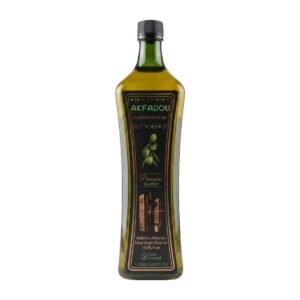 Best olive oilAkfadou Algerian Extra Virgin Olive Oil
Fruity Algerian oil for chorba, salads and dipping bread.
Shop now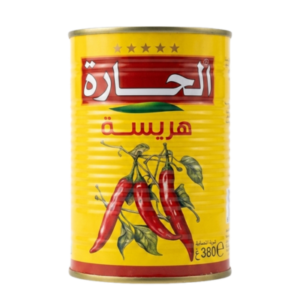 Best heatEl Hara Hot Algerian Harissa
A big can of chili paste for soups, sandwiches and karantika.
Shop now Best couscousDari Medium Couscous 1kg
Medium grain that steams up light for a Friday couscous.
Shop now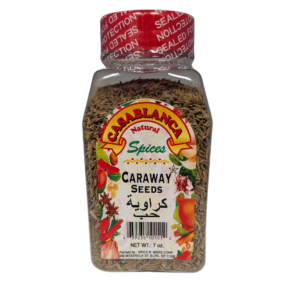
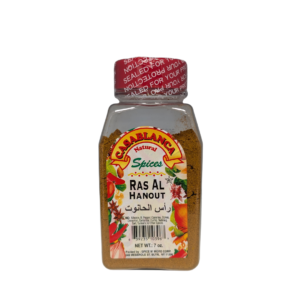 All-purpose blendCasablanca Ras El Hanout
A pinch rounds out chorba, tajines and roasted vegetables.
Shop now For sweetsSamra Orange Blossom Water
The floral note in qalb el louz, makroud syrup and cherbet.
Shop nowPlanning a big order? Check our shipping policy for delivery times, or browse the full shop.
Algerian Food FAQs
What is the most popular Algerian food?
Couscous is the national dish and the most famous Algerian food. It is steamed semolina served with a stew of meat, chickpeas and vegetables. Chorba frik, rechta, chakhchoukha, tajine zitoune and bourek are also very popular.
Is Algerian food spicy?
It can be. Many dishes are warmly spiced rather than hot, using cumin, caraway, paprika and cinnamon. Heat usually comes from harissa, dersa or fresh chili added at the table, so you can adjust it to taste.
How is Algerian food different from Moroccan food?
They share couscous, tajines and mint tea, but Algerian cooking often uses more tomato, paprika and chili and fewer sweet notes in savory dishes. It also has its own pasta dishes, such as rechta and chakhchoukha, and a stronger Ottoman influence in cities like Algiers.
What do Algerians eat for breakfast?
A typical breakfast is coffee or milky coffee with bread, olive oil, butter, jam or honey. Griddle breads such as msemen and matlou, dates and yogurt are also common.
What is chorba frik made of?
Chorba frik is a soup of lamb or chicken, tomato, chickpeas, onion and spices, thickened with frik, which is green durum wheat that has been roasted and cracked. Fresh coriander and lemon finish it.
Is Algerian food healthy?
Home-style cooking uses plenty of vegetables, legumes, whole grains and olive oil, which fits many balanced diets. Fried pastries and syrupy sweets are best enjoyed in moderation. This is general information only, not medical advice.
Where can I buy Algerian food ingredients in the USA?
Maghribi Market ships Algerian olive oils, harissa, couscous, spices, biscuits and baking supplies to all 50 states. Fresh items such as frik or chickpea flour are often sold at Middle Eastern grocers.
Further reading: Britannica: Algerian cuisine · UNESCO: Couscous heritage · Algerian cuisine (Wikipedia)
Bring Algeria to Your Table
Olive oil, harissa, couscous, spices and sweets for authentic Algerian food, shipped to your door anywhere in the USA.
Shop Algerian Products Shop All Products