LIMITED TIME OFFER: 10% OFF everything ยท Code
Faith and Tradition

What Is Zamzam Water? History, Etiquette and Buying Guide

The story behind the well in Mecca, the facts about how its water is pumped and tested, how Muslims traditionally drink it, and how to buy, store and share a bottle in the USA.

Updated October 2026By Maghribi Market13 min read
SCROLL TO READ โ†“
Quick answer

Zamzam water is the water of the Zamzam well inside the Grand Mosque (Masjid al-Haram) in Mecca, Saudi Arabia, about 20 meters east of the Kaaba. Muslims regard it as blessed because of its link to the story of Hajar and her son Ismail. Pilgrims drink it during Hajj and Umrah and bring bottles home to share with family, often alongside dates, especially during Ramadan and Eid.

The essentials

Your Complete Zamzam Guide

For millions of Muslims, a small cup of this water is one of the most meaningful gifts a returning pilgrim can offer. It is poured for guests, sipped with a prayer, saved for Ramadan and shared with relatives who could not make the journey themselves.

This guide explains where the water comes from, what is known about the well and its minerals, the etiquette many families follow, and what to look for when you buy it in the USA. If you are planning a Ramadan or Eid table, you can find a sealed bottle in our Zamzam water collection.

  1. 01Zamzam at a glance
  2. 02What it is
  3. 03The story of Hajar and Ismail
  4. 04Inside the well today
  5. 05Minerals and taste
  6. 06How to drink it
  7. 07Traditions at home
  8. 08Buying authentic bottles
  9. 09Storing and sharing
  10. 10Health notes
  11. 11What to buy
  12. 12FAQs
Quick facts

Zamzam Water at a Glance

LocationMasjid al-Haram, Mecca, about 20 m east of the Kaaba
Well depthAbout 30 m (100 ft)
Linked toHajar (Hagar) and Ismail (Ishmael)
RediscoveredBy Abd al-Muttalib, 6th century, in tradition
Pumping rateAbout 11 to 18.5 liters per second
Treatment plantKing Abdullah Zamzam project, Kudai, opened 2010
pHAbout 7.9 to 8, slightly alkaline
Monitored bySaudi Geological Survey
Background

What Is Zamzam Water?

It is groundwater drawn from a single well in the heart of Mecca. The well sits inside the Masjid al-Haram, Islam’s holiest mosque, just a short walk from the Kaaba that Muslims around the world face in prayer.

It is clear, has no smell and has a slightly mineral taste that many people describe as distinctive. What makes it special, though, is not chemistry but meaning. For Muslims it is a blessed water connected to the earliest history of Mecca and to the rites of Hajj and Umrah.

Why is zamzam water so important to Muslims?

The well is tied to the story of Hajar, the mother of the prophet Ismail, and to God’s mercy in the desert. Pilgrims drink from it in the mosque, carry it home in their luggage, and give it to family and friends as a gift that connects them to the holy city.

Many Muslims also make a personal prayer (dua) before drinking, a practice based on a well-known hadith that describes the water as being “for whatever it is drunk for.”

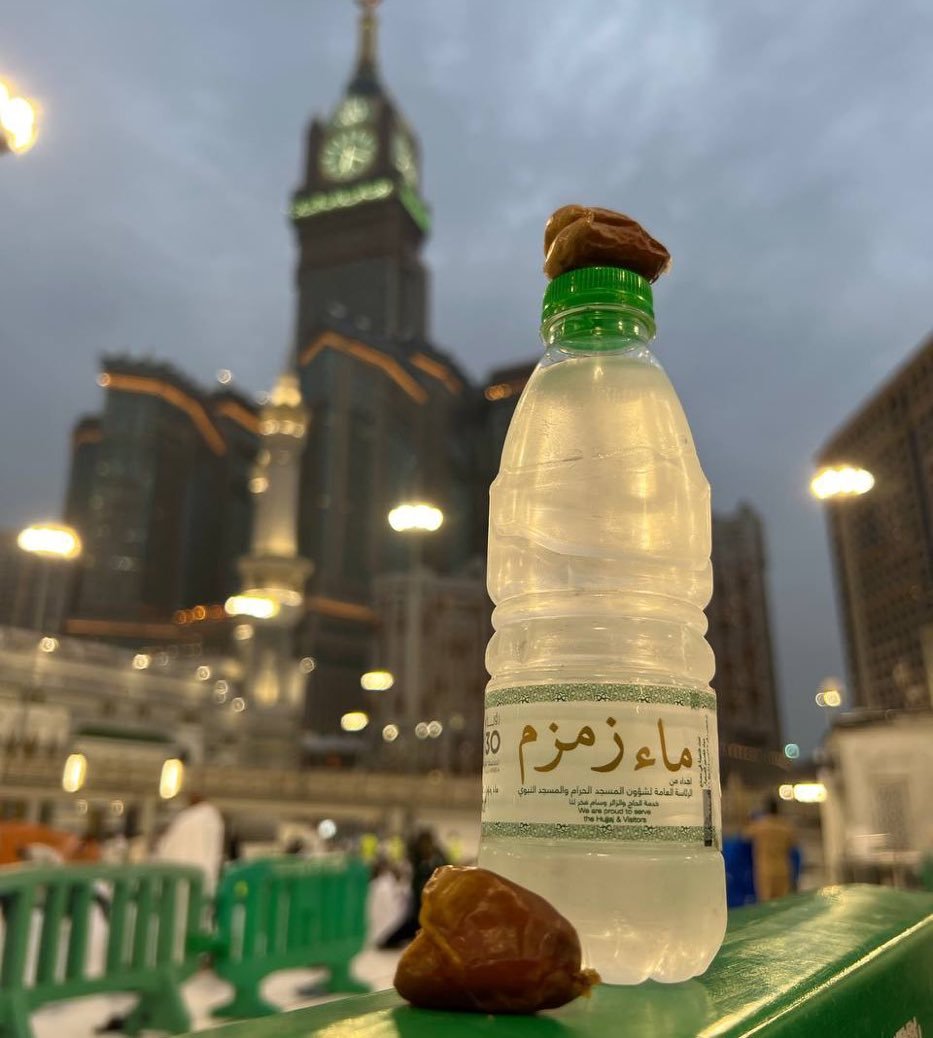
Bottle of zamzam water with dates in front of the Mecca clock tower
A bottle of zamzam water and dates in the mosque courtyard in Mecca.
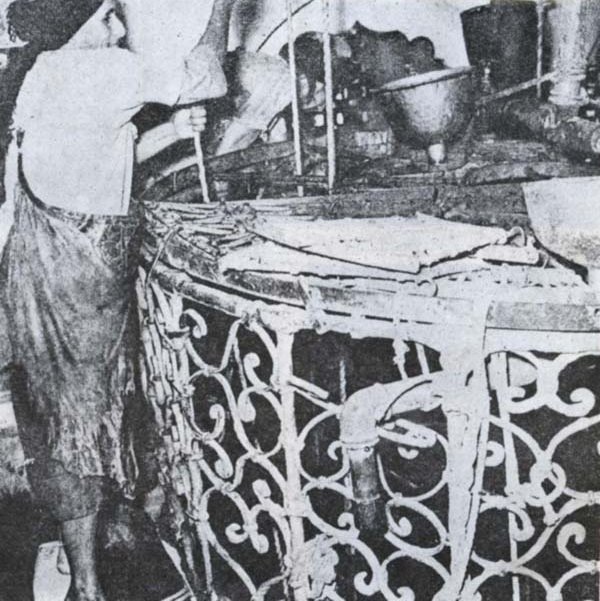
Historic photo of the Zamzam well before modern renovation
The Zamzam well in an old photograph, before the modern renovations.
History

The Story of Hajar and Ismail

In Islamic tradition, the prophet Ibrahim (Abraham) left Hajar and their infant son Ismail in the dry valley where Mecca stands today. When their water ran out and the baby grew desperately thirsty, Hajar searched for help.

She ran back and forth between two small hills, Safa and Marwah, looking for water or a passing caravan. Many accounts say she made the journey seven times. Water then sprang from the ground, either where the baby struck the earth with his feet or where the angel Gabriel was sent, depending on the version.

From lost well to rediscovery

According to later accounts, the well was buried or dried up for a long period. Traditional sources credit Abd al-Muttalib, the grandfather of the Prophet Muhammad, with finding and re-digging it in the 6th century after a series of dreams.

Today pilgrims retrace Hajar’s steps in the ritual called sa’i, walking seven times between Safa and Marwah inside the mosque. The Wikipedia article on the Zamzam Well summarizes these narratives and their sources.

The well today

Inside the Zamzam Well Today

The old open well that pilgrims once drew from by bucket is now part of a modern, closely managed water system. Here is how the water travels from the ground to the cup.

Where the well is

The well is about 30 meters (100 feet) deep, roughly 20 meters east of the Kaaba. Since 1964 its opening has been in a basement room below the mosque floor that is closed to the public.

How the water is pumped

Two electric pumps take turns drawing water at about 11 to 18.5 liters per second. Pipes carry it about 5 km south to the King Abdullah bin Abdulaziz Zamzam Water Project in Kudai, which opened in September 2010.

Treatment and distribution

At Kudai the water is filtered and treated with ultraviolet light, then stored in large reservoirs in Kudai and Medina. Pipes feed drinking fountains in the Grand Mosque, and tankers carry it to the Prophet’s Mosque in Medina.

Historic mouthpiece of the Zamzam well displayed in a museum in Mecca
The historic mouthpiece of the Zamzam well, now kept on display.
StageWhat happensKey figure
WellGroundwater drawn from the well shaftAbout 30 m deep
PumpingTwo pumps work alternately11 to 18.5 liters per second
TreatmentFilters and UV light at KudaiPlant opened in 2010
In the mosquesFountains and coolers for worshippersAbout 700,000 liters a day, up to 2 million in pilgrimage season
BottlingSealed 10-liter containers sold in Saudi ArabiaAbout 1.5 million a day in 2018
Did you know? The Saudi Geological Survey runs a dedicated Zamzam Studies and Research Centre. Water level, conductivity, pH and temperature are monitored digitally, and samples are tested every day, with many more during Ramadan.
Composition

Zamzam Water Minerals and Taste

The water is naturally rich in dissolved minerals, which explains its slightly heavy, salty-sweet taste compared with soft spring or tap water. Researchers at King Saud University published an analysis that is widely cited; some of the main values are below.

ComponentReported level (mg per liter)
Calcium96
Magnesium38.88
Sodium133
Potassium43.3
Bicarbonate195.4
Fluoride0.72
Total dissolved solids835

The reported pH is around 7.9 to 8, which means slightly alkaline. Mineral levels in any natural well can change with rainfall and season, so treat these as one published snapshot rather than a fixed label.

What does zamzam water taste like?

Most people notice a fuller, more mineral flavor than ordinary bottled water, a little like some European mineral waters without the bubbles. It is usually served cool, and in the Grand Mosque it is often offered both chilled and unchilled.

Etiquette

How to Drink Zamzam Water

There is no single required ritual, but many Muslims follow a set of customs drawn from hadith reports and the practice of earlier generations. Your local imam can guide you on the details of your own school of thought.

01Intention

Make a sincere intention

Many people pause first and think about what they hope for, whether health, knowledge, forgiveness or a family need.

02Words

Begin with Bismillah

As with any drink, start by saying “Bismillah,” in the name of God.

03Direction

Face the qibla if you can

Many people turn toward the Kaaba while drinking, as a sign of respect. It is a recommended custom, not a strict rule.

04Posture

Standing or sitting

Reports describe the Prophet drinking it while standing, so many people do the same, while others sit as they would with any drink.

05Pace

Drink in three sips

Taking the water in three breaths, pausing between sips, follows the general Islamic etiquette for drinking.

06Prayer

Make dua

Drinking is a moment for personal prayer. Many families ask for blessings for themselves, their parents and those who are ill.

07Gratitude

End with Alhamdulillah

Finish by thanking God. Some people also wipe a little water on the face or head.

08Respect

Treat it with care

Because it is regarded as blessed, most families avoid wasting it or using it for cleaning or other ordinary tasks.

Culture

Zamzam Water Traditions at Home

Far from Mecca, a single bottle carries the joy of the pilgrimage into the family home. Customs vary from family to family, but some are shared across the Muslim world and the North African diaspora.

Welcome

Greeting the pilgrim

When a relative returns from Hajj or Umrah, guests often visit to congratulate them. The host commonly offers a small cup of zamzam water, a few dates and sweets, with mint tea later.

Tea time essentials

Ramadan

Breaking the fast

Some families save it for Ramadan and offer a sip at iftar along with dates, the traditional way to break the fast, before the soup and the meal.

Algerian dates

Gifts

Sharing with loved ones

Small bottles are given to parents, elderly relatives and friends who could not travel, and are sometimes included in Eid gifts.

Zamzam water 250 ml

Zamzam water during Ramadan and Eid

Ramadan is the ninth month of the Islamic calendar and the month of fasting, as Britannica explains. It is also a popular time for Umrah, so many families receive fresh bottles from returning pilgrims during or just after the month.

At Eid, a cup of it may sit on the table next to cookies, honey and dates. In North African homes it often appears beside favorites from our Moroccan biscuits and Moroccan pantry range.

Linked to Hajj and Umrah

Hajj is the annual pilgrimage to Mecca that every Muslim who is physically and financially able should make at least once, as described by Britannica’s Hajj entry. Umrah is the shorter pilgrimage that can be made at any time of year. Drinking from the well is part of the experience of both.

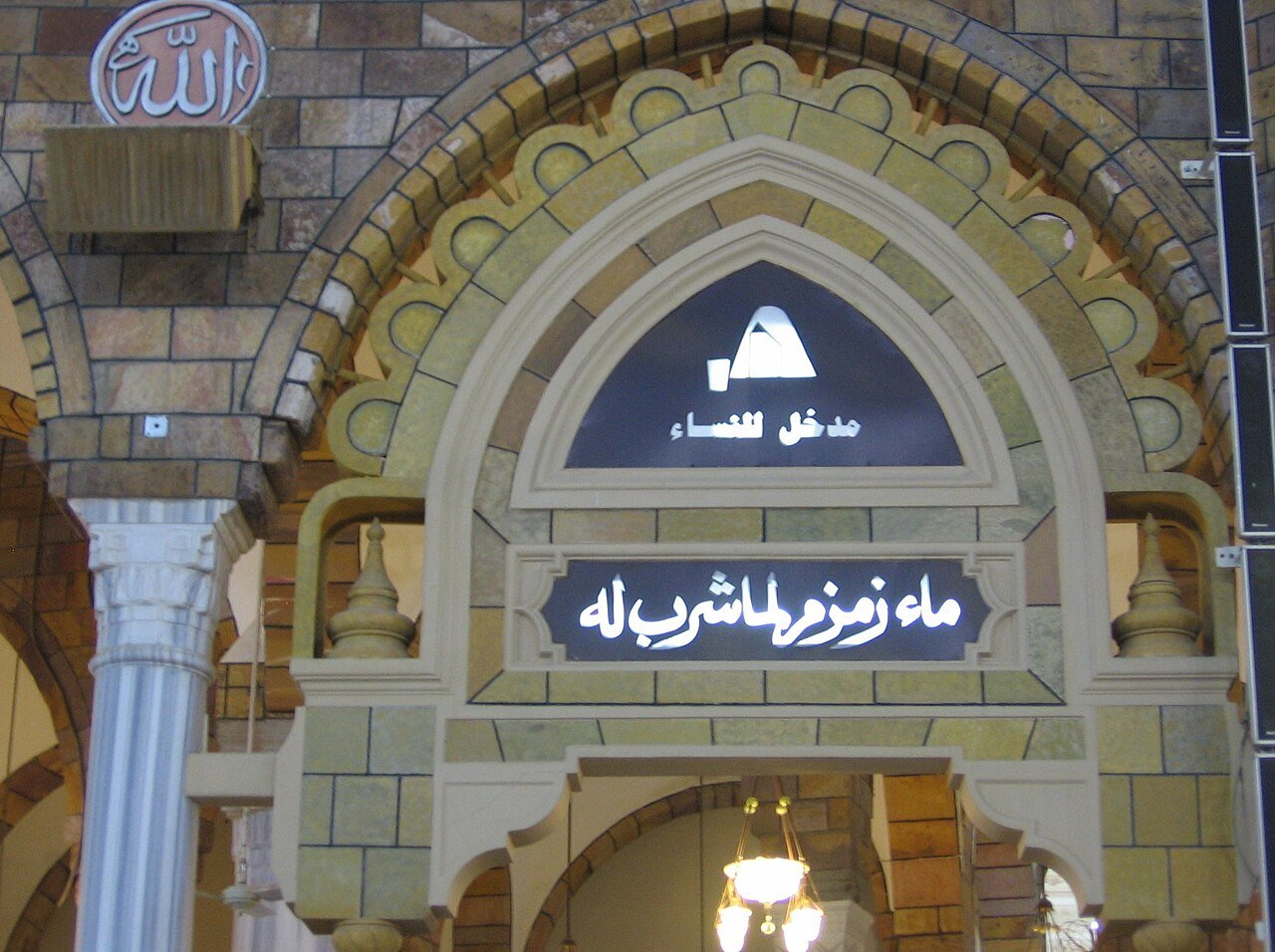
Old decorated entrance to the zamzam water well inside the Grand Mosque in Mecca
The decorated entrance that once led down to the well inside the mosque.
Buying guide

How to Buy Authentic Zamzam Water

Because it is so treasured, zamzam water is also a target for fakes. In 2011 a BBC London investigation reported that some water sold as zamzam by individual sellers in the UK contained high levels of arsenic and nitrate. The Saudi embassy responded that genuine zamzam water does not contain arsenic, and a Saudi environmental adviser suggested the problem came from unsterilized containers used by illegal sellers.

The lesson is simple: buy sealed bottles from a seller you trust, and be cautious with refilled or unlabeled containers.

Simple checks before you buy

  • Choose a factory-sealed bottle with an intact cap and a clear label.
  • Avoid water sold in reused jugs or bottles without a seal.
  • Look for clear water with no cloudiness, sediment or odor.
  • Buy from a business with a real address, return policy and customer service.
  • Be wary of very large volumes at a very low price.
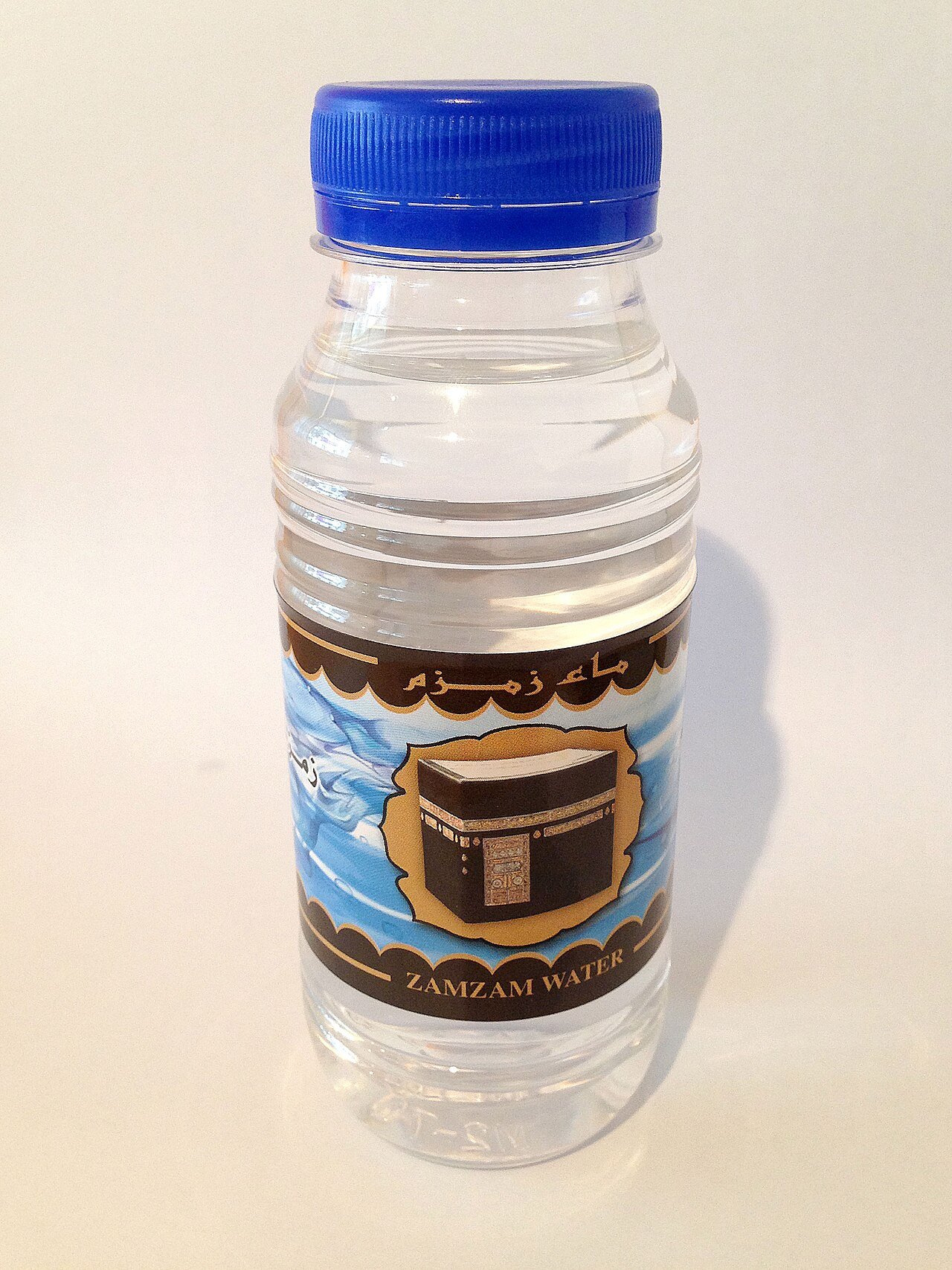
A sealed plastic bottle of zamzam water with a Kaaba label
A sealed plastic bottle of zamzam water.
Our bottles: We sell Zamzam water from Makkah in a sealed 250 ml bottle, a practical size for gifting and for keeping a little at home. Check our shipping policy for delivery times before Ramadan or Eid.
At home

Storing and Sharing Zamzam Water

A sealed bottle keeps well, like any bottled water, when it is stored properly. A few simple habits help it stay fresh until the day you open it.

Before opening

Keep bottles in a cool, dark cupboard away from direct sunlight, heat and strong-smelling products such as cleaning supplies. Do not leave them in a hot car, since heat can affect plastic bottles.

After opening

Close the cap tightly and keep the bottle in the refrigerator. As with other opened bottled water, it is best to finish it within a few days, and to pour it into a clean cup rather than drinking straight from the bottle if you plan to share it.

Stretching a small bottle

Some families mix a little zamzam water into a larger jug of clean drinking water so more relatives can share it. Others keep it for special moments, such as a family member’s recovery from illness, a wedding or the first iftar of Ramadan.

Tip: Order a few small bottles rather than one large one. They are easier to store, keep sealed longer and make thoughtful individual gifts.
Good to know

Zamzam Water Health Notes

General information only, not medical advice. Muslims value zamzam water for spiritual reasons, and many people feel refreshed and comforted when they drink it. Claims online about it curing specific diseases, however, are not supported by strong scientific studies, so it should never replace medicine or treatment from a doctor.

Its mineral content is higher than that of many soft waters. People on a low-sodium diet, with kidney disease, or caring for infants should check with a health care provider about how much mineral-rich water is right for them, and should use plain drinking water for baby formula unless a doctor advises otherwise.

The safest choice is always authentic water in a sealed, properly handled bottle. If water looks cloudy, smells unusual or comes in an unsealed container, do not drink it.

Our picks

Best Zamzam Gifts to Buy in the USA

A sealed bottle for your home or a loved one, plus a few favorites that often share the table with it at iftar and Eid.

Zamzam Water from Makkah 250 ml bottleBest giftZamzam Water from Makkah, 250 ml

A sealed, easy-to-share bottle for Ramadan, Eid and family visits.

Shop now
Tayeb Eucalyptus Honey 1 kgFor iftarTayeb Eucalyptus Honey

A large jar for msemen, sweets and breakfast spreads.

Shop now
Sultan Grain Ambar Green Tea No.16For guestsSultan Grain Ambar Green Tea

Classic gunpowder tea for the mint tea served after the welcome.

Shop now

Building a full Eid basket? Browse our Algerian and Tunisian collections or explore the whole shop.

Questions

Zamzam Water FAQs

Where does zamzam water come from?

It comes from the Zamzam well inside the Masjid al-Haram in Mecca, Saudi Arabia, about 20 meters east of the Kaaba. The water is pumped to a treatment plant in Kudai, filtered, treated with UV light and then distributed or bottled.

Why is zamzam water considered holy?

In Islamic tradition, the well appeared miraculously to save Hajar and her baby son Ismail from thirst in the desert. Because of this story and its place at the heart of Mecca, Muslims regard the water as blessed.

How should you drink zamzam water?

Many Muslims say Bismillah, face the qibla if possible, drink in three sips, make a personal prayer and finish with Alhamdulillah. Some drink it standing, following reports about the Prophet. These are recommended customs rather than strict rules.

Is zamzam water safe to drink?

Water from the well is monitored and tested daily by the Saudi Geological Survey. Problems reported abroad have involved water sold in unsealed or reused containers, so buy sealed bottles from a trusted seller and avoid any water that looks cloudy or smells unusual.

Does zamzam water expire?

Sealed bottles keep well when stored in a cool, dark place, like other bottled water. Once opened, keep the bottle in the refrigerator and finish it within a few days.

Can I buy zamzam water in the USA?

Yes. Some specialty shops and online stores sell it in sealed bottles. Maghribi Market offers a sealed 250 ml bottle of Zamzam water from Makkah with delivery across the USA.

Can non-Muslims drink zamzam water?

Yes, there is no rule against it. Many Muslim families happily share it with friends and neighbors of other faiths as a gesture of hospitality and goodwill.

Further reading: Zamzam Well (Wikipedia) ยท Hajj (Britannica) ยท Ramadan (Britannica)

Maghribi Market

Share a Little Blessing This Ramadan

Sealed bottles of Zamzam water from Makkah, delivered to your door anywhere in the USA.

Shop Zamzam Water Shop All Products
Image credits (Wikimedia Commons): Masjid al-Haram, Tawaf by Basheer Olakara (CC BY 2.0) ยท Zamzam water bottle with dates by Mohammad Anees Qamar (CC BY-SA 4.0) ยท Puits de Zamzam avant les modifications by Unknown author (Public domain) ยท Historic Zamzam well mouthpiece by Mohammad Bahareth (CC BY-SA 2.0) ยท Zamzam well 2 by Mardetanha (CC BY-SA 3.0) ยท Zamzam bottle by Max Ronnersjรถ (CC BY-SA 3.0). Images resized for web.
x
Chat with us