Kessa Glove Guide: How to Scrub Like a Moroccan Hammam
What the famous hammam mitt is, how to use it with black soap step by step, how often to scrub for your skin type, how to choose a good one and how to look after it.
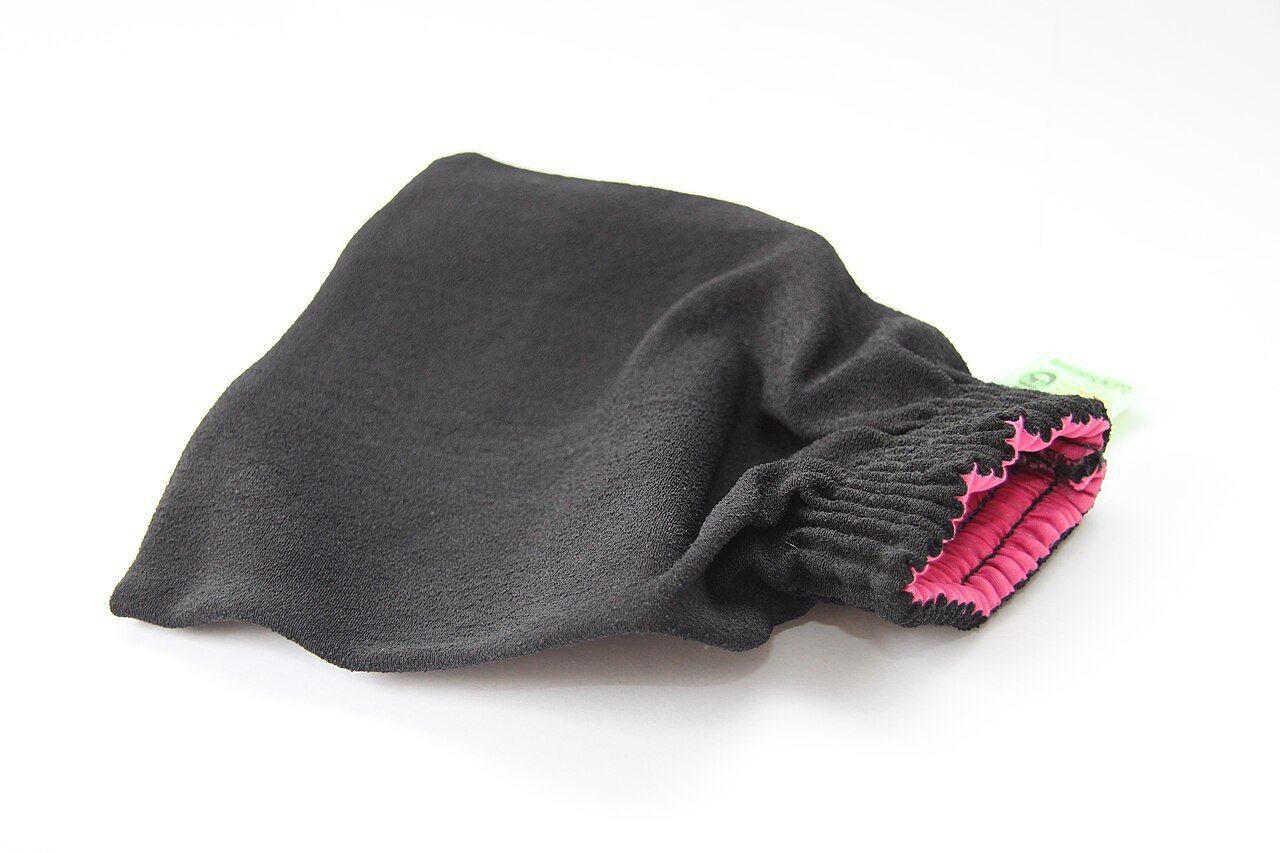
A kessa glove is a rough, textured mitt, usually made of crinkled viscose, that Moroccans use in the hammam to scrub away dead skin after steaming and washing with black soap. Soften your skin with warm water or steam for 10 to 15 minutes, apply Moroccan black soap and leave it on for about 5 minutes, rinse, then scrub with firm, short strokes. Most people do it once a week or less, then finish with a rinse and a light oil.
Your Complete Hammam Scrub Guide
If you have ever had a scrub in a Moroccan hammam, you remember the moment the attendant pulls on a kessa glove and the gray rolls of old skin start to appear. It is a little surprising, a lot satisfying, and your skin feels softer than it has in months. The kessa glove is the simple tool behind that result.
The good news is that you do not need a trip to Fes to enjoy it. With a glove, a jar of Moroccan black soap and a hot shower or bath, you can recreate the ritual at home. This guide explains where the glove comes from, the right way to use it, how to adapt it for sensitive skin and which products from our Moroccan cosmetics collection complete the routine.
Kessa Glove at a Glance
What Is a Kessa Glove and Where Does It Come From?
A kessa glove is a flat mitt that slips over your hand like an oven glove without a thumb. Its surface has a tight, crinkly texture that feels like fine sandpaper made of fabric. When you rub it over damp, softened skin, it lifts the loose outer layer of dead cells.
The name comes from Arabic. In Morocco you will hear kis or kessa, while in Turkey the same kind of mitt is called a kese. Spellings vary on packaging, so kissa, kassa and kese glove usually describe the same thing.
The habit of scrubbing in a public bath is very old. North African hammams descend from Roman and Byzantine baths, and some of their bathing tools, including a rough scrubbing mitt, survived into Islamic bathhouses. The Wikipedia entry on the hammam notes that the oldest known Islamic hammam ruins in Morocco, at Volubilis, date to the late 8th century.
Older gloves were often made from goat hair or rough natural cloth. Today almost every kessa glove sold in Moroccan markets is viscose, a plant-cellulose fiber that dries fast and grips wet skin.
The Kessa Glove in a Moroccan Hammam
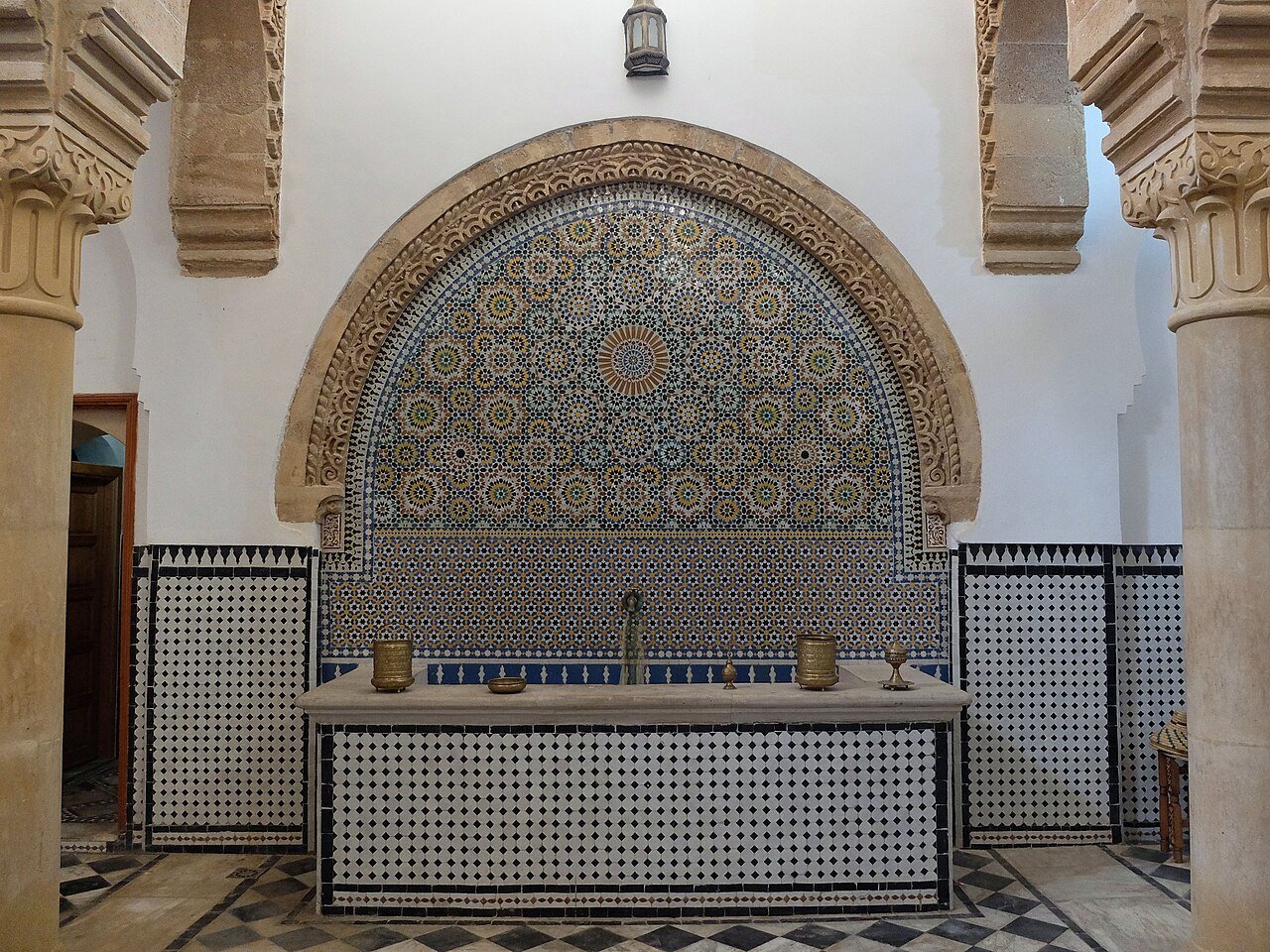
In Moroccan towns, the neighborhood hammam is a weekly habit for many families, and the kessa glove is at the center of the visit. Bathers move through a series of rooms that get warmer as you go. In Fes these are often named the goulsa for changing, then el-barrani, el-wasti and ad-dakhli for the cold, warm and hot rooms.
The steam softens the skin. Bathers then cover themselves in black soap, rest, rinse and start the scrub, either on their own, with a friend or with an attendant often called a kessal or kessala. A good attendant works from the shoulders to the feet with long, firm passes.
More than a beauty treatment
Women’s hammams in particular are social spaces where neighbors talk, share news and help each other scrub hard-to-reach spots. Brides often visit with family before the wedding, and many people go before Eid or other big days.
Restored baths such as the 14th-century Hammam Saffarin in Fes show how carefully these spaces were designed, with zellij tiles and domes.
Why a Kessa Glove Needs Black Soap
You can use the glove on its own, but it works best with Moroccan black soap. The two were made for each other.
Moroccan black soap, or savon noir, is a soft, gel-like paste made from olive oil and olives. You smooth it onto wet skin, leave it for a few minutes and rinse it off. It cleans the skin and leaves it slippery and soft, which prepares it for the scrub that follows.
Without that softening step, the kessa glove has to work harder and is more likely to irritate. With it, the glove glides and lifts the loosened layer quickly.
Which black soap to pair with your glove
| Soap style | Feel and scent | Good for | Try |
|---|---|---|---|
| Traditional olive savon noir | Plain, earthy, classic hammam smell | First-timers and purists | Terre d’Oleane Traditional |
| With argan oil and aker fassi | Rich, lightly floral | Drier skin that likes extra slip | Argan and Aker Fassi |
| With ghassoul clay and rose | Creamy, soft rose scent | A full clay-and-scrub ritual | Savon Noir with Ghassoul |
| With eucalyptus | Fresh, spa-like | Steamy showers and winter | Eucalyptus Black Soap |
| With prickly pear | Light, fruity | A gentler-smelling option | Prickly Pear Black Soap |
How to Use a Kessa Glove at Home, Step by Step
This home routine takes about 30 to 40 minutes. A bath gives the best results, but a long, hot shower in a closed bathroom works too.
What you need
- 1 kessa glove, dry and clean
- 1 to 2 teaspoons Moroccan black soap
- Warm water: a bath or a steamy shower
- A towel and a light body oil or moisturizer
- Optional: ghassoul clay or rose water for afterward
Before you start
- Skip shaving or waxing for at least a day before.
- Remove any self-tan you want to keep.
- Check for cuts, sunburn or irritated patches and avoid them.
Method
- Steam and soak. Soak in a warm bath or stand in a steamy shower for 10 to 15 minutes. Skin needs to be fully soft; this is the step most people rush.
- Apply black soap. Turn the water off. Smooth a thin layer of black soap over damp skin, avoiding the face and any broken skin.
- Let it rest. Leave the soap on for about 5 minutes while the bathroom stays warm. Some people relax in the steam during this time.
- Rinse completely. Wash off all the soap with warm water. The skin should feel slick and soft.
- Wet the glove. Dip the kessa glove in warm water and squeeze it out. A damp glove grips better than a dripping one.
- Scrub in sections. With firm but comfortable pressure, rub in short, straight strokes, working one area at a time: arms, legs, back, chest, then feet. Rinse the glove often.
- Rinse and finish. Rinse your body well, pat dry with a towel and apply a light oil or moisturizer while your skin is still slightly damp.
Kessa Glove Technique and Common Mistakes
The difference between a great scrub and an irritated one comes down to preparation and pressure.
Think of the kessa glove as a tool that removes what is already loose. If you have softened the skin properly, you will not need to press hard at all.
Where to be gentle
Skip the face entirely; facial skin is thinner and better suited to a soft washcloth. Go lightly on the chest, inner arms, neck and any area with eczema, acne, or thin or sensitive skin.

Never scrub dry skin
Dry scrubbing scratches instead of lifting. Give your skin at least 10 minutes in warm water first.
Firm, not forceful
Use the weight of your hand. If it stings or turns red quickly, ease up straight away.
Short and straight
Short back-and-forth or downward strokes work better than wide circles, especially on arms and legs.
Once over is enough
Go over each area a few times, then move on. Going back again and again is how people end up sore.
Rinse as you go
Rinse the kessa glove every minute or two so dead skin does not build up and smooth out the texture.
Ask for help
The back is hard to reach. In the hammam a friend helps; at home, a partner can do it for you.
Moisturize immediately
Fresh skin loses water fast. A few drops of oil while you are still damp makes a big difference.
How Often to Use a Kessa Glove for Your Skin Type
General information only, not medical advice. Using a kessa glove is a form of mechanical exfoliation, meaning dead skin is removed by rubbing rather than by acids. The American Academy of Dermatology advises choosing your method to suit your skin type, using light pressure, and exfoliating less often when the method is more aggressive.
The same source notes that mechanical exfoliation can be too irritating for dry, sensitive or acne-prone skin. It also warns that people with darker skin tones, or with dark marks left by acne, burns or bug bites, should avoid strong scrubbing, because irritation can make dark spots worse. Never exfoliate over cuts, wounds or sunburn.
| Skin type | Suggested frequency | How to adapt |
|---|---|---|
| Normal or oily, thicker body skin | Once a week at most | Classic routine with steam, black soap and firm strokes |
| Dry skin | Every 1 to 2 weeks | Shorter scrub, lighter pressure, oil right after |
| Sensitive or reactive skin | Every 2 to 4 weeks, or skip | Test a small patch first; very gentle pressure |
| Darker skin tones or prone to dark marks | Occasionally, very gently | Avoid hard rubbing; stop at the first sign of redness |
| Eczema, psoriasis or active acne | Ask a dermatologist first | Do not scrub flare-ups or broken skin |
If you use prescription retinoids, retinol or benzoyl peroxide on your body, your skin may already be more fragile, so check with a health care provider before adding a kessa glove routine. If you notice burning, swelling or a rash, stop and let the skin recover.
Rest weeks matter too. Scrubbing too often leaves skin tight and irritated, so beginners should start every two weeks.
How to Choose a Good Kessa Glove
Gloves look alike, but small differences in fabric and fit change the experience. Here is what to check before you buy a kessa glove.
Viscose texture
Most authentic gloves are crinkled viscose. A tighter, finer crinkle feels gentler; a coarse, stiff weave is stronger. Beginners and sensitive skin should start with a softer one.
Snug at the wrist
An elastic or sewn cuff stops the glove from twisting. If it slides around your hand, you lose control of the pressure.
Strong seams
Look for double stitching around the edge. Cheap gloves can split after a few uses because the seams take the most strain.
Kessa glove vs loofah vs washcloth
A loofah is a dried plant sponge that is fine for daily washing but does not lift dead skin the same way. A washcloth is the gentlest option, best for the face.
The kessa glove is designed for one job: lifting softened skin. It is thin, light and dries quickly. Many families give each person a different color so gloves are never shared.

Cleaning and Caring for Your Kessa Glove
A kessa glove holds water, warmth and skin cells, which is a perfect home for bacteria if you leave it balled up in a damp shower. A minute of care after each use keeps it fresh and working well.
After every use
- Rinse the glove under hot water until it runs clear.
- Wash it with a little soap, rubbing the fabric against itself, then rinse again.
- Squeeze out the water. Do not wring it hard, which can stretch the seams.
- Hang it to dry in an airy spot, outside the shower if possible.
Deeper cleaning
Every week or two, wash the glove in a mesh laundry bag with towels on a warm cycle, then air-dry it. Skip the dryer and fabric softener.
When to replace it
Replace your glove when the crinkle flattens and it feels smooth, when the seams open, or when it smells musty even after washing. For regular weekly use, that is often every few months.
Aftercare: Oils, Clay and Rose Water
In Moroccan homes the scrub is not the last step. A rinse and something nourishing complete the ritual.
Argan oil
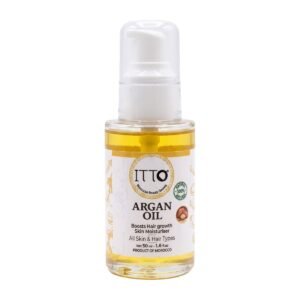
A few drops of pure ITTO argan oil massaged into damp skin is the classic Moroccan finish. Browse more in our argan oil collection.
Ghassoul mask
Some bathers apply clay after the scrub for a smooth, matte feel. Savon noir with ghassoul combines both steps in one jar.
Nila powder
Traditional Moroccan nila is mixed into black soap by some women. Patch test first, as it stains towels blue.
Mint tea and a nap
Hydrate after the heat. A glass of water or warm mint tea and a quiet hour are part of the tradition.
Skip strong perfumes and acid exfoliants for a day after using a kessa glove, since freshly scrubbed skin reacts more easily.
The Hammam Scrub Across North Africa
The kessa glove belongs to the whole Maghreb. Each country has its own habits around the same simple mitt.
Black soap and the weekly visit
Steam, savon noir, then a kessa glove scrub is the classic order. Many neighborhoods still have a hammam within walking distance, often near the mosque and the bakery.
Hammam before celebrations
Algerian families share the same scrub-and-rinse tradition, and a hammam trip with the bride is a well-loved part of wedding preparations in many regions.
Clay, steam and old bathhouses
Tunis has historic hammams in the medina, such as the Zeitouni bath. Tunisians scrub with the same kind of mitt and often use clay alongside soap.

Bringing the kessa glove ritual to the USA
Traditional hammams are rare in the United States, so most of the diaspora recreates the experience at home: a closed bathroom with a hot shower becomes a small steam room.
Lay out glove, soap, towel and oil first, then take your time. It is a small piece of home that travels well.
Best Kessa Glove Partners to Buy in the USA
We do not stock gloves, but we carry the authentic Moroccan soaps, oils and waters that make a kessa glove routine work, shipped to all 50 states.
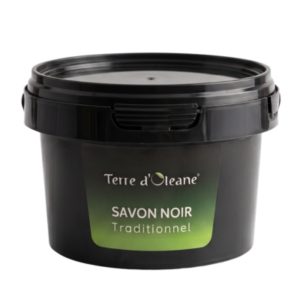 Best classicTerre d’Oleane Traditional Savon Noir
The plain olive black soap used in hammams.
Shop now

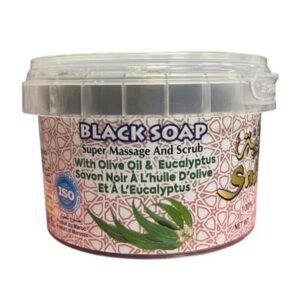
Prefer a scented soap? Try the rose black soap, and see our shipping policy for delivery times.
Kessa Glove FAQs
What is a kessa glove made of?
Most modern gloves are made of crinkled viscose, a fiber made from plant cellulose. The tight, textured weave grips damp skin and lifts dead cells. Older traditional gloves were sometimes made from goat hair or other rough natural fibers.
How often should I use a kessa glove?
Many hammam regulars scrub once a week, which is the upper limit for most people. Dry or sensitive skin usually does better every two to four weeks. Always leave time for the skin to recover between sessions.
Do I need black soap to use a kessa glove?
No, but it helps a lot. Black soap softens and cleans the skin so the glove glides and lifts dead skin with less pressure. Without it, soak in warm water for at least 10 to 15 minutes before scrubbing.
What are the gray rolls that come off when scrubbing?
They are mostly loosened dead skin cells from the outer layer of the skin, mixed with a little soap residue. You will see more of them when the skin is well softened. Stop when the skin looks pink and smooth.
Can I use a kessa glove on my face?
It is best not to. Facial skin is thinner and more delicate than body skin. Use a soft washcloth or a gentle cleanser on the face instead.
Is a kessa glove safe for sensitive or darker skin?
Use it gently and less often, and patch test first. Dermatologists warn that harsh mechanical exfoliation can irritate sensitive skin and can worsen dark spots on darker skin tones. If you have eczema, acne or another skin condition, ask a dermatologist first.
How do I clean a kessa glove?
Rinse it in hot water and a little soap after every use, squeeze out the water and hang it to air-dry outside the shower. Wash it more thoroughly every week or two and replace it when the texture wears smooth.
Further reading: Hammam (Wikipedia) · AAD: How to safely exfoliate at home
Bring the Hammam Home This Week
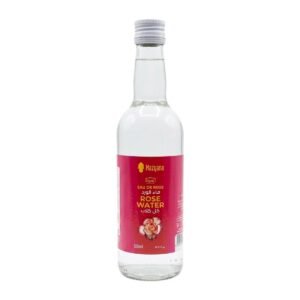
Authentic Moroccan black soap, ghassoul, argan oil and rose water for your kessa glove ritual, delivered anywhere in the USA.
Shop Black Soap Shop All Products